4.1
11,889 verified reviews
About
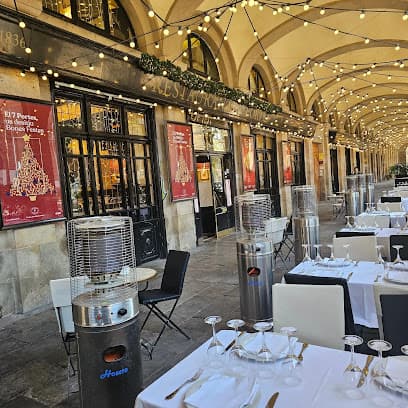
Walking into 7 Portes is like stepping into a sepia-toned fever dream of a Barcelona that shouldn't exist anymore. It’s been sitting on the edge of the port since 1836, housed in the Porxos d'en Xifré, a building that looks like it was plucked straight from a Parisian boulevard and dropped into the Mediterranean humidity. This isn't just a restaurant; it’s a living, breathing museum of appetite, a place where the floor tiles are worn smooth by nearly two centuries of footsteps, and the air is thick with the scent of saffron, roasted meat, and the ghosts of a thousand Sunday lunches.
The first thing you notice are the doors—seven of them, obviously—and the tuxedoed waiters who move with the weary, practiced grace of men who have seen empires fall, dictators rise, and still have to explain the wine list to a guy from Ohio three times a night. Don't expect a hug here. Expect efficiency. Expect a level of professional distance that borders on performance art. It’s part of the charm, whether you like it or not.
You’re here for the rice. Specifically, the Arròs Parellada. In a city where 'best paella Barcelona' is a search term that leads to a lot of overpriced yellow rice and frozen peas, 7 Portes remains the gold standard for the real deal. The Parellada is often called the 'lazy man’s rice' or 'rich man’s rice.' Legend has it a dandy named Juli Parellada didn't want to get his hands dirty peeling shrimp or picking bones out of his rabbit, so the chef did the work for him. Everything in that pan—the monkfish, the mussels, the sausage, the pork—is ready for immediate consumption. It is a dense, savory, high-protein masterpiece, the kind of meal that demands a long nap and a complete reevaluation of your life choices afterward.
But before the rice, you have to talk about the Canelons Rossini. These aren't the sad, frozen tubes you find in the supermarket. These are decadent, truffle-scented cylinders of meat and bechamel that would make a French chef weep with envy. They’ve been on the menu since the beginning, and they taste like history—rich, heavy, and unapologetically indulgent. If you’re looking for a light salad, you’ve wandered into the wrong neighborhood.
Look down at your chair before you sit. Many of them have small brass plaques. You might be sitting exactly where Pablo Picasso sat when he was a broke art student, or where Salvador Dalí probably said something nonsensical over a plate of cod fritters. Hemingway, Che Guevara, Orson Welles—they’ve all been through these seven doors. There’s a weight to that history that you can feel in the wood and the marble. Even the live piano music, which could feel cheesy in a lesser establishment, feels right here, providing a cinematic soundtrack to the clatter of silver on porcelain.
Is it touristy? Of course it is. Any place this famous, this old, and this good is going to attract the crowds. You’ll see the families from Sarrià in their Sunday best sitting next to backpackers who look like they haven't showered since Ibiza. But 7 Portes doesn't care. It’s a machine, a glorious, well-oiled machine that keeps churning out some of the best authentic Catalan food in the city regardless of who is sitting at the table. It’s one of the few places in the Ciutat Vella that manages to be a landmark without feeling like a trap. It’s honest, it’s expensive, and it’s essential. If you want to understand the soul of Barcelona’s bourgeois dining culture, you have to walk through one of those seven doors, sit down, and eat the rice.
Cuisine
Catalonian restaurant, Mediterranean restaurant
Price Range
$$$
What People Say
piano(149)cannelloni(85)palinurus elephas(36)parellada rice(31)cod fritters(31)reputation(28)picasso(25)el clásico(16)
Cuisine & Features
Catalonian restaurant
Mediterranean restaurant
Spanish restaurant
Opening Hours
- Monday1 PM to 12 AM
- Tuesday1 PM to 12 AM
- Wednesday1 PM to 12 AM
- Thursday1 PM to 12 AM
- Friday1 PM to 12 AM
- Saturday1 PM to 12 AM
- Sunday1 PM to 12 AM
Dietary Options
Gluten-free friendly (rice dishes)Vegetarian options availableSeafood-heavy
Location
Pg. d'Isabel II, 14
Ciutat Vella, Barcelona
Nearby
RESTAURANT
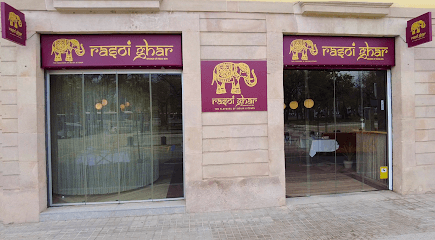
Rasoi Ghar Restaurant indian
€€50 m · Ciutat Vella
Forget the neon-lit curry traps; Rasoi Ghar is a spice-scented sanctuary in Ciutat Vella where the dal makhani simmers with a patience that borders on the religious.
4.7(1K)
Indian restaurant
RESTAURANT
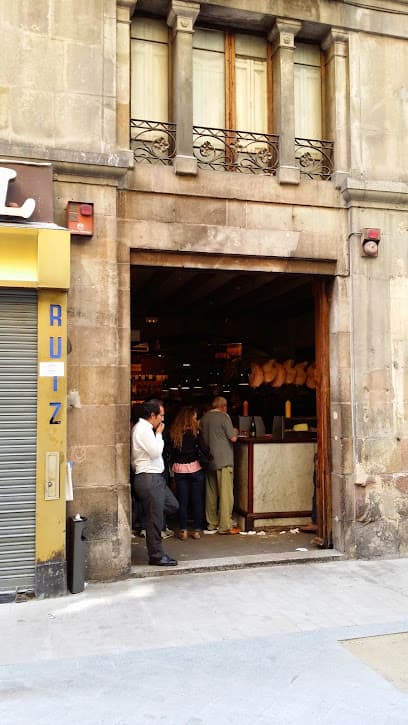
Can Paixano
€€50 m · Ciutat Vella
A sweaty, glorious temple of cheap cava and sizzling botifarra where personal space goes to die and the pink bubbles flow like water in a crowded Barceloneta back alley.
4.6(8K)
Tapas barSpanish restaurant
HOTEL
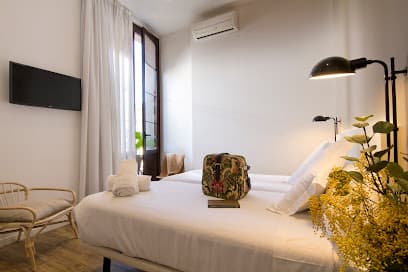
Som Nit Born
€50 m · Ciutat Vella
A minimalist refuge tucked inside a legendary 19th-century portside block, where Picasso once lived and the smell of salt air mixes with the ghosts of old Barcelona.
4.2(175)
HOTEL
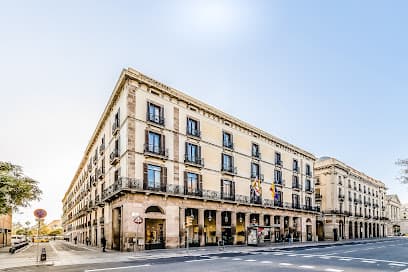
Hotel del Mar
€50 m · Ciutat Vella
A 19th-century stone shell housing a no-nonsense hotel where the sea breeze hits the terrace and the chaos of El Born is just a few staggered steps away.
4.2(1K)
ATTRACTION
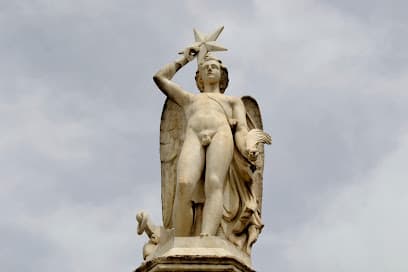
Font del Geni Català
50 m · Ciutat Vella
A marble middle finger to thirst, standing where the city’s power once lived. It’s a 19th-century tribute to the man who brought water to a parched Barcelona.
4.5(64)
ATTRACTION
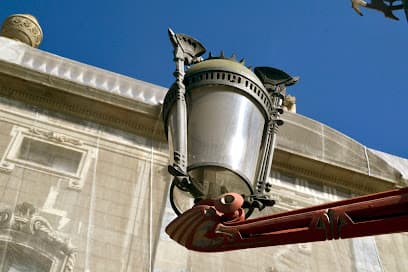
Pla de Palau Lampposts Antoni Gaudí
100 m · Ciutat Vella
The first spark of a madman's genius, these iron-and-stone sentinels stand in a gritty square, ignored by the crowds rushing toward the beach. This is Gaudí before the fame.
4.4(70)
Frequently Asked Questions
Is 7 Portes worth visiting?
Yes, absolutely. While it attracts many tourists, it remains a legitimate historical landmark with high-quality traditional Catalan cuisine that locals still frequent for special occasions.
What is the signature dish at 7 Portes?
The Arròs Parellada (Rich Man's Rice) is the most famous dish, featuring peeled seafood and boneless meat. The Canelons Rossini are also highly recommended.
Do I need a reservation for 7 Portes?
Yes, reservations are highly recommended, especially for dinner and weekend lunches. You can book directly through their official website.
Is there a dress code at 7 Portes?
There is no strict dress code, but the atmosphere is upscale and traditional. Smart casual is the safest bet; you'll see everything from suits to casual wear.
Reviews
0 reviews for 7 Portes
No reviews yet. Be the first to share your experience!