4.6
656 verified reviews
About
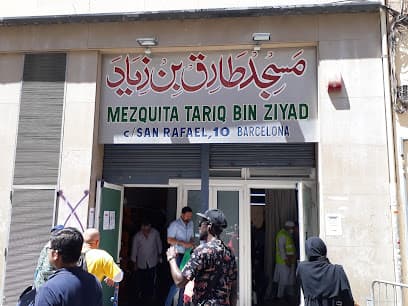
El Raval is the part of Barcelona the tourism board tries to polish but can't quite scrub clean. It’s a neighborhood of narrow, claustrophobic alleys that smell of fried dough, cheap diesel, and old stone. It’s where the city’s real work gets done, away from the glittering boutiques of Passeig de Gràcia. And right in the thick of it, on Carrer de Sant Rafael, sits the Tariq Mosque—or Mezquita Tariq Bin Ziyad. If you’re looking for the soaring minarets of Istanbul or the kaleidoscopic tilework of Isfahan, you’re in the wrong place. This is an urban mosque, a storefront of the soul, and it is one of the most honest things to do in Barcelona.
Walking through the door is like hitting a mute button on the chaos of the Raval. Outside, there’s the clatter of skateboards and the shouting of vendors; inside, there is the heavy, expectant silence of a space dedicated to something larger than the daily grind. You take your shoes off, and the transition is immediate. The floor is covered in patterned rugs that have felt the weight of thousands of foreheads. This isn't a museum. It’s a functional, vital community hub for the men who drive the city’s taxis, cook its late-night kebabs, and keep the gears of Ciutat Vella turning.
The mosque is named after Tariq bin Ziyad, the commander who crossed the straits in 711, and there’s a certain poetic weight to that here. In a city that often struggles with its own complex relationship with its Moorish past, this mosque in Ciutat Vella represents the living present. During Jummah, the Friday prayer, the place is packed to the gills. The crowd is a beautiful, dizzying cross-section of the Islamic world: Bengali, Moroccan, Pakistani, Senegalese. They stand shoulder to shoulder, a human tapestry that tells the story of modern migration better than any sociology textbook ever could.
Is it worth visiting? If you’re the kind of traveler who needs a gift shop and an audio guide, probably not. But if you want to understand the heartbeat of the Raval, then yes. It’s a reminder that Barcelona isn't just a Gaudí-themed playground; it’s a port city, a place of refuge, and a crossroads of cultures. The air inside is still, occasionally carrying the faint scent of attar or the dampness of the wudu area. It’s a place of quiet dignity in a neighborhood that is often denied it.
When you leave and step back out onto the street, the noise of the Raval hits you like a physical blow. The contrast is the point. The mosque provides the equilibrium. It’s not about the architecture; it’s about the people who fill it. It’s about the guy who closes his shop for twenty minutes to find a moment of peace. In a world that feels increasingly fractured, there is something deeply moving about watching a room full of strangers find a common rhythm. It’s raw, it’s real, and it’s the kind of authentic Barcelona experience that you won't find on a hop-on-hop-off bus tour. Just remember: this is a house of worship first. Be quiet, dress modestly, and show the respect that a place this important deserves.
Type
Mosque, Tourist attraction
What People Say
pray(43)jummah(23)muslim(15)mashallah(13)space(10)area(7)peace(5)imam(5)
Features
Mosque
Tourist attraction
Categories
Religious SiteCultural CenterCommunity Hub
Accessibility
- Ground floor access
- Modest dress required
Location
Carrer de Sant Rafael, 10
Ciutat Vella, Barcelona
Nearby
ATTRACTION
Callejón El Raval
150 m · Ciutat Vella
The Raval doesn't want your approval. It’s a labyrinth of grit, street art, and the unvarnished soul of Barcelona, where the smell of hashish and frying garlic tells the real story.
0.0(0)
Tourist attraction
ATTRACTION
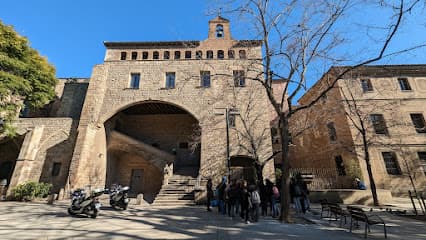
Plaça del Canonge Colom
150 m · Ciutat Vella
A gritty, stone-paved refuge tucked behind the Boqueria where the Raval’s raw energy meets Gothic shadows and the lingering scent of market refuse and old Barcelona.
4.0(10)
Park
RESTAURANT
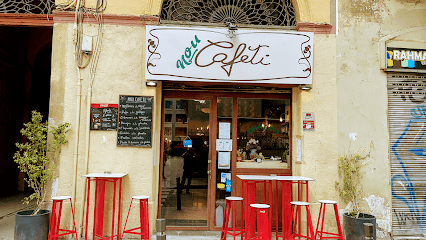
Restaurant El Nou Cafetí
€€50 m · Ciutat Vella
A defiant sanctuary in the Raval where the paella is real, the sangria is dangerous, and the tourist traps of La Rambla feel like a bad dream from another lifetime.
4.8(914)
Restaurant
RESTAURANT
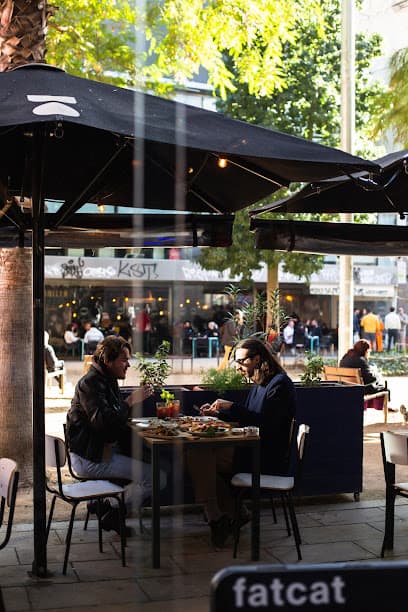
Fat Cat
€€50 m · Ciutat Vella
A Raval standout where the tortilla is unapologetically runny, the pastrami is house-smoked, and the vibe is as honest and uncompromising as the neighborhood's grit.
4.8(382)
RestaurantBar
HOTEL
Barceló Raval
€€50 m · Ciutat Vella
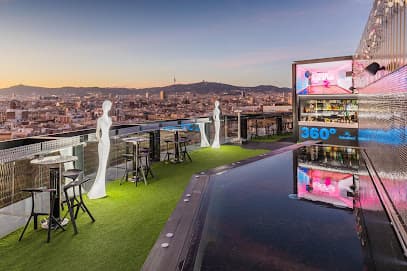
A neon-soaked, cylindrical monolith rising out of the Raval's grit-stained energy, offering the best 360-degree view of the city for the price of a stiff gin and tonic.
4.3(5K)
Hotel
HOTEL
Leonardo Hotel Barcelona Les Rambles
€100 m · Ciutat Vella
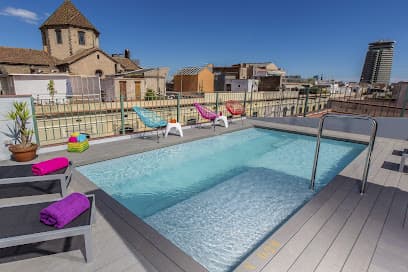
A sleek, modern sanctuary tucked into the gritty, beautiful chaos of El Raval. Escape the Rambla crowds for a rooftop dip and a view of the city's sun-drenched, jagged skyline.
4.2(1K)
Hotel
Frequently Asked Questions
Is Tariq Mosque worth visiting?
Yes, if you want an authentic look at the multicultural heart of El Raval. It is a functional community space rather than an architectural monument, offering deep cultural insight.
What should I wear to visit the mosque?
Modest clothing is required. Men and women should ensure their shoulders and knees are covered; women may be asked to cover their hair if entering the prayer hall.
Can non-Muslims enter Tariq Mosque?
Non-Muslims are generally welcome to observe, but it is best to visit outside of prayer times to avoid disturbing worshippers. Always ask for permission at the entrance.
How do I get to Tariq Mosque?
It is located at Carrer de Sant Rafael, 10, in the heart of El Raval. It's a 5-minute walk from the Liceu Metro station (L3) or the Rambla del Raval.
Reviews
0 reviews for Tariq Mosque
No reviews yet. Be the first to share your experience!