4.0
10 verified reviews
About
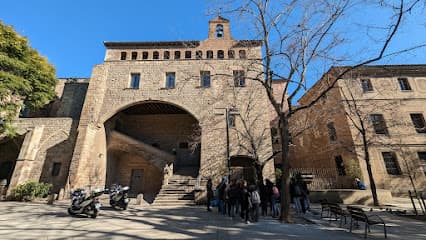
The Mercat de la Boqueria is a beautiful, chaotic lie. It’s a neon-lit cathedral of ham and fruit juice that grinds through tourists like a woodchipper. But if you have the sense to push through the crowds, past the stalls of overpriced dragon fruit and deep-fried everything, and exit out the back toward the west, the world changes. The noise drops twenty decibels, the air cools, and you find yourself in Plaça del Canonge Colom. This isn't a park in the way an American suburbanite thinks of one—there are no manicured lawns or 'keep off the grass' signs. This is a hard-edged, stone-paved slab of the Raval that’s been taking a beating for centuries and looks all the better for it.
Named after Jaume Colom, a 14th-century canon of the cathedral, the square feels like the city’s backstage. To your back is the industrial rear of the market, where delivery trucks hiss and crates of seafood are stacked high. To your front is the staggering, somber beauty of the Antic Hospital de la Santa Creu. It’s a place of heavy Gothic arches and weathered stone that served as the city’s main hospital for six hundred years. This is where Antoni Gaudí, the man who built the city’s dreams, came to die in 1926 after being hit by a tram, mistaken for a beggar because he looked as ragged as the stones around you. There’s a weight to the air here that you won't find on the glittering beachfront of Barceloneta.
If you’re looking for 'best things to do in El Raval' that don't involve a guided tour or a selfie stick, sitting here for twenty minutes is a good start. The square is a crossroads for the neighborhood’s real inhabitants. You’ll see skaters practicing kickflips against 15th-century walls, old men in flat caps discussing the state of the world on stone benches, and the occasional weary chef from a nearby tapas bar taking a nicotine break. It’s unvarnished. It’s stained by city soot and the occasional splash of spilled wine. It’s exactly what Barcelona used to be before the cruise ships started docking in earnest.
The square sits on the Carrer de les Floristes de la Rambla, a street name that evokes a more romantic era of flower sellers, but the reality today is more visceral. It’s a transition zone. You’re standing in the heart of Ciutat Vella, but you’re looking into the soul of the Raval—a neighborhood that has always been the city’s rebellious, slightly dangerous, and fiercely independent gut. The architecture here is a masterclass in contrast: the soaring, elegant lines of the old hospital clashing with the functional, metallic bulk of the modern market. It’s a reminder that Barcelona isn't just a museum; it’s a living, breathing organism that eats, sleeps, and occasionally smells a bit like yesterday’s fish.
Is Plaça del Canonge Colom worth visiting? If you want a postcard-perfect garden with a fountain, probably not. But if you want to see the scars of the city, to feel the cool shade of ancient stone, and to breathe for a second away from the 'gastronomic adventures' being sold on the main drag, then yes. It’s a place to reset your internal compass. Grab a coffee from a hole-in-the-wall nearby, find a spot on a bench, and watch the real Barcelona go by. It’s not always pretty, but it’s always honest, and in a city increasingly designed for Instagram, honesty is the rarest commodity of all.
Type
Park
Duration
15-30 minutes
Best Time
Late afternoon when the light hits the Gothic stone and the market crowds begin to thin.
Features
Park
Categories
ArchitectureHistoryUrban SquareGothic
Ticket Prices
Free Admission
No tickets required
Opening Hours
- MondayOpen 24 hours
- TuesdayOpen 24 hours
- WednesdayOpen 24 hours
- ThursdayOpen 24 hours
- FridayOpen 24 hours
- SaturdayOpen 24 hours
- SundayOpen 24 hours
Must-See Highlights
The Gothic arches of the Antic Hospital de la Santa Creu
The back entrance of La Boqueria
The Library of Catalonia entrance nearby
Visitor Tips
Enter through the Boqueria for the full 'chaos-to-calm' experience.
Look for the small plaques and architectural details on the hospital walls.
Avoid late at night if you are uncomfortable with poorly lit urban spaces.
Good For
History buffsArchitecture loversBudget travelersSolo travelers
Why Visit
Gothic-Industrial Contrast: Where 15th-century hospital walls meet the back end of a world-famous food market.
The Gaudí Connection: Located steps away from where the legendary architect spent his final days at the old hospital.
Authentic Raval Atmosphere: A genuine local crossroads free from the polished artifice of the main tourist zones.
Nearby Landmarks
- 1-minute walk from Mercat de la Boqueria
- 2-minute walk from Antic Hospital de la Santa Creu
- 4-minute walk from La Rambla
- 7-minute walk from MACBA (Museum of Contemporary Art)
Accessibility
- Flat paved surface
- Wheelchair accessible
- Public benches available
Location
Carrer de les Floristes de la Rambla, 2
Ciutat Vella, Barcelona
Nearby Hotels
Nearby Restaurants
In Ciutat Vella
ATTRACTION
Park
Ciutat Vella
A thousand years of silence tucked behind a Romanesque monastery, where the grit of El Raval dissolves into ancient stone, cool shadows, and the heavy weight of history.
0.0(0)
Park
ATTRACTION
BARSHELONA
Ciutat Vella
Forget the plastic bulls and tacky magnets. This is where Barcelona’s soul is bottled into art, a small sanctuary of local design hidden in the shadows of the Gothic Quarter.
0.0(0)
Tourist attraction
ATTRACTION
Minajoe art
Ciutat Vella
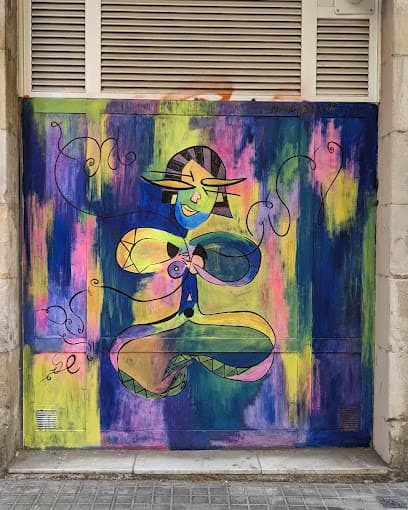
A raw, paint-splattered antidote to the sterile museum circuit. This is where pop-art meets the grit of the street, served straight from the artist’s hands in the heart of old Barcelona.
0.0(0)
Tourist attraction
Frequently Asked Questions
Is Plaça del Canonge Colom worth visiting?
Yes, if you appreciate Gothic architecture and want a quiet break from the crowds of La Boqueria. It offers a raw, authentic look at the Raval neighborhood's history and daily life.
How do I get to Plaça del Canonge Colom?
The easiest way is to walk through the back exit of the Boqueria Market or enter from Carrer de l'Hospital. It is a 5-minute walk from the Liceu Metro station (L3).
What is near Plaça del Canonge Colom?
It is immediately adjacent to the rear of the Boqueria Market and the historic Antic Hospital de la Santa Creu, which now houses the Library of Catalonia.
Is the square safe for tourists?
It is generally safe during the day, though like much of the Raval, you should stay aware of your surroundings and keep an eye on your belongings. It can feel a bit desolate late at night.
Reviews
0 reviews for Plaça del Canonge Colom
No reviews yet. Be the first to share your experience!