ATTRACTION
Recinte Modernista de Sant Pau
Municipality of Horta-Guinardó, Barcelona
4.6 · 56,127 reviews
4.6
56,127 verified reviews
About
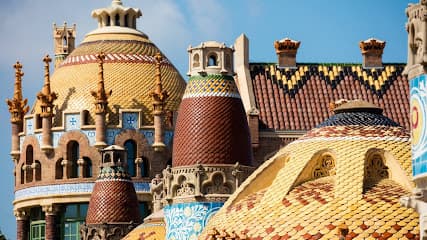
Most people stand in the shadow of the Sagrada Família, necks craned, dodging selfie sticks, thinking they’ve seen the peak of Catalan soul. They’re wrong. Walk ten minutes up the Avinguda de Gaudí, away from the chaos, and you’ll find the Recinte Modernista de Sant Pau. It’s the world’s largest Art Nouveau complex, a sprawling, tiled fever dream that served as a fully functioning hospital until 2009. Think about that. While the rest of the world was treating the sick in sterile, white-washed boxes that smelled of bleach and despair, Barcelona was putting them in palaces.\n\nLluís Domènech i Montaner, the architect who doesn’t get nearly enough credit because Gaudí sucks up all the oxygen in this town, had a radical idea: beauty heals. He built a city within a city—27 pavilions connected by a labyrinth of underground tunnels. He covered the ceilings in pink ceramic roses, the floors in intricate mosaics, and the windows in stained glass that turns the afternoon sun into a kaleidoscope. He believed that a patient looking at a garden or a vaulted ceiling might actually want to keep living. It’s a staggering, visceral reminder that architecture used to have a conscience.\n\nWhen you walk through the gates of the Administration Pavilion, the scale hits you like a physical weight. It’s not just 'pretty.' It’s defiant. The red brick, the sculptures, the towering clock—it feels more like a cathedral to humanity than a place for surgery. You can wander through the Sant Salvador Pavilion, where the history of the site is laid out, but the real magic is in the spaces between. The gardens are filled with medicinal plants and orange trees, a quiet lungs-of-the-city vibe that makes the roar of Barcelona traffic feel a thousand miles away.\n\nThen there are the tunnels. Cold, tiled, and utilitarian, these subterranean arteries were how they moved the dead, the dying, and the laundry without disturbing the peace above. It’s the dark, functional underbelly of all that Modernist splendor. Walking through them gives you a chill that no air conditioner can replicate. It’s the honest part of the story—the reminder that for all the mosaics and gold leaf, this was a place of high-stakes human drama.\n\nIs it worth the ticket price? Absolutely. If you’re tired of being herded like cattle through the more famous landmarks, Sant Pau is your sanctuary. It’s one of the best things to do near Sagrada Família without actually having to deal with the Sagrada Família crowds. It’s a place for people who prefer their history with a bit of grit and a lot of soul. You don’t need to be an architecture geek to feel the power of this place. You just need to have a pulse.\n\nGo late in the afternoon when the light hits the brickwork just right. Wear comfortable shoes because you’re going to want to explore every corner of those tunnels. And when you’re done, grab a vermouth at one of the no-nonsense bars in the surrounding Horta-Guinardó neighborhood. You’ll be standing in a UNESCO World Heritage site that actually feels like it belongs to the city, not just the tourists. It’s the real Barcelona—beautiful, complicated, and slightly haunted.
Type
Historical place
Duration
1.5-2 hours
Best Time
Late afternoon for the best light on the mosaics and fewer crowds.
Guided Tours
Available
Audio Guide
Available
What People Say
sagrada familia(666)pavilions(352)gaudi(326)catalan modernism(309)lluís domènech i montaner(261)art nouveau architecture(199)nurses(169)christmas lights(147)
Features
Historical place
Categories
ArchitectureUNESCO World HeritageModernismHistory
Ticket Prices
adult€16
childFree (under 12)
senior€11.20
Opening Hours
- Monday9:30 AM to 5 PM
- Tuesday9:30 AM to 5 PM
- Wednesday9:30 AM to 5 PM
- Thursday9:30 AM to 5 PM
- Friday9:30 AM to 5 PM
- Saturday9:30 AM to 5 PM
- Sunday9:30 AM to 5 PM
Must-See Highlights
The Administration Pavilion's grand staircase
The underground tunnels connecting the pavilions
The Sant Salvador Pavilion exhibition
The view of Sagrada Família from the main entrance
Visitor Tips
Walk up Avinguda de Gaudí from the Sagrada Família for the best approach.
Don't skip the tunnels; they provide a fascinating contrast to the ornate pavilions above.
Check the website for 'Free Days,' though they are rare and very crowded.
Good For
Architecture enthusiastsHistory buffsPhotographersFamiliesSlow travelers
Why Visit
World's largest Art Nouveau complex and a UNESCO World Heritage site
A unique 'city within a city' design featuring 27 stunning pavilions and underground tunnels
The masterpiece of Lluís Domènech i Montaner, the architect who defined Catalan Modernism alongside Gaudí
Nearby Landmarks
- 10-minute walk from Sagrada Família
- 12-minute walk from Avinguda de Gaudí
- 15-minute walk from Hospital de la Santa Creu i Sant Pau (New Hospital)
Accessibility
- Wheelchair accessible
- Elevators available in main pavilions
- Accessible restrooms
Location
Carrer de Sant Antoni Maria Claret, 167
Municipality of Horta-Guinardó, Barcelona
Nearby Hotels
Nearby Restaurants
In Municipality of Horta-Guinardó
ATTRACTION
メリーゴーランド
Municipality of Horta-Guinardó
A spinning, neon-lit relic of neighborhood childhood, tucked away in the dusty, unvarnished heart of Horta-Guinardó, far from the Gaudi-crazed tourist herds.
0.0(0)
Park
ATTRACTION
SunsetBoatBarcelona
Municipality of Horta-Guinardó
Escape the sweltering, tourist-choked streets for the open Mediterranean, where the city skyline bleeds into the dusk and the Cava actually tastes like freedom.
0.0(0)
Tourist attraction

ATTRACTION
Labyrinth
Municipality of Horta-Guinardó
Barcelona’s oldest garden is a neoclassical middle finger to the city’s chaos, featuring a cypress maze where you can actually lose yourself—and the crowds—for a few euros.
0.0(0)
Tourist attraction
Frequently Asked Questions
Is Recinte Modernista de Sant Pau worth visiting?
Yes, it is arguably the most underrated site in Barcelona. It offers world-class Art Nouveau architecture with a fraction of the crowds found at Gaudí's buildings.
How long do you need at Sant Pau Recinte Modernista?
Allocate between 1.5 to 2 hours to explore the main pavilions, the gardens, and the extensive underground tunnel network.
What is the best time to visit Sant Pau?
Late afternoon is ideal; the low sun illuminates the red brick and mosaics beautifully, and the site is generally quieter before closing.
Do I need to book tickets for Sant Pau in advance?
While not as critical as the Sagrada Família, booking online is recommended to skip the ticket office queue and ensure your preferred time slot.
Reviews
0 reviews for Recinte Modernista de Sant Pau
No reviews yet. Be the first to share your experience!