About
Just a few blocks uphill, the world is losing its mind. Thousands of tourists are shuffling through Park Güell, sweating through their linen shirts, desperately trying to get a selfie with a ceramic lizard. But down here, on the corner of Carrer de Praga, the air smells like damp sand, strong espresso from a plastic cup, and the faint, metallic scent of a machine that’s seen better days. This is the neighborhood carousel, a spinning circle of painted wood and flashing lights that serves as the low-frequency heartbeat of the Jardins del Baix Guinardó.
You won’t find this in the glossy brochures. There are no 'skip-the-line' tickets here. It’s a humble, mechanical contraption that belongs to the kids of Horta-Guinardó—the ones whose parents work in the kitchens and laundries of the hotels you’re staying in. To the casual observer, it’s just a ride. To anyone paying attention, it’s a sanctuary of normalcy in a city that often feels like it’s being sold off to the highest bidder, one souvenir shop at a time.
The park itself, the Parc de les Aigües, is built on the bones of the old Barcelona water company. It’s a place of concrete and gravel, shaded by trees that have seen the neighborhood transition from a rugged outpost to a dense, working-class stronghold. The carousel sits there like a colorful anomaly against the backdrop of grey apartment blocks. It’s loud, it’s a bit garish, and the music is usually a tinny loop of something that would drive a sane man to drink, but watching the local grandfathers—the 'abuelos' in their flat caps—watching their grandkids spin around is as real as Barcelona gets. These men have seen the city change, seen the rents skyrocket and the old shops close, yet they still find themselves here, anchored by the simple gravity of a rotating platform.
There is a specific kind of beauty in the unvarnished. The paint on the horses might be chipped, and the floorboards might creak with a rhythmic groan that suggests it’s tired of the gravity, but it works. It’s honest. You come here not to 'see' something, but to feel the rhythm of a barrio that doesn't care if you're there or not. It’s the perfect antidote to the curated, UNESCO-sanctioned perfection of the monuments nearby.
If you’re looking for a 'gastronomic adventure,' keep walking. But if you want to sit on a weathered bench, light a cigarette (if that’s your vice), and watch the sun go down over a part of the city that still belongs to its people, this is your spot. It’s a reminder that despite the encroaching tide of globalism, the simple joy of spinning in a circle for two minutes is still a universal currency. It’s not grand, it’s not historic in the way the guidebooks demand, and it sure as hell isn't a 'must-see.' And that, my friends, is exactly why it’s worth your time. It’s a small, flickering light of genuine local life in a city that’s increasingly becoming a theme park version of itself.
Type
Park
Features
Park
Categories
Family FriendlyLocal LifePlayground
Accessibility
- Wheelchair accessible park paths
- Flat terrain around the carousel area
Location
Carrer de Praga, 2
Municipality of Horta-Guinardó, Barcelona
Nearby
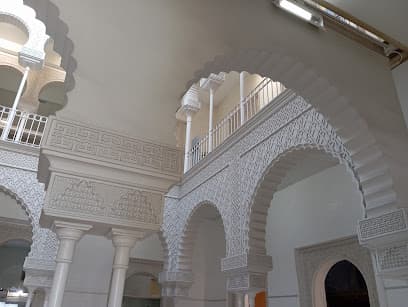
ATTRACTION
Casa de les Altures
200 m · Municipality of Horta-Guinardó
A Moorish fever dream parked on a busy Guinardó road, this 19th-century water tycoon’s palace is a Neo-Mudéjar middle finger to the surrounding grey apartment blocks.
4.2(57)
Municipal administration officeTourist attraction
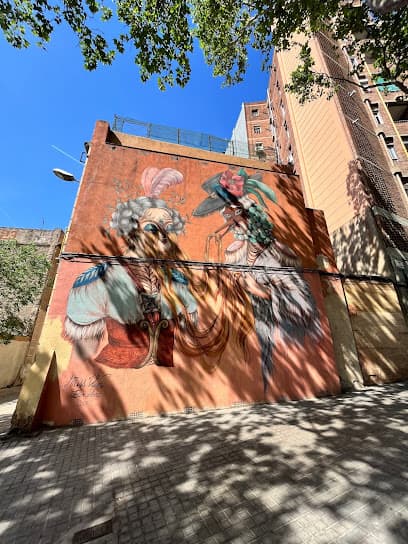
ATTRACTION
Graffiti de Miss Van
200 m · Municipality of Horta-Guinardó
A haunting, baroque collection of street art by the legendary Miss Van. These masked, sensual 'Poupes' turn a grit-stained Horta-Guinardó wall into a high-stakes testament to the beauty of the temporary.
4.9(8)
Tourist attraction
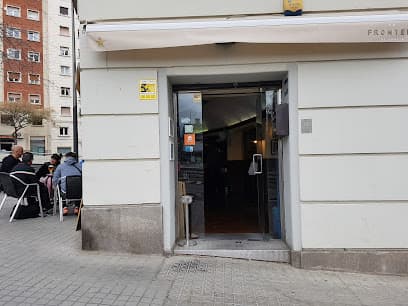
RESTAURANT
La Frontera de Gràcia
€€150 m · Municipality of Horta-Guinardó
A gritty, honest refuge on the border of Gràcia where the beer is ice-cold, the bravas are spicy, and the tourist circus of Park Güell feels a world away.
4.1(406)
Bar & grill
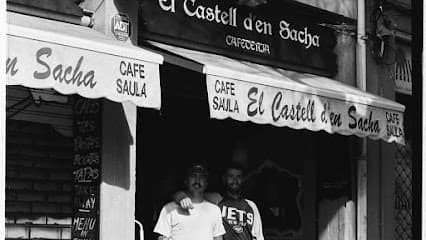
RESTAURANT
Restaurant El Castell D'en Sacha
€€250 m · Municipality of Horta-Guinardó
A defiant neighborhood stronghold near Park Güell where the grill stays hot, the menu del día is a steal, and the homemade desserts will make you weep for your grandmother.
4.7(526)
RestaurantCafeteria
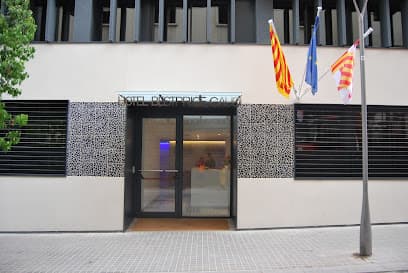
HOTEL
Hotel BESTPRICE Gràcia
€400 m · Gràcia
It’s not a palace and it doesn’t pretend to be. Just a clean, sharp place to crash in Gràcia after a day of dodging selfie sticks at Park Güell without emptying your wallet.
4.5(749)
Hotel
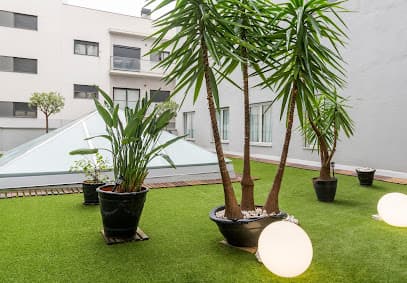
HOTEL
Hotel ILUNION Bel Art
€450 m · Municipality of Horta-Guinardó
A modern, socially-conscious hotel standing in the shadow of the Sagrada Família, where accessibility isn't just a feature—it's the entire soul of the operation.
4.2(1K)
HotelEvent venue
Frequently Asked Questions
Is the Horta-Guinardó carousel worth visiting?
Only if you want to escape the tourist crowds and see a real neighborhood park. It's a simple, local attraction for families, not a major landmark.
How do I get to Carrer de Praga 2?
The easiest way is taking the L4 Metro to Alfons X. From there, it's a short 2-minute walk to the entrance of the Parc de les Aigües.
What else is near Parc de les Aigües?
You are within a 15-minute uphill walk of Park Güell and a 10-minute walk from the stunning Hospital de Sant Pau Recinte Modernista.
Reviews
0 reviews for メリーゴーランド
No reviews yet. Be the first to share your experience!