4.0
74 verified reviews
About
If you’re looking for the Barcelona of the postcards—the one with the overpriced sangria, the frantic flower stalls, and the guy trying to sell you a plastic bird that whistles—you’ve come to the wrong place. The Rambla del Carmel doesn’t care about your vacation photos. It doesn’t care about your bucket list. This is a steep, unvarnished concrete artery pumping life through one of the city’s most vertical and misunderstood neighborhoods. It is, in every sense, the 'Other' Barcelona.
To understand this place, you have to understand the geography of struggle. El Carmel was built on hills so steep they’ll make your calves scream, largely by immigrants who arrived in the mid-20th century with nothing but the clothes on their backs and a willingness to build their own houses out of grit and necessity. The Rambla del Carmel is the neighborhood’s living room. It’s a long, tiered pedestrian boulevard that cuts through the heart of the district, serving as a social anchor for a community that has spent decades fighting for every inch of public space they have.
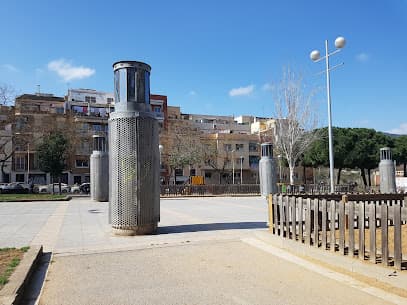
Walking here, you won’t find Gaudí’s whimsical curves. You’ll find the 'soil' and 'shadow' mentioned by locals—the literal earth of the planters and the deep shade of the trees where old men sit on the 'banks' (the benches) for hours, dissecting the latest Barça match or the failures of the local government. There is a raw, honest energy here. It’s the sound of kids kicking a ball against a stone wall, the hiss of an espresso machine from a bar that hasn't changed its decor since 1978, and the rhythmic clatter of the bus struggling up the incline.
One of the anchors of this stretch is the Biblioteca El Carmel-Juan Marsé. Marsé was the literary giant who immortalized these streets, writing about the 'Pijoapartes' and the dreamers who looked down at the glittering city below from these dusty heights. The library isn't just a place for books; it’s a monument to the neighborhood’s identity. If you’re lucky enough to be here during the 'Festa Major' or a local 'fair,' the Rambla transforms. The 'party' isn't a curated event for tourists; it’s a loud, messy, beautiful explosion of neighborhood pride, with communal tables, local music, and enough smoke from the grills to cloud the sun.
Is it pretty? Not in the traditional sense. It’s gray, it’s steep, and it’s lived-in. But it’s honest. It’s a place where you can see the real machinery of Barcelona at work, away from the hermetically sealed tourist zones. You come here to see how the city actually breathes. You come here to stand at the top of the Rambla, look down toward the sea, and realize that the people living here have the best view in the city, even if they had to fight like hell to get it.
If you want to see the Barcelona that doesn't show up in the glossy magazines, take the L5 metro to the El Carmel station. Walk the Rambla del Carmel. Sit on a bench. Buy a cheap beer from a corner shop and watch the world go by. It’s not a landmark for your checklist; it’s a piece of the city's soul. It’s the kind of place that reminds you that a city is more than its monuments—it’s the people who refuse to be moved by the hills or the passage of time.
Type
Park
Duration
1-2 hours
Best Time
Late afternoon to catch the sunset at the nearby Bunkers after walking the Rambla.
What People Say
party(4)bank(3)shadow(3)fair(3)soil(2)dog(2)childhood(2)share(2)
Features
Park
Categories
Urban SpaceLocal CultureViewpointPublic Square
Ticket Prices
Free Admission
No tickets required
Must-See Highlights
The Juan Marsé Library
The tiered benches with local views
The neighborhood murals and street art
Local vermut bars lining the side streets
Visitor Tips
Wear comfortable shoes; the hills in this neighborhood are no joke.
Combine this with a visit to the Bunkers del Carmel for the best sunset in Barcelona.
Visit a local 'granja' for a coffee and experience the neighborhood's social heart.
Good For
Budget travelersCulture seekersPhotography enthusiastsSlow travelers
Why Visit
Genuine working-class atmosphere far from the tourist crowds
The literary heart of Juan Marsé's Barcelona novels
Dramatic hillside views and unique tiered urban design
Nearby Landmarks
- Bunkers del Carmel (15-minute uphill walk)
- Biblioteca El Carmel-Juan Marsé (Located on the Rambla)
- Park Güell (20-minute walk or short bus ride)
Accessibility
- Elevators at Metro station
- Paved pedestrian walkways
- Steep inclines may be challenging for some
Location
Rambla del Carmel, 78
Municipality of Horta-Guinardó, Barcelona
Nearby Hotels
Nearby Restaurants
In Municipality of Horta-Guinardó
ATTRACTION
メリーゴーランド
Municipality of Horta-Guinardó
A spinning, neon-lit relic of neighborhood childhood, tucked away in the dusty, unvarnished heart of Horta-Guinardó, far from the Gaudi-crazed tourist herds.
0.0(0)
Park
ATTRACTION
SunsetBoatBarcelona
Municipality of Horta-Guinardó
Escape the sweltering, tourist-choked streets for the open Mediterranean, where the city skyline bleeds into the dusk and the Cava actually tastes like freedom.
0.0(0)
Tourist attraction

ATTRACTION
Labyrinth
Municipality of Horta-Guinardó
Barcelona’s oldest garden is a neoclassical middle finger to the city’s chaos, featuring a cypress maze where you can actually lose yourself—and the crowds—for a few euros.
0.0(0)
Tourist attraction
Frequently Asked Questions
Is Rambla del Carmel worth visiting?
Yes, if you want to see the unfiltered, non-touristy side of Barcelona. It offers a raw look at local life and is close to the famous Bunkers del Carmel for great views.
How do I get to Rambla del Carmel?
Take the Metro Line 5 (Blue Line) to the El Carmel station. The Rambla is a short walk from the station exit.
What is there to do near Rambla del Carmel?
You can visit the Juan Marsé Library, hike up to the Bunkers del Carmel for a 360-degree view of the city, or explore the nearby Horta Labyrinth Park.
Is the area safe for tourists?
Yes, El Carmel is a safe, working-class residential neighborhood. Just exercise the usual city precautions and be prepared for very steep hills.
Reviews
0 reviews for Rambla del Carmel
No reviews yet. Be the first to share your experience!