ATTRACTION
Pont de la Porta d'Europa
Barcelona, Barcelona
4.5 · 607 reviews
4.5
607 verified reviews
About
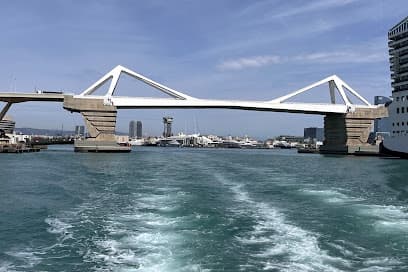
Forget the Gaudí curves and the Gothic gargoyles for a second. If you want to see how Barcelona actually breathes—how it feeds itself and vomits out thousands of tourists a day—you go to the Port. Specifically, you go to the Pont de la Porta d'Europa. This isn't a place for romantic strolls or quiet contemplation. It’s a massive, salt-crusted piece of heavy machinery, a twin-leaf bascule bridge that looks like the jaw of some prehistoric metal shark waiting to swallow a cruise ship whole.\n\nCompleted in 2000 by architects Juan José Arenas and Marcos Pantaleón, this thing is a marvel of engineering that most tourists only see from the window of a moving bus. But standing on it? That’s a different story. You feel the vibration of the traffic, the relentless wind whipping off the Mediterranean, and the faint, metallic scent of the working harbor. It spans the entrance to the inner port, connecting the Moll de Ponent to the Moll de la Costa, and when those two 70-meter leaves start to rise, it’s a slow, silent display of raw power. It’s one of the largest bridges of its kind in the world, and it doesn't care if you think it's pretty.\n\nThe 'Gateway to Europe' isn't just a fancy name; it’s a literal description. This is where the giant floating apartment blocks we call cruise ships squeeze into the city. Standing on the pedestrian path as one of these behemoths glides past—so close you could practically toss a coin onto a passenger’s balcony—is a surreal experience. It puts the scale of global tourism into a perspective that no postcard ever could. To your left, the city climbs up the side of Montjuïc; to your right, the endless blue of the sea; and beneath you, the dark, churning water of a port that has been active since the Romans were wearing sandals.\n\nIs it a 'must-see'? Probably not for the person who wants their Barcelona experience wrapped in lace and dipped in chocolate. It’s industrial. It’s exposed. There is zero shade, and if you go in the middle of a July afternoon, you will bake like a sardine on a grill. But for the engineering nerds, the photographers looking for lines and steel, or anyone who finds beauty in the functional and the massive, it’s essential. It represents the modern, muscular side of Barcelona—the side that works while the rest of the city naps during siesta.\n\nGetting here requires a bit of a trek. You walk past the World Trade Center, leaving the buskers of La Rambla far behind, and enter a world of shipping containers and customs officials. The walk across the bridge offers some of the best views of the Port of Barcelona you can find without hiring a helicopter. You see the ferry terminals, the cargo cranes standing like giant yellow giraffes in the distance, and the sleek silhouette of the W Hotel. It’s a reminder that Barcelona isn't just a museum; it’s a machine. Come here at sunset when the light hits the white steel 'V' supports and the city starts to glow. It’s honest, it’s loud, and it’s spectacular in its own indifferent way.
Type
Bridge, Tourist attraction
What People Say
cruise(27)architectural(4)vision(4)terminal(3)pedestrians(3)barn swallow(2)sailboat(2)perspective(2)
Features
Bridge
Tourist attraction
Categories
ArchitectureEngineeringMaritimePhotography
Opening Hours
- MondayOpen 24 hours
- TuesdayOpen 24 hours
- WednesdayOpen 24 hours
- ThursdayOpen 24 hours
- FridayOpen 24 hours
- SaturdayOpen 24 hours
- SundayOpen 24 hours
Accessibility
- Wheelchair accessible pedestrian paths
- Paved surfaces
- Relatively steep incline on the bridge leaves
Location
Pont de la Porta d'Europa
Barcelona, Barcelona
Nearby
ATTRACTION
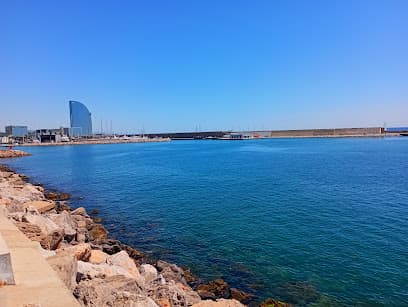
Entrada espigón del Muelle Adosado
350 m · Sants-Montjuïc
The edge of the world where diesel fumes meet the salt spray, offering a front-row seat to the massive cruise behemoths and the gritty, industrial soul of Barcelona's working port.
4.6(34)
Tourist attraction
ATTRACTION
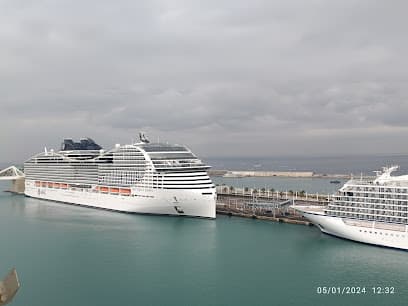
Moll de Ponent
400 m · Sants-Montjuïc
The industrial throat of Barcelona's port, where massive cruise ships and rust-streaked ferries dock. It’s a place of diesel, salt air, and the raw logistics of travel.
4.3(116)
Tourist attraction
RESTAURANT
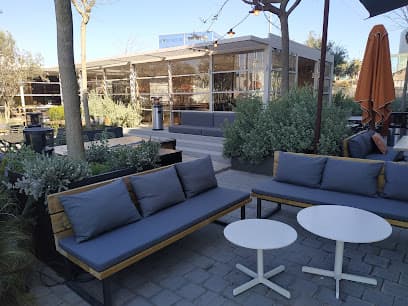
Camping Mar
€€€700 m · Ciutat Vella
A glass-walled outpost at the edge of the Mediterranean where the rice is scorched to perfection and the view of the masts makes you want to steal a boat and head for the horizon.
4.2(720)
Mediterranean restaurant
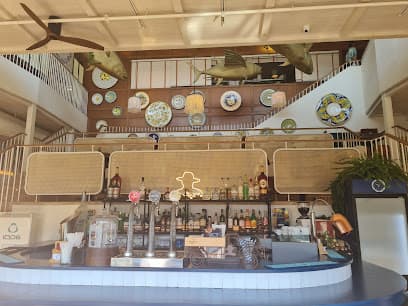
RESTAURANT
Velissima | Restaurante Italiano en Barcelona
700 m · Ciutat Vella
A high-octane collision of vintage Italian swagger and late-night revelry where the pasta comes with a side of live performance and the Mediterranean breeze hits your face at Marina Vela.
4.3(2K)
Italian restaurantMediterranean restaurant
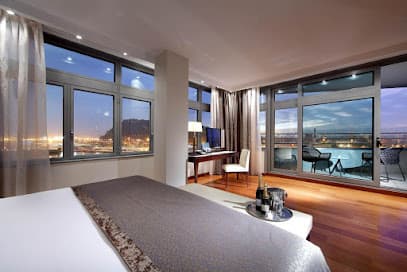
HOTEL
Eurostars Grand Marina
€€700 m · Ciutat Vella
A glass-and-steel fortress at the edge of the Mediterranean, where the city’s chaos fades into the hum of departing cruise ships and the smell of salt air.
4.2(3K)
Hotel
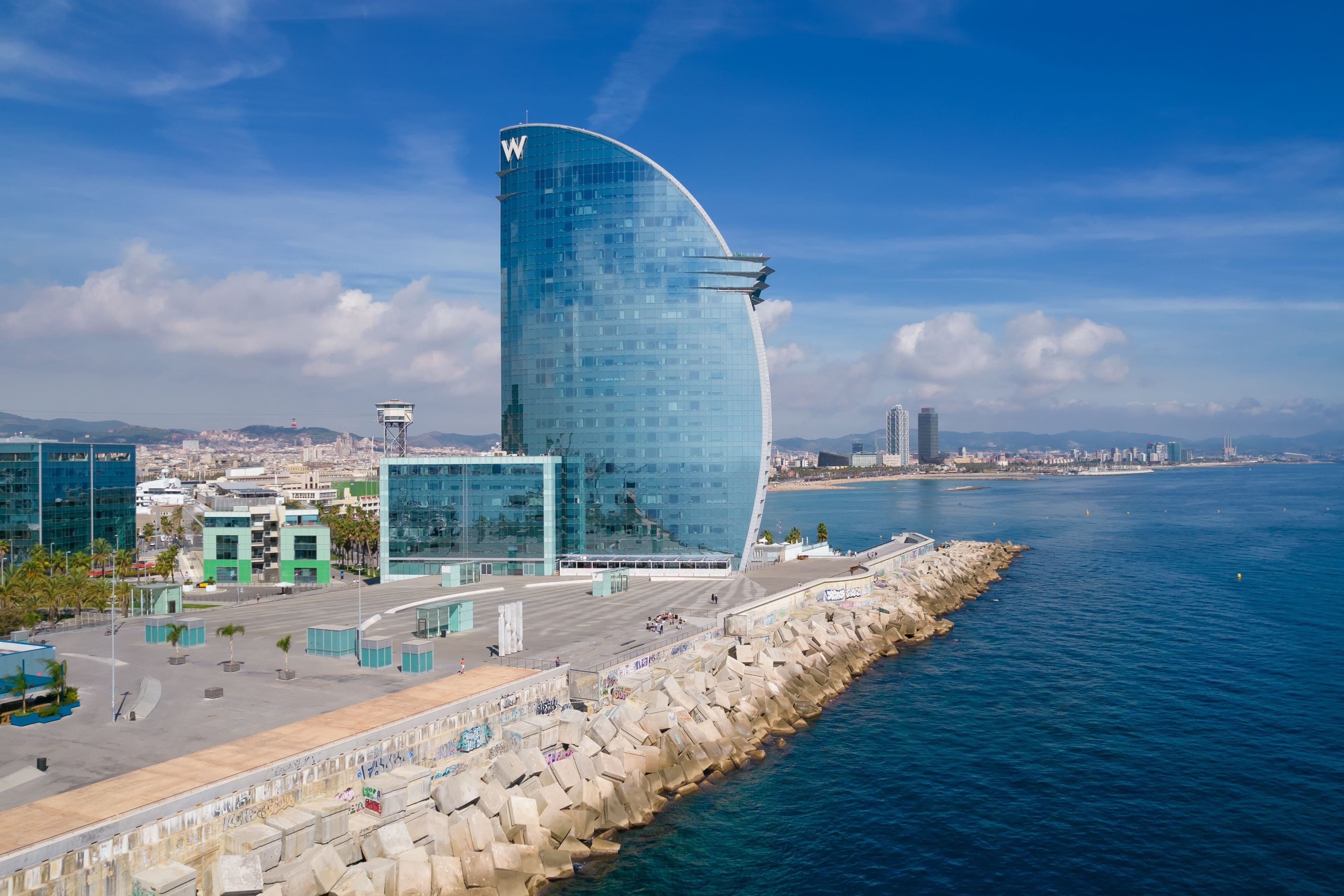
HOTEL
W Barcelona
€€€€850 m · Ciutat Vella
A giant glass sail cutting into the Mediterranean, where the cocktails are expensive, the views are obscene, and everyone looks like they just stepped off a yacht they don't actually own.
4.4(17K)
HotelMeeting planning service
Frequently Asked Questions
Is it worth the walk to the Pont de la Porta d'Europa?
Yes, if you appreciate modern engineering or want a unique, industrial perspective of the city and port. It offers some of the best views of cruise ships and the Barcelona skyline away from the typical tourist crowds.
Can you walk across the Pont de la Porta d'Europa?
Yes, the bridge has dedicated pedestrian walkways on both sides, allowing you to walk from the World Trade Center area toward the cruise terminals.
When does the bridge open for ships?
There is no fixed public schedule as it opens based on ship traffic. However, early mornings and late afternoons are the most frequent times for cruise ship arrivals and departures.
How do I get to the bridge?
The easiest way is to walk from the Drassanes Metro station (L3) toward the World Trade Center, then continue along the Moll de Barcelona. The V11 bus also stops nearby.
Reviews
0 reviews for Pont de la Porta d'Europa
No reviews yet. Be the first to share your experience!