4.3
4,974 verified reviews
About
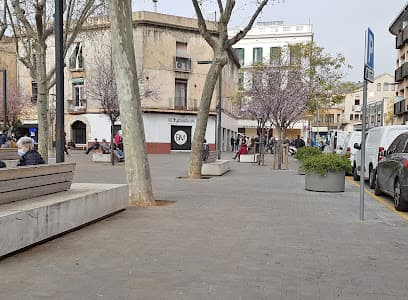
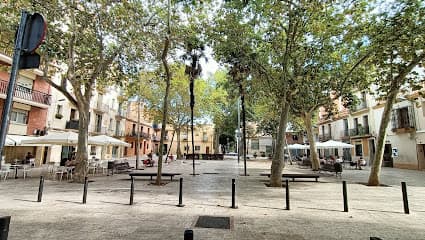
Horta isn't just another neighborhood; it’s the ghost of a village that refused to die when the city swallowed it whole in 1904. If you want the polished, Disney-fied version of Catalonia, stay in the Gothic Quarter. But if you want to see where the real work of living happens, get on the L5 Metro and ride it until the air feels a little thinner and the tourists disappear. You’ll emerge at Plaça d'Eivissa, the undisputed lungs of the Horta-Guinardó district. This isn't a 'must-see' landmark in the traditional sense. There are no soaring spires or overpriced museums here. Instead, there is the clatter of ceramic coffee cups, the rhythmic thud of a bread knife, and the low hum of a neighborhood that knows exactly who it is.
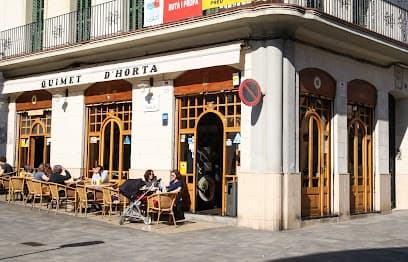
The square is anchored by Quimet d'Horta, a legendary institution that has been standing its ground since 1927. This isn't a place for foams or spheres or deconstructed anything. It’s a place for the 'entrepà'—the sandwich—elevated to an art form. They use ciabatta bread that’s been toasted on a griddle until it shatters like glass, filled with everything from cured ham to tortilla or loin of pork. Sitting on their terrace with a cold beer or a glass of house vermouth while watching the world go by is one of the few remaining honest pleasures in this city. It’s the kind of place where the waiters have seen it all and have the scars to prove it.
In the center of the square stands 'L'Eivissenca,' a bronze statue of a woman from Ibiza, a nod to the square’s name. She’s been watching over the local kids kicking footballs and the old men arguing about the state of FC Barcelona since 1965. Around her, the square functions as a communal living room. You’ve got the Gelateria Eivissa, an ice cream shop that has fueled generations of Horta’s youth, and a handful of other bars where the 'hora del vermut' is treated with the solemnity of a religious rite. The architecture is a jumble of low-rise buildings that remind you this was once a place of laundresses and small-scale farmers, far removed from the aristocratic sprawl of Eixample.
Is Plaça d'Eivissa worth visiting? That depends on what you’re looking for. If you need a selfie in front of a Gaudí masterpiece, you’re in the wrong place. But if you want to understand the 'barrio' life that defines the best things to do in Horta Barcelona, this is your ground zero. It’s unpretentious, occasionally loud, and entirely indifferent to your presence as a visitor. That’s exactly why it’s great. It’s a place where you can disappear into the background, order a 'bikini' sandwich, and feel, for a fleeting moment, like you actually belong here.
The light hits the square differently in the late afternoon, filtering through the trees and reflecting off the worn tiles of the surrounding cafes. It’s a reminder that Barcelona is more than just a collection of monuments; it’s a collection of villages. Horta is perhaps the most stubborn of them all, and Plaça d'Eivissa is its defiant, beating heart. Come here to eat, come here to drink, but mostly, come here to shut up and observe how a real neighborhood functions when no one is performing for a camera.
Type
Park, Tourist attraction
What People Say
bars(177)ice cream shop(39)metro(36)heart(27)vermouth(22)churreria(19)bank(19)emblem(17)
Features
Park
Tourist attraction
Categories
Public SquareLocal CultureGastronomy
Opening Hours
- MondayOpen 24 hours
- TuesdayOpen 24 hours
- WednesdayOpen 24 hours
- ThursdayOpen 24 hours
- FridayOpen 24 hours
- SaturdayOpen 24 hours
- SundayOpen 24 hours
Accessibility
- Flat paved surface
- Accessible via Metro L5 with elevators
- Outdoor seating available at most bars
Location
Plaça d'Eivissa
Municipality of Horta-Guinardó, Barcelona
Nearby
ATTRACTION
Plaça de Bacardí
250 m · Municipality of Horta-Guinardó
A gritty, unvarnished slice of the real Barcelona where the ghost of a rum empire lingers over ping pong tables, cheap vermut, and the chaotic joy of a neighborhood square.
4.1(988)
Park
ATTRACTION
El racó de Huec
250 m · Municipality of Horta-Guinardó
A gritty, unvarnished slice of the Horta neighborhood where the only tourists are lost and the locals are just trying to walk their dogs in peace.
3.0(2)
Park
RESTAURANT
Quimet d'Horta
€€50 m · Municipality of Horta-Guinardó
A 1927 institution in Horta where the walls are lined with 3,000 porrons and the air smells of toasted ciabatta and neighborhood gossip. This is the raw, unpolished character of Barcelona.
4.4(4K)
Tapas barBar & grill
RESTAURANT
Can Xus
€€50 m · Municipality of Horta-Guinardó
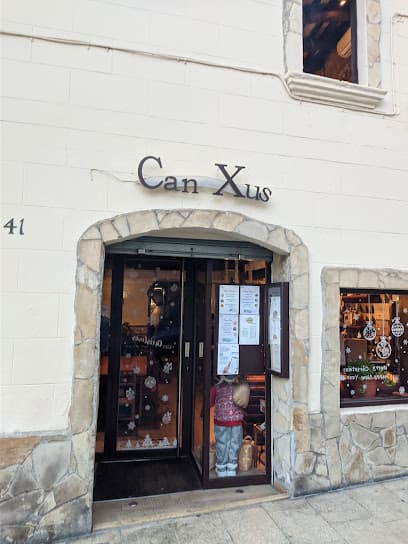
A charcoal-scented fortress of Catalan tradition in Horta, where the snails are spicy, the meat is grilled over real coals, and the tourists are nowhere to be found.
4.2(1K)
Catalonian restaurantMediterranean restaurant

HOTEL
Mellow Hostel Barcelona
€800 m · Municipality of Horta-Guinardó
Perched high in Horta-Guinardó, this is where you trade central convenience for a killer rooftop view and the kind of quiet you won't find anywhere near the Ramblas.
3.0(932)
Hostel
HOTEL
Hotel Colors
€800 m · Municipality of Horta-Guinardó
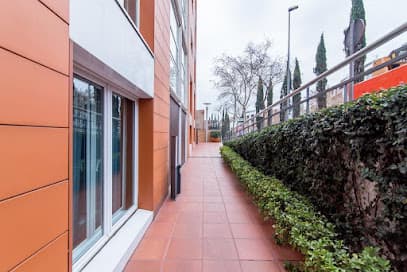
A no-frills outpost in Horta where the walls are bright, the Metro is your lifeline, and you’re far enough from the Rambla to actually hear yourself think and find a parking spot.
3.5(450)
Hotel
Frequently Asked Questions
Is Plaça d'Eivissa worth visiting?
Yes, if you want to experience an authentic, non-touristy Barcelona neighborhood with a genuine village feel and legendary local bars.
What should I order at Plaça d'Eivissa?
Go to Quimet d'Horta and order one of their famous ciabatta sandwiches (entrepans) and a glass of house vermouth.
How do I get to Plaça d'Eivissa?
Take the L5 (Blue Line) Metro to the Horta station; the square is located immediately outside the exit.
Is Horta safe for tourists?
Horta is a very safe, residential neighborhood. It lacks the pickpockets common in the city center, though standard urban awareness still applies.
Reviews
0 reviews for Plaça d'Eivissa
No reviews yet. Be the first to share your experience!