4.0
43 verified reviews
About
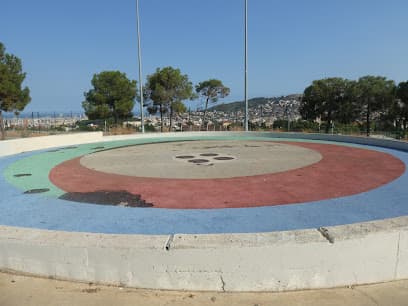
If you’re looking for the manicured perfection of a Gaudí masterpiece or the scrubbed-clean tiles of a tourist-friendly plaza, turn around and head back to the Eixample. Parc de Xavier Montsalvatge isn’t interested in your vacation photos. Tucked away in the rugged, vertical landscape of Horta-Guinardó, this is a park for the people who actually live here—the ones who have calves of steel from navigating these hills every day and who don’t mind a bit of unvarnished concrete with their Mediterranean views.
Named after the celebrated Catalan composer, the park doesn’t offer a symphony so much as a gritty, urban remix. It’s a terraced, vertical space that clings to the side of the hill like a climber refusing to let go. When you arrive, usually breathless if you’ve walked up from the metro, the first thing that hits you isn’t the smell of flowers, but the honest, dry scent of rosemary, pine, and sun-baked earth. This is one of the best parks in Barcelona for anyone who suffers from 'over-tourism' fatigue. There are no gift shops here. No one is trying to sell you a plastic miniature of a lizard. It’s just you, the wind, and the occasional elderly neighbor staring out at the sprawl of the city.
The design, handled by architects Jaime Coll and Judith Leclerc, is a clever bit of urban engineering. They took a difficult, sloping site and turned it into a series of functional platforms. It’s a 'balcony park,' essentially a giant staircase of greenery and pavement that offers some of the most honest Barcelona city views you can find. From the upper levels, the city unfolds below you—not as a collection of monuments, but as a living, breathing organism of rooftops, laundry lines, and distant traffic. You can see the Sagrada Família, sure, but from here it looks like just another part of the neighborhood, not a cathedral on a pedestal.
The atmosphere is dictated by the locals. In the late afternoon, the 'pipican'—the designated dog area—becomes the social heart of the park. This is where the real business of the barrio happens. Dogs of questionable lineage tear across the dirt while their owners lean against the fences, debating football or complaining about the price of bread. It’s loud, it’s chaotic, and it’s entirely authentic. Nearby, you’ll find kids on the playground equipment that looks like it was built to survive a minor apocalypse, and teenagers huddled on the concrete benches, doing exactly what teenagers do everywhere in the world: trying to look bored while secretly enjoying the view.
Let’s be honest: the park is a bit scruffy. The grass isn't always green, and the concrete shows its age. But that’s the point. It’s a functional space, a lung for a neighborhood that is often overlooked by the guidebooks. It’s one of those things to do in Horta-Guinardó that reminds you that Barcelona is a mountain city as much as a sea city. The climb is the price of admission, and the reward is a quiet moment of clarity above the noise.
Is it worth the trek? If you want to see the unvarnished reality of the city without the filter, yes. If you want to understand how Barcelona manages to stay a real place despite the millions of visitors, you come here. Bring a bottle of water, wear shoes with actual grip, and leave your expectations of a 'charming garden' at the bottom of the hill. This is the high-altitude reality of the Horta-Guinardó district, and it’s beautiful in its own stubborn, vertical way.
Type
Park, Tourist attraction
What People Say
dog(2)
Features
Park
Tourist attraction
Categories
NatureViewpointLocal LifeArchitecture
Opening Hours
- MondayOpen 24 hours
- TuesdayOpen 24 hours
- WednesdayOpen 24 hours
- ThursdayOpen 24 hours
- FridayOpen 24 hours
- SaturdayOpen 24 hours
- SundayOpen 24 hours
Accessibility
- Paved paths available
- Steep inclines may be challenging for manual wheelchairs
- Accessible by some ramps but primarily terraced
Location
Municipality of Horta-Guinardó, Barcelona
Nearby
ATTRACTION
Mirador d'Horta
200 m · Municipality of Horta-Guinardó
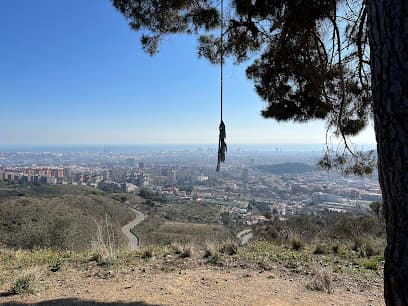
A roadside sanctuary where the city’s chaos fades into a panoramic sprawl, famous for a precarious swing and the wild boars that watch you watch the sunset.
4.3(1K)
Observation deckTourist attraction
ATTRACTION
Barri de la Font del Gos
300 m · Municipality of Horta-Guinardó
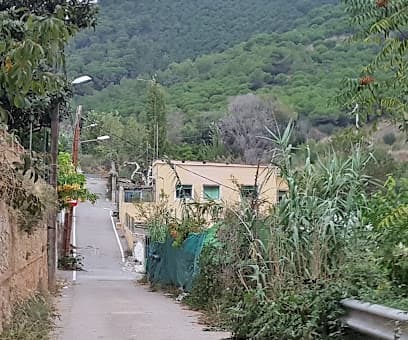
A defiant, self-built neighborhood clinging to the edge of Collserola, where the city’s noise dies and the real, unpolished Barcelona begins its steep, vertical climb.
4.2(27)
Park
RESTAURANT
Can Cortada
€€€450 m · Municipality of Horta-Guinardó
An 11th-century fortress turned meat temple where the scent of oak charcoal and Catalan tradition hangs heavy in the ancient stone air of Horta.
4.3(5K)
Catalonian restaurantGrill
RESTAURANT
Keirin Bar
€€500 m · Municipality of Horta-Guinardó
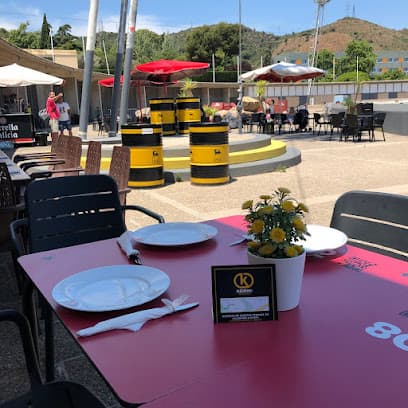
A gritty, high-octane pit stop for cyclists and locals in Horta. No frills, just massive bocadillos, cold beer, and a terrace that overlooks the neighborhood's daily rhythm.
4.4(236)
Tapas barBar & grill
HOTEL
Hotel Colors
€600 m · Municipality of Horta-Guinardó
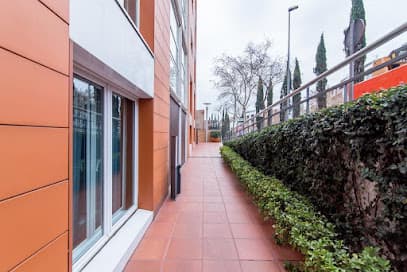
A no-frills outpost in Horta where the walls are bright, the Metro is your lifeline, and you’re far enough from the Rambla to actually hear yourself think and find a parking spot.
3.5(450)
Hotel
HOTEL
Hotel Alimara
€850 m · Municipality of Horta-Guinardó
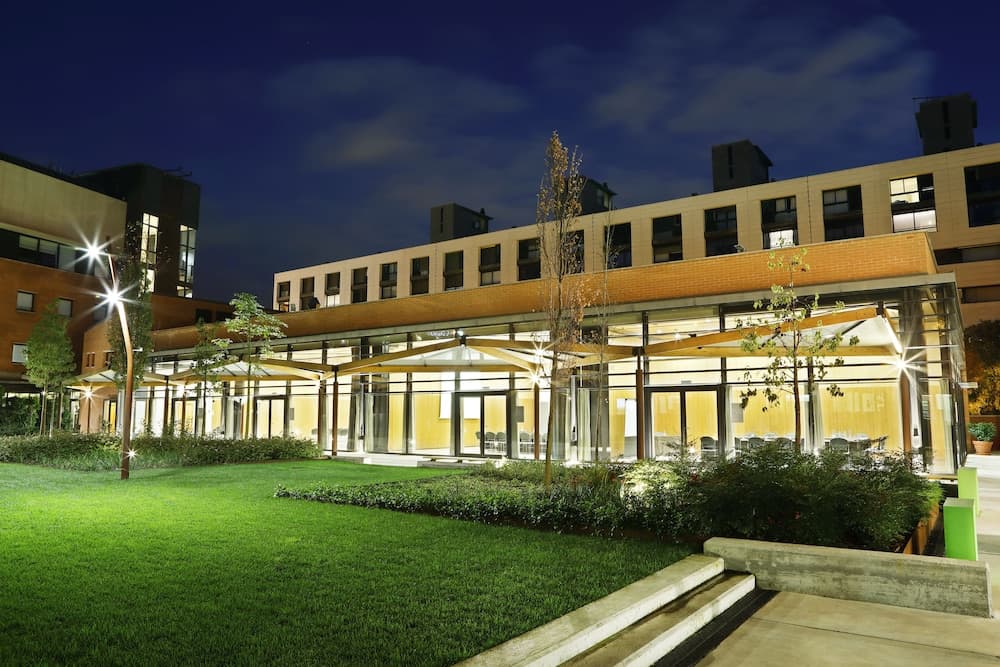
Escape the tourist-choked center for a sleek, quiet refuge in Horta where the next generation of Catalan hospitality is born and the Labyrinth Park is your backyard.
4.2(3K)
Hotel
Frequently Asked Questions
Is Parc de Xavier Montsalvatge worth visiting?
Yes, but only if you enjoy quiet, local atmosphere and city views. It is a steep, neighborhood park without major monuments, making it ideal for finding some quiet but less suitable for those seeking traditional sightseeing.
How do I get to Parc de Xavier Montsalvatge?
The easiest way is taking the Metro L5 (Blue Line) to El Carmel station and walking uphill, or using the H6 bus which stops nearby on Passeig de la Mare de Déu del Coll.
Is the park good for dogs?
Absolutely. It features a large, dedicated dog area (pipican) and is a very popular spot for local dog owners, though dogs should be kept on a leash in the main landscaped areas.
What is the best time to visit?
Late afternoon or sunset is best. The golden hour light over the city is spectacular, and the park becomes more active with locals as the temperature drops.
Reviews
0 reviews for Parc de Xavier Montsalvatge
No reviews yet. Be the first to share your experience!