4.4
65 verified reviews
About
If you’re looking for the polished, air-conditioned sterility of the MACBA or the elbow-to-elbow tourist shuffle of the Picasso Museum, do yourself a favor and stay on the L3 metro until you hit the center. But if you give a damn about the soul of a place—the kind of soul that only comes from decades of obsession and a 15th-century stone wall—then you get your ass up to Horta-Guinardó. Specifically, to Sant Genís dels Agudells. This isn't the Barcelona of the postcards. This is the Barcelona of steep hills, quiet residential blocks, and the Museu Alfredo Palmero.
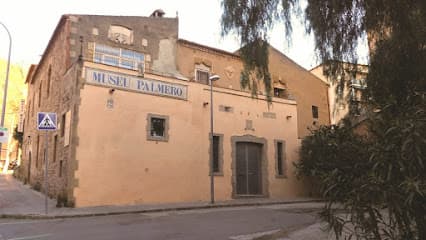
You arrive at a 'masía,' a traditional Catalan farmhouse that has stood since before most of the world knew the Americas existed. It’s a beautiful, rugged structure that feels like it’s holding back the weight of the mountain. Inside, you aren't greeted by a bored teenager in a corporate vest. You’re likely greeted by the family. This is a private museum, run by the third generation of the Palmero family, and that matters. It matters because when they talk about the art, they aren’t reciting a script; they’re talking about their grandfather, Alfredo Palmero, a man who spent his life in a feverish, lifelong dialogue with the greats.
The collection is a trip. Palmero was obsessed with Velázquez, but not in a copycat way. He took 'Las Meninas' and fractured them, reimagining the classic forms through a lens that feels both ancient and startlingly modern. Then there are the Harlequins—melancholy, colorful, and deeply human—and his Don Quixote series. If you’ve ever felt like you’re tilting at windmills, these paintings will hit you right in the gut. Pay attention to the hands. Reviewers mention them for a reason. Palmero painted hands that look like they’ve actually worked, actually suffered—gnarled, expressive, and more honest than a politician’s handshake.
The museum is split into two main areas: the historic masía itself, which houses the permanent collection and feels like stepping back into a more dignified century, and the more modern workshop space. It’s a sprawling, intimate look at a man who was a contemporary of Picasso and Dalí but chose a different, perhaps more personal, path. You see his evolution, his technical mastery, and his refusal to be pinned down to one single movement.
Is it out of the way? Yeah, it’s a hike. Is the neighborhood a bit sleepy? Absolutely. But that’s the point. You come here to escape the 'Barcelona-as-a-Theme-Park' vibe. You come here to see what happens when a family decides that their patriarch’s vision is worth preserving, even if the rest of the world is busy chasing the next shiny thing. It’s raw, it’s real, and it smells like old oil paint and history. If you’re a fan of figurative art that actually says something, or if you just want to see one of the coolest old houses in the city, this is your spot. Just don't expect a gift shop selling plastic keychains. This is a place for people who actually like art, not just the idea of it.
Type
Museum, Tourist attraction
Duration
1-2 hours
Best Time
Weekday mornings by appointment for the most private experience.
Guided Tours
Available
What People Say
painting(7)generation(4)collection(2)hands(2)don quixote(2)
Features
Museum
Tourist attraction
Categories
ArtPrivate CollectionHistoryArchitecture
Ticket Prices
adult€10
Must-See Highlights
The 'Meninas' series
The 15th-century stone architecture of the masía
The Don Quixote paintings
The artist's original workshop and tools
Visitor Tips
Always call ahead as opening hours can be flexible and are often by appointment only
Combine this with a visit to the nearby Laberint d'Horta for a full day in the Horta district
Wear comfortable shoes as the walk from the metro is uphill
Good For
Art loversHistory buffsOff-the-beaten-path explorersCouples
Why Visit
Located in a stunning, preserved 15th-century Catalan masía
Personalized tours often led by the artist's own descendants
A world-class collection of 'Meninas' and Harlequins away from the crowds
Nearby Landmarks
- 5-minute walk from Parroquia de Sant Genís dels Agudells
- 12-minute walk from Hospital Vall d'Hebron
- 20-minute walk from Laberint d'Horta (Horta Labyrinth Park)
Accessibility
- Limited accessibility due to the historic nature of the 15th-century building
- Ground floor is accessible, upper floors require stairs
Location
C. de Judea, 2
Municipality of Horta-Guinardó, Barcelona
Nearby Hotels
Nearby Restaurants
In Municipality of Horta-Guinardó
ATTRACTION
メリーゴーランド
Municipality of Horta-Guinardó
A spinning, neon-lit relic of neighborhood childhood, tucked away in the dusty, unvarnished heart of Horta-Guinardó, far from the Gaudi-crazed tourist herds.
0.0(0)
Park
ATTRACTION
SunsetBoatBarcelona
Municipality of Horta-Guinardó
Escape the sweltering, tourist-choked streets for the open Mediterranean, where the city skyline bleeds into the dusk and the Cava actually tastes like freedom.
0.0(0)
Tourist attraction

ATTRACTION
Labyrinth
Municipality of Horta-Guinardó
Barcelona’s oldest garden is a neoclassical middle finger to the city’s chaos, featuring a cypress maze where you can actually lose yourself—and the crowds—for a few euros.
0.0(0)
Tourist attraction
Frequently Asked Questions
Is Museu Alfredo Palmero worth visiting?
Yes, if you appreciate intimate, family-run museums and figurative art. It offers a unique look at 20th-century Spanish painting inside a stunning 15th-century farmhouse, far from the city's tourist crowds.
Do I need a reservation for Museu Alfredo Palmero?
Yes, visits are typically by appointment or 'visita concertada.' It is highly recommended to call +34 609 77 97 01 or email ahead to ensure someone is there to let you in and provide a tour.
How do I get to the museum?
Take the Metro Line 3 (Green) to the Vall d'Hebron station. From there, it is about a 10-15 minute walk uphill into the Sant Genís dels Agudells neighborhood.
What is the most famous work in the museum?
The museum is best known for Alfredo Palmero's reinterpretations of Velázquez's 'Las Meninas' and his extensive series of Harlequins and Don Quixote paintings.
Reviews
0 reviews for Museu Alfredo Palmero
No reviews yet. Be the first to share your experience!