5.0
4 verified reviews
About
Forget the Gothic Quarter. Forget the human statues on La Rambla and the overpriced sangria that tastes like cough syrup and regret. If you want to see where Barcelona actually breathes, you have to head north, up into the steep, lung-burning hills of Horta-Guinardó. This is where you’ll find La Font—specifically the Font d’en Fargues—a place that doesn’t give a damn if you show up or not. And that’s exactly why it’s worth the trek.
Back in the late 19th century, some guy named Pere Fargas realized the water bubbling out of this hillside wasn’t just wet; it was 'medicinal.' Suddenly, the wealthy elite of Barcelona were trekking up here to cure their gout, their nerves, or whatever else ailed a turn-of-the-century industrialist. They built a modernist kiosk, a little temple to hydration designed by Roc Alabern, and turned the whole area into a Sunday playground. Today, the 'miraculous' water is mostly a memory, and the kiosk looks like it’s seen better days, but the soul of the place remains stubbornly intact.
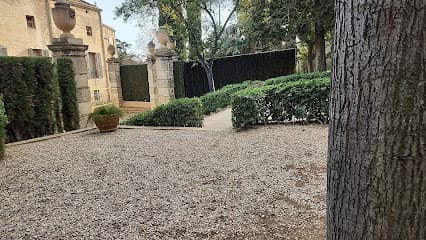
Walking into this park feels like stepping into a Barcelona that the tourism board forgot to polish. It’s rugged. The paths are steep enough to make a mountain goat think twice, and the air smells of Aleppo pines and damp earth rather than exhaust fumes. You won’t find any gift shops here. You won’t find a guy selling selfie sticks. What you will find are local grandfathers sitting on weathered benches, arguing about football, and dogs chasing shadows through the underbrush. It’s a neighborhood park in the truest sense, a vertical forest that offers a middle finger to the grid-like precision of the Eixample.
The centerpiece is the old fountain area. The architecture is pure Catalan Modernisme—curvy, organic, and slightly eccentric—but it’s weathered in a way that feels honest. It’s not a museum piece; it’s a survivor. You stand there, looking at the stone work, and you can almost hear the clinking of glass bottles from when they used to ship this water across Spain. It was a business, sure, but it was also a destination, a place for 'fontades'—traditional family picnics centered around a spring.
Is it worth the hike? If you’re looking for a curated, Instagram-ready backdrop with perfect lighting and a nearby mojito stand, then no. Stay in Barceloneta. But if you want to see the city laid out like a messy, beautiful blueprint from a height that makes the Sagrada Família look like a toy, then yes. The views from the higher trails are visceral. You see the Mediterranean shimmering in the distance, the smoke of the city rising up, and you realize how small the 'tourist' part of Barcelona actually is.
This is one of the best things to do in Horta-Guinardó if you’re tired of being a spectator and want to feel like a participant in the city’s actual life. It’s quiet, it’s a bit rough around the edges, and it requires a decent pair of shoes. It’s the kind of place where you can sit for an hour and not hear a single word of English, which, in 2025 Barcelona, is a miracle more impressive than any medicinal water Pere Fargas ever sold.
Type
Park
Duration
1-2 hours
Best Time
Late afternoon for softer light and views of the city as the sun sets behind Tibidabo.
Features
Park
Categories
ModernismeNatureHistoryViewpoint
Ticket Prices
Free Admission
No tickets required
Must-See Highlights
The Roc Alabern Modernist Kiosk
The historic fountain niche
The panoramic views of the city from the upper pine groves
Visitor Tips
Wear shoes with good grip; the gravel paths can be slippery on the descent.
Bring your own water; the historic spring is no longer for drinking.
Combine this with a visit to the Bunkers del Carmel for a full afternoon of hill-climbing.
Good For
HikersHistory buffsLocalsDog ownersBudget travelers
Why Visit
Authentic Modernist Kiosk designed by Roc Alabern
Zero tourist crowds compared to Park Güell
Historic medicinal water spring site from the 19th century
Nearby Landmarks
- Bunkers del Carmel (20-minute walk)
- Parc del Laberint d'Horta (25-minute walk)
- Turó de la Rovira (20-minute walk)
- Hospital de Sant Pau (10-minute bus ride)
Accessibility
- Limited accessibility due to very steep terrain
- Main entrance area is paved but most trails are dirt and incline heavily
Location
C4QW+WH
Municipality of Horta-Guinardó, Barcelona
Nearby Hotels
Nearby Restaurants
In Municipality of Horta-Guinardó
ATTRACTION
メリーゴーランド
Municipality of Horta-Guinardó
A spinning, neon-lit relic of neighborhood childhood, tucked away in the dusty, unvarnished heart of Horta-Guinardó, far from the Gaudi-crazed tourist herds.
0.0(0)
Park
ATTRACTION
SunsetBoatBarcelona
Municipality of Horta-Guinardó
Escape the sweltering, tourist-choked streets for the open Mediterranean, where the city skyline bleeds into the dusk and the Cava actually tastes like freedom.
0.0(0)
Tourist attraction

ATTRACTION
Labyrinth
Municipality of Horta-Guinardó
Barcelona’s oldest garden is a neoclassical middle finger to the city’s chaos, featuring a cypress maze where you can actually lose yourself—and the crowds—for a few euros.
0.0(0)
Tourist attraction
Frequently Asked Questions
Is La Font d'en Fargues worth visiting?
Yes, if you want to escape the crowds and see a rugged, local side of Barcelona with genuine modernist history and great city views. It is not for those who struggle with steep hills or want typical tourist amenities.
How do I get to La Font in Horta-Guinardó?
The easiest way is taking the Metro Line 5 (Blue) to Horta or El Carmel station, followed by a 15-minute uphill walk or a short ride on the 117 bus which drops you closer to the park entrance.
What is the history of the fountain?
Discovered in the 19th century, the spring was commercialized by Pere Fargas for its medicinal properties. It became a popular site for 'fontades' (picnics) and features a modernist pavilion built in the early 1900s.
Is there an entry fee for the park?
No, the Parc de la Font d'en Fargues is a public municipal park and is free to enter at all times.
Reviews
0 reviews for La Font
No reviews yet. Be the first to share your experience!