4.3
85 verified reviews
About
If you’re looking for the Barcelona of the postcards—the one with the scrubbed-clean limestone, the overpriced sangria, and the endless sea of selfie sticks—you’ve taken the wrong train. To get to Jardíns Primer de Maig, you have to head north, deep into Nou Barris, where the city stops trying to impress you and starts just being itself. This isn't a park designed by a starchitect to win awards; it’s a lung for a neighborhood that earned its green space through decades of grit and community struggle.
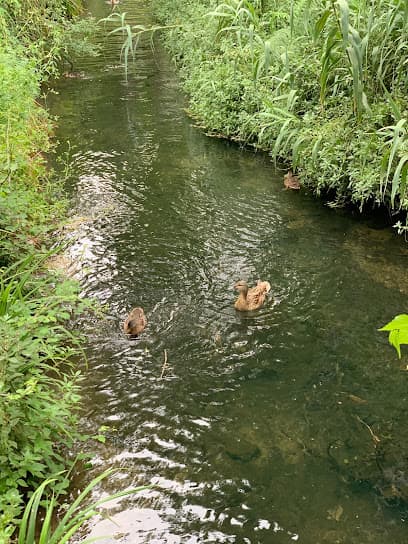
The first thing that hits you isn't the smell of jasmine or some curated floral arrangement. It’s the sound of water. This is where the Rec Comtal, a thousand-year-old irrigation canal that once fed the entire city, makes a rare, open-air appearance. In a city that often feels like a concrete pressure cooker, the sight of actual, moving water is a shock to the system. It’s not the Trevi Fountain. It’s a functional, moss-lined channel where the water moves with a purposeful, rhythmic hiss.
Then there are the ducks. They are the undisputed kings of this particular patch of dirt. They don’t give a damn about your Instagram feed or your travel itinerary. They paddle through the Rec Comtal with a level of entitlement that would make a Born boutique owner blush. Locals gather here—old men with skin like cured leather sitting on benches, mothers keeping a watchful eye on kids near the playground, and the occasional teenager looking for a quiet corner to disappear. It’s a tableau of daily life in Vallbona, a neighborhood that feels more like a village trapped on the edge of a metropolis.
Architecturally, it’s simple. You’ve got the stone walls of the canal, some sturdy iron railings, and a layout that prioritizes shade and utility over aesthetics. But there’s a raw beauty in that utility. The gardens are named 'Primer de Maig'—May Day—a nod to the international workers' holiday. That tells you everything you need to know about the soul of this place. It’s a park for the people who build the city, clean the hotels, and cook the food in the places you usually frequent.
Is it worth the trek? If you’re a traveler who wants to see the 'real' Barcelona—the one that exists when the cruise ships leave and the shutters go down—then yes. It’s one of the best things to do in Nou Barris if you want to understand the city's geography and its history of water. You come here to sit, to listen to the water, and to realize that the heart of Barcelona doesn't beat in the Gothic Quarter; it beats out here, in places like this, where the air is a little thinner and the stories are a lot more honest.
Don't expect a café. Don't expect a tour guide. Bring a bottle of water, a decent pair of walking shoes, and a willingness to be ignored by the locals. It’s a refreshing change of pace from the performative hospitality of the city center. Here, you aren't a 'guest'; you're just another person passing through a neighborhood that has seen it all and isn't particularly impressed by your presence. And honestly? That’s exactly why you should go.
Type
Park
What People Say
duck(4)
Features
Park
Categories
NatureHistoryLocal Life
Opening Hours
- MondayOpen 24 hours
- TuesdayOpen 24 hours
- WednesdayOpen 24 hours
- ThursdayOpen 24 hours
- FridayOpen 24 hours
- SaturdayOpen 24 hours
- SundayOpen 24 hours
Accessibility
- Paved paths
- Flat terrain around the canal
- Accessible by public transport
Location
Plaça Primer de Maig, 18I
Nou Barris, Barcelona
Nearby
ATTRACTION
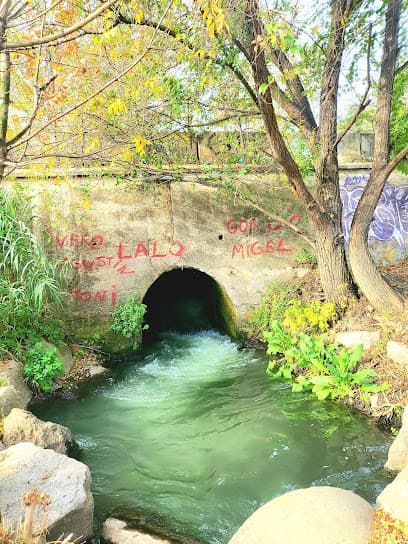
El forat de Torre Baró
100 m · Nou Barris
A raw, unvarnished look at the Barcelona the tour buses ignore, where the city’s edge meets the mountains and the history of survival is etched into the concrete.
4.6(5)
Tourist attraction
ATTRACTION
Mirador El Quinto Pino
650 m · Nou Barris
A concrete balcony on the edge of the world where the city's sprawl meets the pines. No gift shops, no buskers, just the raw, unvarnished truth of Barcelona’s working-class heart.
0.0(0)
Tourist attraction
RESTAURANT
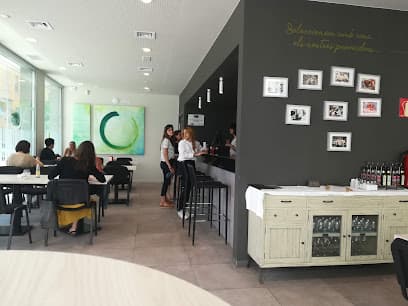
Escola de Cuina Bar Restaurant "Cruïlla al Punt"
€€800 m · Nou Barris
A social project in the heart of Nou Barris where at-risk youth trade the streets for the kitchen, serving up high-end Mediterranean plates at prices that feel like a beautiful mistake.
4.7(117)
RestaurantBar
RESTAURANT
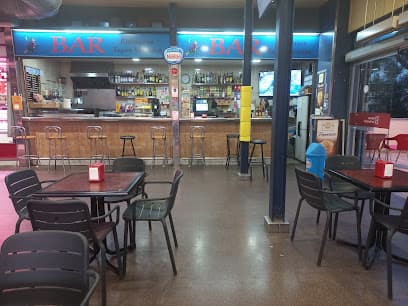
Bar El Rincón de la Bruja
€€800 m · Nou Barris
Deep in the working-class heart of Nou Barris, this market stall serves up the kind of unvarnished, soul-restoring Catalan comfort food that tourists usually never find.
4.9(8)
Bar & grill

HOTEL
ibis Barcelona Santa Coloma
€1.9 km · Barcelona
A no-bullshit refuge in Santa Coloma where the rooms are clean, the metro is close, and you're far enough from the tourist circus to actually hear yourself think.
4.2(2K)
Hotel
HOTEL
Hostelle Barcelona
€2.5 km · Nou Barris
A female-only sanctuary in the gritty, real-deal neighborhood of Nou Barris. No tourist traps here—just clean bunks, a shared kitchen, and the L4 metro to whisk you into the chaos.
4.3(146)
Youth hostel
Frequently Asked Questions
Is Jardíns Primer de Maig worth visiting?
Yes, if you want to see the historic Rec Comtal canal and experience a non-touristy, local neighborhood. It is not a traditional 'sight' but offers a raw glimpse into Barcelona's working-class history and ancient water systems.
How do I get to Jardíns Primer de Maig?
The easiest way is to take the L11 metro to Vallbona or the R3/R4 Rodalies train to Torre Baró-Vallbona and walk about 10 minutes. It is located in the northernmost part of the city.
What is the Rec Comtal?
The Rec Comtal is an ancient irrigation canal dating back to the 10th century (and possibly Roman times) that supplied Barcelona with water for centuries. It is visible and flowing in these gardens.
Is there an entrance fee for the gardens?
No, Jardíns Primer de Maig is a public park and is completely free to enter at any time.
Reviews
0 reviews for Jardíns Primer de Maig
No reviews yet. Be the first to share your experience!