About
In Spanish, when someone tells you a place is in 'el quinto pino,' they mean it’s out in the sticks. The boonies. The middle of nowhere. Mirador El Quinto Pino lives up to its name, and thank God for that. Located on the ragged, vertical edge of Nou Barris, this isn't the Barcelona they sell you on the back of a bus tour. There are no Gaudi chimneys here, no overpriced tapas, and no one is going to try to sell you a plastic whistle. It is a concrete and iron platform jutting out from the side of a hill in Torre Baró, and it offers something far more valuable than a postcard: the truth.
To get here, you have to want it. You take the L3 or L4 metro to the end of the line and then hop on a small neighborhood bus—the 182—that climbs streets so steep they make your calves ache just looking at them. You’re entering a part of the city built by migrants in the mid-20th century, people who literally hauled bricks up these hills to build their own homes. The architecture is functional, dense, and unapologetic. When you finally step off at Carrer de Costabona, the air changes. The humidity of the center is replaced by a dry, pine-scented breeze blowing off the Collserola hills.
The viewpoint itself is a minimalist affair. It’s a balcony for the neighborhood, a place where old men sit in silence and teenagers escape the watchful eyes of their parents. From this vantage point, the city doesn't look like a museum; it looks like a living, breathing machine. You see the massive apartment blocks of Ciutat Meridiana and Trinitat Nova, the silver thread of the Besòs river, and the distant, shimmering Mediterranean. You can see the Sagrada Família, sure, but from here it looks like a tiny, intricate toy lost in a sea of grey and ochre rooftops.
This is the best viewpoint in Barcelona for anyone who suffers from 'over-tourism' fatigue. It is quiet. Viscerally quiet. You’ll hear the occasional bark of a dog from a nearby terrace or the distant hum of the C-17 highway snaking its way toward the Pyrenees, but mostly, it’s just you and the wind. It’s a place for reflection, for realizing that the 'real' Barcelona isn't found in the Gothic Quarter’s sanitized alleys, but here, where the city meets the mountain.
There are no facilities. No bathrooms, no kiosks, no shade. If you come here in the height of summer at midday, you will bake. If you come without water, you will thirst. But if you come at golden hour, when the sun dips behind the Collserola and the lights of the periphery begin to twinkle like a fallen galaxy, you’ll understand why this place matters. It’s a reminder that a city is more than its monuments; it’s a collection of millions of lives, most of them lived far away from the cameras. It’s honest, it’s beautiful in its ruggedness, and it’s exactly where you should go when you’re sick of being a tourist.
Type
Tourist attraction
Features
Tourist attraction
Categories
ViewpointNaturePhotographyLocal Culture
Opening Hours
- MondayOpen 24 hours
- TuesdayOpen 24 hours
- WednesdayOpen 24 hours
- ThursdayOpen 24 hours
- FridayOpen 24 hours
- SaturdayOpen 24 hours
- SundayOpen 24 hours
Accessibility
- Outdoor public space
- Paved access
- Steep surrounding terrain may be challenging for some
Location
Carrer de Costabona, 22I
Nou Barris, Barcelona
Nearby
ATTRACTION
Petanca de Ciutat Meridiana
300 m · Nou Barris
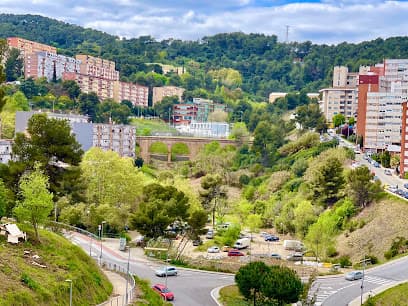
The end of the line where the steel balls clack against gravel and the city's gloss finally wears off. This is the raw, unvarnished heart of Nou Barris petanca.
3.8(19)
Park

ATTRACTION
Plaça dels ossos
500 m · Nou Barris
The edge of the map where concrete meets the mountain. A brutalist, vertical playground in Nou Barris where real life happens far from the shadow of the Sagrada Familia.
0.0(0)
Park
RESTAURANT
Bar El Rincón de la Bruja
€€200 m · Nou Barris
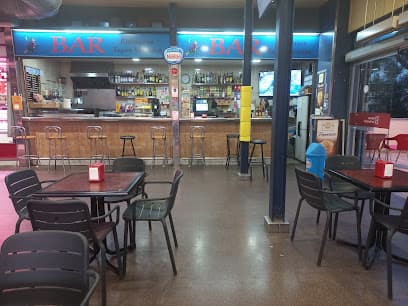
Deep in the working-class heart of Nou Barris, this market stall serves up the kind of unvarnished, soul-restoring Catalan comfort food that tourists usually never find.
4.9(8)
Bar & grill
RESTAURANT
Escola de Cuina Bar Restaurant "Cruïlla al Punt"
€€400 m · Nou Barris
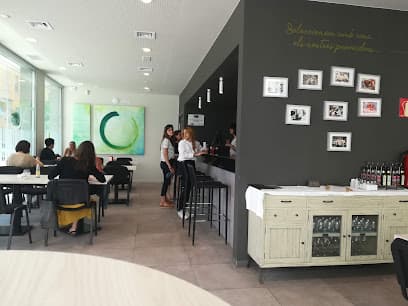
A social project in the heart of Nou Barris where at-risk youth trade the streets for the kitchen, serving up high-end Mediterranean plates at prices that feel like a beautiful mistake.
4.7(117)
RestaurantBar
HOTEL
Hostelle Barcelona
€2.2 km · Nou Barris
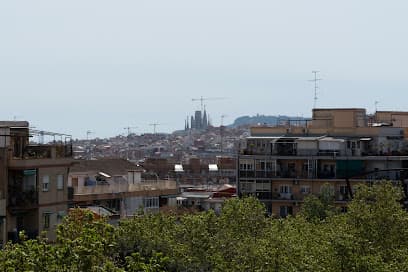
A female-only sanctuary in the gritty, real-deal neighborhood of Nou Barris. No tourist traps here—just clean bunks, a shared kitchen, and the L4 metro to whisk you into the chaos.
4.3(146)
Youth hostel
HOTEL
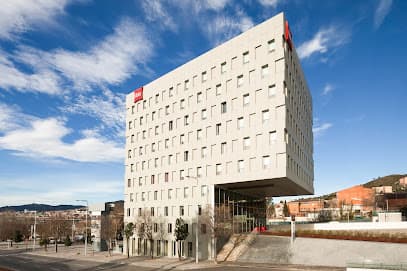
ibis Barcelona Santa Coloma
€2.3 km · Barcelona
A no-bullshit refuge in Santa Coloma where the rooms are clean, the metro is close, and you're far enough from the tourist circus to actually hear yourself think.
4.2(2K)
Hotel
Frequently Asked Questions
Is Mirador El Quinto Pino worth visiting?
Yes, if you want to escape the tourist crowds and see the raw, unvarnished side of Barcelona's urban landscape. It offers incredible views of the city's periphery that most visitors never see.
How do I get to Mirador El Quinto Pino?
Take the Metro to Torre Baró | Vallbona (L11) or Trinitat Nova (L3/L4) and then catch the 182 bus, which drops you off very close to the viewpoint on Carrer de Costabona.
Is there an entrance fee for the viewpoint?
No, Mirador El Quinto Pino is a public space and is completely free to visit at any time of day.
Are there restaurants or shops nearby?
No, this is a residential area with very few commercial services. Bring your own water and snacks if you plan to stay for a while.
Reviews
0 reviews for Mirador El Quinto Pino
No reviews yet. Be the first to share your experience!