4.6
5 verified reviews
About
Forget the Ramblas. Forget the overpriced gin and tonics in the Gothic Quarter where the only locals left are the ghosts of pickpockets and the weary staff of international retail chains. If you want to see the real Barcelona—the one that sweats, the one that bled to exist, the one that doesn't give a damn about your Instagram feed—you get on the L11 metro and you head north until the hills start to feel like they’re closing in. You’re going to Nou Barris, specifically to El forat de Torre Baró.
This isn't a place for the faint of heart or the thin-soled shoe. Located at Plaça Primer de Maig, this spot is a literal and metaphorical 'hole' in the city’s narrative. For decades, this neighborhood didn't exist on official maps. It was a blank space where immigrants from Andalusia and Extremadura arrived with nothing but hope and a handful of bricks. They built their houses at night, by hand, because if the roof was on by dawn, the Franco-era police couldn't legally tear them down. That’s the DNA of this place: resistance, grit, and a stubborn refusal to be ignored.
Standing at El forat, you aren't looking at the Sagrada Familia or the polished spires of the Cathedral. You’re looking at the sprawl. You see the Besòs river snaking toward the sea, the massive concrete knot of the Nus de la Trinitat highway interchange humming with the lifeblood of the city, and the endless blocks of the periphery stretching out like a grey sea. It is, quite simply, one of the best views in Barcelona, precisely because it is so honest. It’s a protein rush for the soul, a reminder that cities are built by people, not just architects.
The atmosphere here is quiet, punctuated only by the sound of a distant scooter or the wind whipping off the Collserola ridge. There are no ticket booths, no gift shops selling plastic bulls, and no one trying to sell you a selfie stick. It’s just you and the history of a neighborhood that had to hijack its own public bus—literally, look up Manuel Vital—just to prove they deserved basic services.
Is it beautiful? That depends on your definition. If you need limestone carvings and manicured gardens, stay in the Eixample. But if you find beauty in the way a community clings to a steep hillside, in the way the setting sun hits the weathered facades of self-built homes, and in the sheer audacity of existing in the face of neglect, then El forat is a goddamn masterpiece. It’s a place to sit, breathe in the scent of wild rosemary and distant exhaust, and realize that this is the foundation upon which the rest of the city’s glamour is built.
Come here at dusk. Watch the lights of the city flicker on, one by one, from the high-rises of Sant Andreu to the distant glimmer of the Mediterranean. It’s a view that makes you feel small in the best way possible. It’s a reminder that Barcelona is more than a tourist destination; it’s a living, breathing, fighting organism. El forat de Torre Baró is its heart, beating loudly in a part of town most visitors will never have the guts to see.
Type
Tourist attraction
Features
Tourist attraction
Categories
HistoryUrban ExplorationArchitectureLocal Culture
Opening Hours
- MondayOpen 24 hours
- TuesdayOpen 24 hours
- WednesdayOpen 24 hours
- ThursdayOpen 24 hours
- FridayOpen 24 hours
- SaturdayOpen 24 hours
- SundayOpen 24 hours
Accessibility
- Steep terrain in the surrounding area
- Plaça Primer de Maig is paved and level
- Metro station has elevator access
Location
Plaça Primer de Maig, 1
Nou Barris, Barcelona
Nearby
ATTRACTION
Jardíns Primer de Maig
100 m · Nou Barris
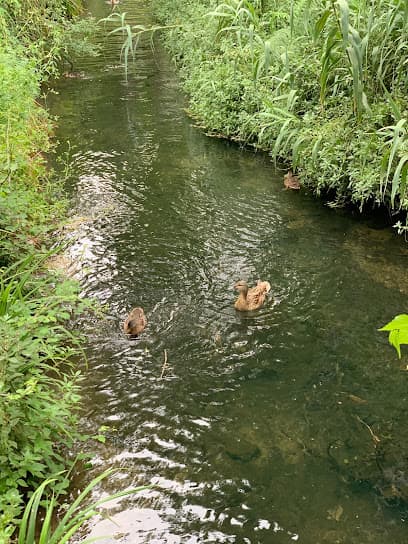
A gritty, honest slice of Nou Barris where the ancient Rec Comtal canal flows past ducks and sun-baked benches. No Gaudí, no gift shops, just the real Barcelona breathing.
4.3(85)
Park
ATTRACTION
Mirador El Quinto Pino
700 m · Nou Barris
A concrete balcony on the edge of the world where the city's sprawl meets the pines. No gift shops, no buskers, just the raw, unvarnished truth of Barcelona’s working-class heart.
0.0(0)
Tourist attraction
RESTAURANT
Escola de Cuina Bar Restaurant "Cruïlla al Punt"
€€850 m · Nou Barris
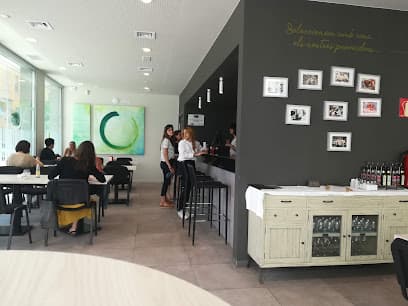
A social project in the heart of Nou Barris where at-risk youth trade the streets for the kitchen, serving up high-end Mediterranean plates at prices that feel like a beautiful mistake.
4.7(117)
RestaurantBar
RESTAURANT
Bar El Rincón de la Bruja
€€900 m · Nou Barris
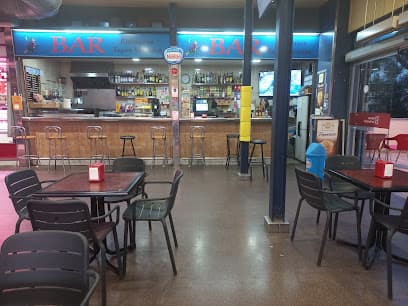
Deep in the working-class heart of Nou Barris, this market stall serves up the kind of unvarnished, soul-restoring Catalan comfort food that tourists usually never find.
4.9(8)
Bar & grill
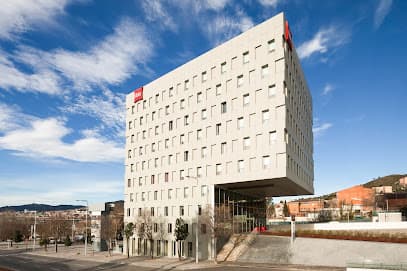
HOTEL
ibis Barcelona Santa Coloma
€1.9 km · Barcelona
A no-bullshit refuge in Santa Coloma where the rooms are clean, the metro is close, and you're far enough from the tourist circus to actually hear yourself think.
4.2(2K)
Hotel
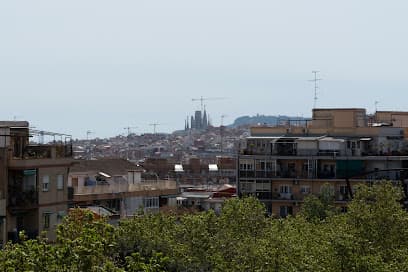
HOTEL
Hostelle Barcelona
€2.6 km · Nou Barris
A female-only sanctuary in the gritty, real-deal neighborhood of Nou Barris. No tourist traps here—just clean bunks, a shared kitchen, and the L4 metro to whisk you into the chaos.
4.3(146)
Youth hostel
Frequently Asked Questions
Is El forat de Torre Baró worth visiting?
Absolutely, if you want an authentic, non-touristy experience. It offers one of the most honest and spectacular panoramic views of Barcelona's northern sprawl and the Besòs river.
How do I get to El forat de Torre Baró?
Take the L11 metro to the Torre Baró | Vallbona station. From there, it is a steep but rewarding walk up to Plaça Primer de Maig.
What is the history of the Torre Baró neighborhood?
It was largely built by immigrants in the 1950s and 60s through 'self-construction,' often building houses overnight to avoid demolition by authorities. It is a symbol of working-class resistance.
Is there an entrance fee for El forat de Torre Baró?
No, it is a public space and viewpoint that is completely free to visit at any time.
Reviews
0 reviews for El forat de Torre Baró
No reviews yet. Be the first to share your experience!