4.3
15 verified reviews
About
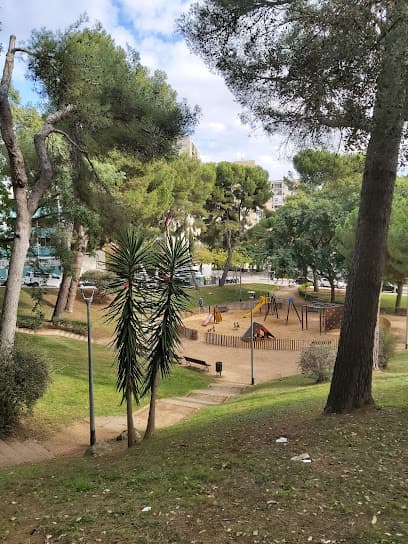
Forget the Gothic Quarter. Forget the polished marble and the overpriced sangria of the center. If you want to see where Barcelona actually lives, breathes, and occasionally breaks a sweat, you take the L3 Metro to the end of the line. You get off at Montbau, a neighborhood that looks like a rationalist dream from the 1950s, and you walk into the Jardins de Montbau. This isn't a garden in the sense of manicured rosebushes and gravel paths for Victorian strolls. This is a functional, tiered green space carved into the side of the Collserola foothills, serving as the backyard for one of the city's most interesting social housing experiments.
The Jardins de Montbau are part of the 'Polígon de Montbau,' a residential project built between 1958 and 1961. It was designed with the CIAM principles in mind—light, air, and greenery for the working class. What you get today is a fascinating juxtaposition of weathered concrete and lush Mediterranean flora. It’s a place where the city’s ego takes a backseat to the simple, repetitive rhythm of daily life. You won't find any 'I Love BCN' t-shirts here. You’ll find retirees in flat caps playing petanca, students from the nearby Mundet campus nursing cheap coffees, and the occasional local athlete punishing themselves on the outdoor gym equipment.
Speaking of the gym, this is one of the primary draws for the locals. It’s a no-frills calisthenics setup—pull-up bars, parallel bars, and benches that have seen better days but still do the job. It’s a protein-shake-free zone where the workout is as honest as the surroundings. The gardens themselves are a series of terraces connected by stone stairs and sloping paths. The smell is the first thing that hits you—a sharp, clean hit of pine needles and damp earth that you just don't get down by the port. Because of the elevation, the air is noticeably cooler, making it a sanctuary during those brutal July afternoons when the city center feels like a convection oven.
As you climb higher through the gardens, the views start to open up. You can see the Mediterranean shimmering in the distance, framed by the rigid, geometric blocks of the housing estate. It’s a view that reminds you that Barcelona is a city of layers—the ancient, the modernist, and the utilitarian. The Jardins de Montbau represent that third layer, the one that often gets ignored by the guidebooks but is arguably the most vital. It’s a place of quiet dignity. There are no entrance fees, no turnstiles, and no one trying to sell you a selfie stick. It’s just a park, doing exactly what it was designed to do sixty years ago: providing a place for people to exist without being sold something.
Is it worth the trek? If you’re looking for Gaudi-esque whimsy, stay on the bus. But if you want to understand the soul of the Horta-Guinardó district, if you want to see the Barcelona that doesn't care if you like it or not, then yes, it’s absolutely worth it. It’s a reminder that the best things in a city are often the ones built for the people who live there, not the people just passing through. Grab a bottle of water, a cheap sandwich from a local bakery, and find a bench. Watch the shadows lengthen over the concrete and listen to the wind in the pines. This is the real deal.
Type
Garden
What People Say
green space(3)gym(2)
Features
Garden
Categories
ArchitectureNatureFitnessLocal Life
Accessibility
- Paved paths available
- Some steep inclines and stairs due to terraced layout
Location
Carrer de la Poesia
Municipality of Horta-Guinardó, Barcelona
Nearby
ATTRACTION
Pla de Montbau
250 m · Municipality of Horta-Guinardó
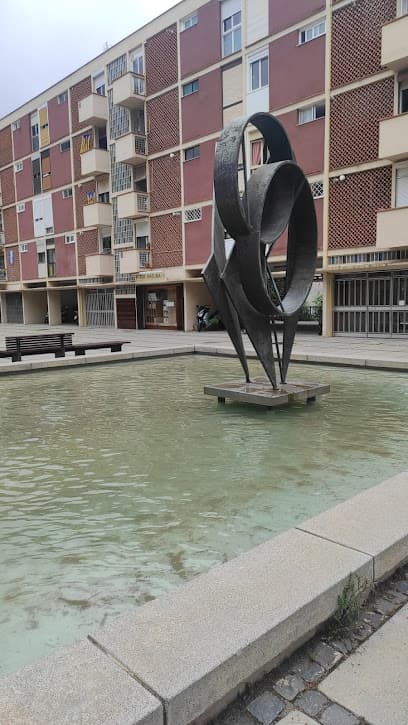
A concrete slab of rationalist soul in the hills of Horta, where the architecture is brutal, the coffee is cheap, and the tourists are blessedly non-existent. Real Barcelona lives here.
4.6(28)
Park
ATTRACTION
La Pinça
250 m · Municipality of Horta-Guinardó
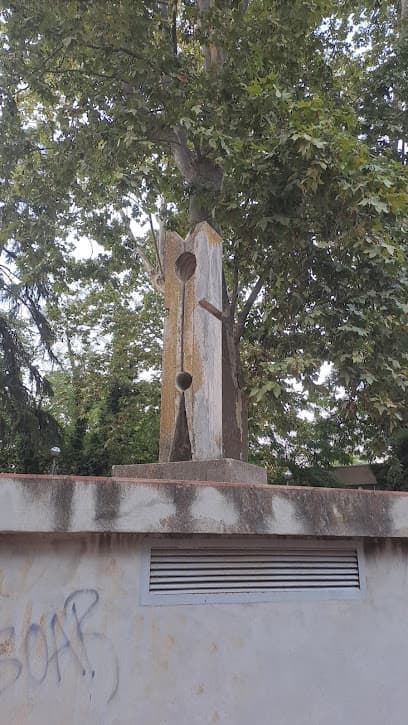
A giant, rusted clothespin clamping down on the letter A—Joan Brossa’s surrealist middle finger to the mundane, standing tall in the quiet hills of Horta-Guinardó.
3.8(17)
Tourist attraction
RESTAURANT
La Terrasseta de Montbau
€€100 m · Municipality of Horta-Guinardó
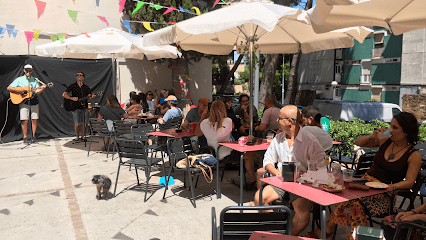
A sun-drenched neighborhood terrace in Montbau where the beer is cold, the burgers are massive, and the tourists are nowhere to be found. Pure, unadulterated Barcelona soul.
4.4(602)
Tapas restaurantHamburger restaurant
RESTAURANT
Esplanada bar restaurante
200 m · Municipality of Horta-Guinardó
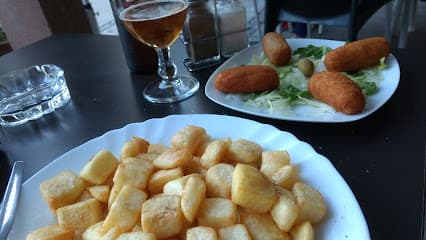
A no-frills neighborhood haunt in Montbau where the beer is cold, the bravas are hot, and the pretense of the city center feels a thousand miles away.
3.5(51)
Bar & grillLounge
HOTEL
Hotel Alimara
€450 m · Municipality of Horta-Guinardó
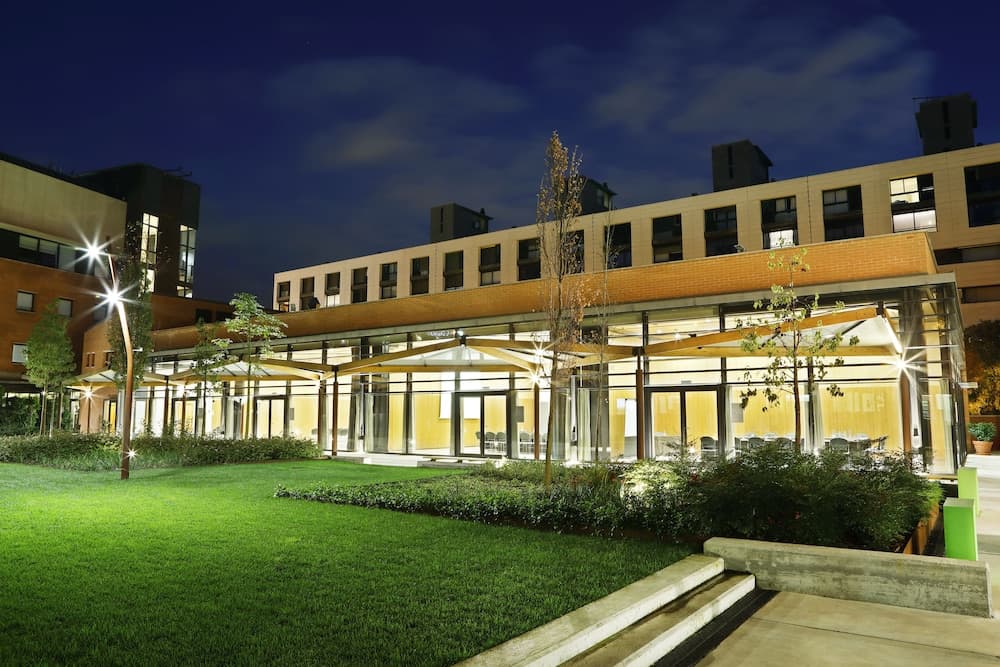
Escape the tourist-choked center for a sleek, quiet refuge in Horta where the next generation of Catalan hospitality is born and the Labyrinth Park is your backyard.
4.2(3K)
Hotel
HOTEL
Hotel Colors
€1000 m · Municipality of Horta-Guinardó
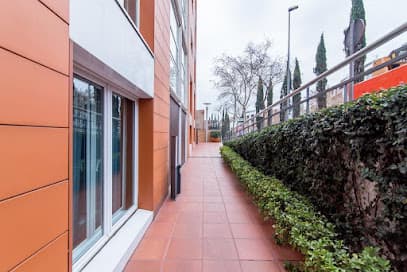
A no-frills outpost in Horta where the walls are bright, the Metro is your lifeline, and you’re far enough from the Rambla to actually hear yourself think and find a parking spot.
3.5(450)
Hotel
Frequently Asked Questions
Is Jardins de Montbau worth visiting?
Only if you want to escape the tourist crowds and see authentic, residential Barcelona. It’s a quiet, functional green space with great local vibes and city views, but it lacks traditional 'tourist' attractions.
What should I know about the outdoor gym at Jardins de Montbau?
It is a basic calisthenics park with pull-up bars and benches. It's popular with locals for bodyweight training and is free to use at any time.
How do I get to Jardins de Montbau?
Take the L3 (Green Line) Metro to the Montbau station. The gardens are a short, uphill walk from the station exit near Carrer de la Poesia.
Is there an entrance fee for Jardins de Montbau?
No, the gardens are a public municipal space and are completely free to enter 24 hours a day.
Reviews
0 reviews for Jardins de Montbau
No reviews yet. Be the first to share your experience!