4.6
34 verified reviews
About
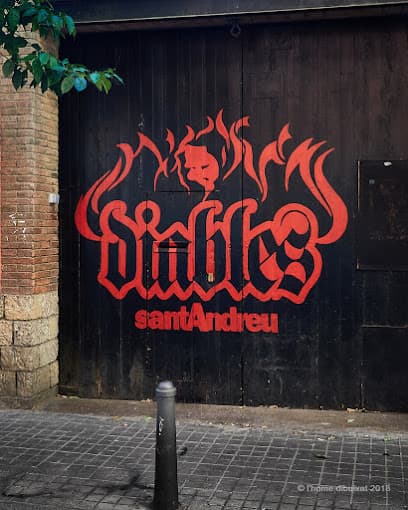
If you’re looking for the sanitized, postcard-perfect version of Barcelona—the one with the overpriced sangria and the guys selling plastic light-up toys on the Rambla—keep walking. Sant Andreu doesn’t want you, and frankly, it doesn’t need you. This is a neighborhood that was a village long before the city swallowed it whole, and it still breathes with a different set of lungs. At the center of that respiratory system, smelling heavily of sulfur and old sweat, is the Diables de Sant Andreu.
Located on Carrer de Ramon Batlle, this isn’t a museum in the sense of velvet ropes and hushed whispers. It’s a 'local'—a headquarters, a workshop, and a social club for the people who keep the ancient, chaotic tradition of the correfoc (fire run) alive. You walk in and the first thing that hits you isn't the lighting; it's the smell. It’s the scent of charred canvas, spent gunpowder, and the kind of history that isn't written in books but burned into the pavement. This is where the 'colla'—the group—gathers to plot their next beautiful, terrifying assault on the senses.
The stars of the show here are the 'bèsties'—the fire-breathing beasts. You’ll find the Gat de Sant Andreu, a massive, menacing feline sculpture that, during festivals, spits sparks and fire from every conceivable angle while being wheeled through narrow streets by people who clearly have a higher tolerance for risk than you do. There’s something deeply honest about it. In a world that’s increasingly padded and child-proofed, the Diables represent a stubborn refusal to let go of the dangerous and the divine.
Visiting the headquarters is a window into the real Barcelona, the one that exists for the locals when the cruise ships leave. You see the heavy, fire-retardant suits hanging like shed skins, the racks of 'tabals' (drums) that provide the heartbeat for the fire runs, and the photos of past glories—nights where the sky turned orange and the air became thick with the roar of the crowd and the hiss of pyrotechnics. It’s a cultural excavation of the best kind. You’re not just looking at artifacts; you’re looking at the tools of a living, breathing, screaming tradition.
The vibe is strictly no-frills. The people here are artisans of chaos. They aren't interested in being your tour guide; they’re interested in the craft of the fire. If you’re lucky enough to be here during a rehearsal or a neighborhood 'festa,' the sound of the drums will rattle your teeth and settle somewhere deep in your chest. It’s a primal, percussive high that makes you realize why this tradition has survived for centuries. It’s about community, it’s about noise, and it’s about the catharsis of fire.
Is it worth the trek out to Sant Andreu? If you give a damn about the soul of Catalonia, then yes. It’s a reminder that culture isn't something that happens on a stage; it’s something that happens in the streets, fueled by gunpowder and a collective middle finger to the mundane. Just don't wear your favorite polyester shirt. Sparks fly, things get loud, and if you’re not careful, you might actually feel something real. This is the best of Barcelona—raw, unfiltered, and smelling of smoke.
Type
Museum, Tourist attraction
Features
Museum
Tourist attraction
Categories
Catalan FolklorePyrotechnicsCommunity CenterTradition
Accessibility
- Ground floor access
- Street level entrance
Location
Carrer de Ramon Batlle, 9
Sant Andreu, Barcelona
Nearby
ATTRACTION
Fàbrica de Creació Fabra i Coats
100 m · Sant Andreu
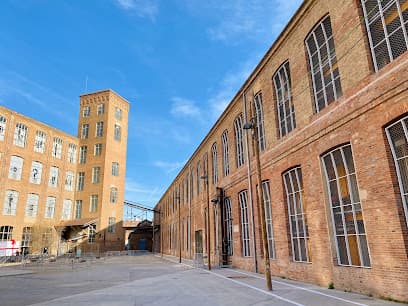
A sprawling, red-brick beast of a textile factory that refused to die, now pumping out raw contemporary art and neighborhood soul in the unvarnished heart of Sant Andreu.
4.4(4K)
MuseumCultural center
ATTRACTION
Can Fontanet
250 m · Sant Andreu
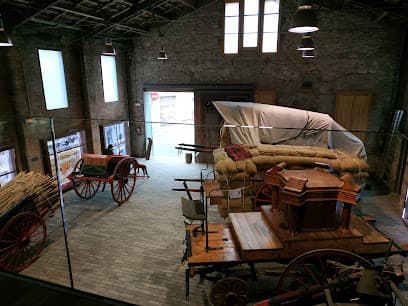
A temple to the heavy-hauling ghosts of Sant Andreu, where the horse-drawn carriages of the Tres Tombs wait for their one day of glory in a city that’s forgotten its working-class pulse.
4.7(32)
MuseumTourist attraction
RESTAURANT
Several cafè
€100 m · Sant Andreu
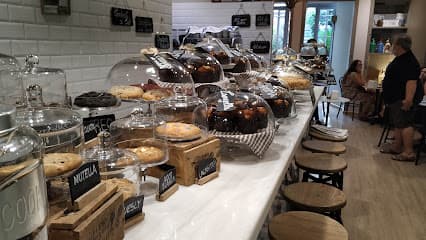
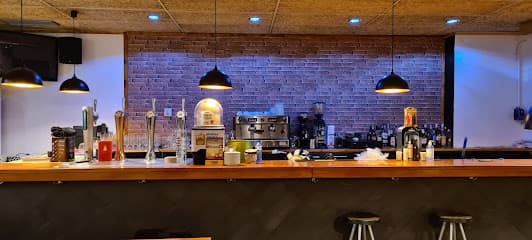
A Sant Andreu haunt where the juice is actually fresh, the focaccia is dangerously oily, and the neighborhood vibe is blissfully free of the usual tourist-clogged nonsense.
4.6(1K)
Coffee shopBreakfast restaurant
RESTAURANT
MDQ
€€100 m · Sant Andreu
A gritty, soulful Sant Andreu corner where Argentinian fire meets Catalan rice. No frills, just killer entraña and arroz caldoso for locals who know exactly where the real city hides.
4.5(1K)
Argentinian restaurant
HOTEL
Hotel d'Entitats Can Guardiola
250 m · Sant Andreu
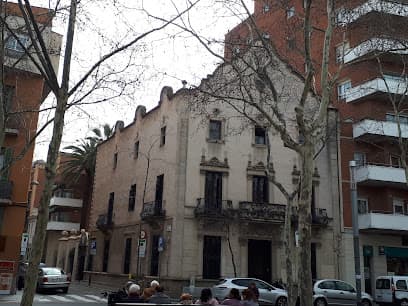
Don't come here looking for a mint on your pillow. This 1920s modernist gem is a 'hotel' for the soul of Sant Andreu, housing the activists and dreamers of the barrio.
4.4(7)
Civic centerEcologists association
HOTEL
ibis Barcelona Meridiana
€800 m · Nou Barris
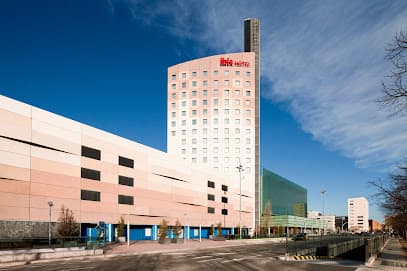
A two-star ibis on Passeig d'Andreu Nin in Nou Barris with paid parking, rated 4.1 from 2,439 Google reviews that mention the metro and a shopping centre.
4.1(2K)
Hotel
Frequently Asked Questions
Is Diables de Sant Andreu worth visiting?
Yes, if you want to see the authentic, gritty side of Catalan culture. It is the headquarters of a traditional fire-running group, offering a raw look at the 'beasts' and drums used in local festivals away from the tourist crowds.
What is a correfoc?
A correfoc, or 'fire run,' is a traditional Catalan festival where groups dressed as devils dance to drums and set off fireworks among the crowd. The Diables de Sant Andreu are one of the city's most respected groups performing this ritual.
How do I get to Diables de Sant Andreu?
Take the L1 (Red Line) Metro to the Sant Andreu stop. From there, it is a short 5-minute walk to Carrer de Ramon Batlle, 9. The neighborhood is very pedestrian-friendly and feels like a separate village.
When is the best time to see the Diables in action?
The best time is during the Festa Major de Sant Andreu in late November or early December, or during La Mercè in September. Check their official website for specific rehearsal times or smaller neighborhood events.
Reviews
0 reviews for Diables de Sant Andreu
No reviews yet. Be the first to share your experience!