4.7
32 verified reviews
About
If you want the soul of Barcelona, you won’t find it under a selfie stick at the Sagrada Família or fighting for air on La Rambla. You have to get on the L1 metro, head north until the tourists start to thin out, and surface in Sant Andreu. This isn’t just another neighborhood; it’s a village that got swallowed by the city but kept its teeth and its memory. At the heart of that memory is Can Fontanet.
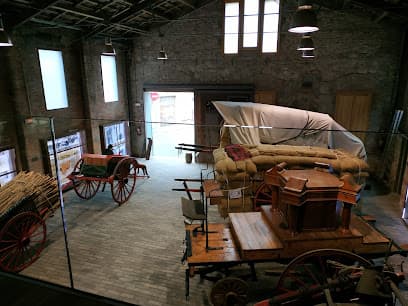
Can Fontanet isn’t a museum in the way most people think of them. There are no velvet ropes or hushed galleries. It’s a former stable, a rugged piece of industrial heritage that now serves as the Interpretation Centre for the Tres Tombs. For the uninitiated, Tres Tombs is the January festival where the city’s animals are blessed—a chaotic, beautiful throwback to a time when horses, not delivery vans, kept the city’s heart beating. Inside this space, the air feels different. It’s heavy with the ghosts of work, smelling faintly of old wood, cold iron, and the imagined scent of leather and sweat.
The stars here are the carriages. These aren’t the gilded, dainty pumpkins of royalty. These are the 'carros de traginers'—the heavy-duty workhorses of the 19th and early 20th centuries. They are massive, imposing structures of timber and steel that hauled flour, coal, and wine across the rugged Catalan landscape. Standing next to them, you feel the sheer physical scale of the past. You see the wear on the wheels and the intricate tack that connected man to beast. It’s a visceral reminder that before Barcelona was a tech hub and a playground for the global elite, it was a place of hard, grinding labor.
What makes Can Fontanet one of the best small-scale museums in Barcelona is its lack of pretension. It’s run by people who actually give a damn about the history of Sant Andreu de Palomar. They’ll tell you about the 'tonis'—the men who keep the Tres Tombs tradition alive—and how this festival isn't just a parade, but a defiant act of cultural preservation. In a city that is rapidly being sanitized for easy consumption, Can Fontanet feels like a thumb in the eye of progress. It’s a place that celebrates the animal, the worker, and the community bond that survives even when the stables are replaced by luxury lofts.
Is Can Fontanet worth visiting? If you’re looking for high-tech interactive screens and a gift shop selling plastic bulls, absolutely not. Stay in the Gothic Quarter. But if you want to understand the grit and the pride of a neighborhood that refuses to be just another zip code, this is essential. It’s one of those rare, unvarnished encounters with the city that hasn't been ruined by a PR firm. It’s quiet, it’s honest, and it’s a window into a world where the rhythm of life was measured by the clip-clop of hooves on cobblestones.
When you leave, walk through the narrow streets of Sant Andreu. Look at the low-slung houses and the hidden plazas. You’ll realize that the carriages in Can Fontanet aren't just relics; they are the DNA of this place. This is the real deal—unvarnished, slightly dusty, and completely unapologetic. It’s the kind of place that reminds you why travel matters in the first place: to find the things that haven't been paved over yet.
Type
Museum, Tourist attraction
Duration
45-60 minutes
Best Time
Saturday mornings when the neighborhood is lively and the center is open for local families.
Guided Tours
Available
What People Say
history(5)party(3)
Features
Museum
Tourist attraction
Categories
HistoryTraditionIndustrial HeritageLocal Culture
Ticket Prices
Free Admission
No tickets required
Opening Hours
- MondayClosed
- Tuesday10 AM to 2 PM
- Wednesday10 AM to 2 PM
- Thursday10 AM to 2 PM
- Friday10 AM to 2 PM
- Saturday10 AM to 2 PM
- Sunday10 AM to 2 PM
Must-See Highlights
The massive 'carros de traginers' (carrier carts)
The collection of traditional harnesses and tack
The historic stable architecture of the Can Fontanet building
Visitor Tips
Check the temporary address before visiting as they sometimes relocate for renovations.
Combine your visit with a walk through the historic streets of Sant Andreu de Palomar for the full village-within-a-city vibe.
If you are in Barcelona in mid-January, don't miss the actual Tres Tombs parade.
Good For
History buffsFamilies with childrenNeighborhood explorersPhotography enthusiasts
Why Visit
Authentic industrial stable architecture preserved in the heart of Sant Andreu.
The most significant collection of working horse-drawn carriages in Catalonia.
A deep-dive into the 'Tres Tombs' tradition, free from the usual tourist crowds.
Nearby Landmarks
- 5-minute walk from Fabra i Coats Centre d'Art Contemporani
- 8-minute walk from Plaça d'Orfila
- 8-minute walk from Church of Sant Andreu de Palomar
- 10-minute walk from Sant Andreu Metro (L1)
Accessibility
- Ground floor access
- Wide doorways for carriages
- Accessible restrooms
Location
Carrer de Sant Adrià, 18 (Temporalment, Carrer de Parellada, 27
Sant Andreu, Barcelona
Nearby Hotels
Nearby Restaurants
In Sant Andreu
ATTRACTION
Camsbio,S.L
Sant Andreu
Not a park for picnics, but the workshop where Barcelona’s green future is built. Camsbio is the grit behind the city's vertical gardens and bio-construction.
0.0(0)
Park
ATTRACTION
Multan los Domingos
Sant Andreu
A defiant slice of Sant Andreu where industrial ruins meet community gardens. It’s the anti-tourist Barcelona: raw, brick-heavy, and smelling of vermut and rebellion.
0.0(0)
Garden
ATTRACTION
Plaça d'Albert Badia i Mur
Sant Andreu
A gritty, honest slice of Sant Andreu where the 'Cases Barates' history meets modern life. No Gaudí here—just real people, a playground, and the unvarnished soul of Bon Pastor.
0.0(0)
Park
Frequently Asked Questions
Is Can Fontanet worth visiting?
Yes, if you value authentic local history over tourist spectacles. It offers a rare, unvarnished look at Barcelona's agricultural and industrial past through its impressive collection of horse-drawn carriages.
What is the Tres Tombs festival?
It is a traditional Catalan festival held in January (around St. Anthony Abbot's day) featuring a parade of horses and carriages to bless animals. Can Fontanet serves as the year-round home for the history and vehicles of this event.
How do I get to Can Fontanet?
Take the Metro L1 (Red Line) to the Sant Andreu station. From there, it is a short walk through the historic center of the neighborhood to reach the center.
Is there an entry fee for Can Fontanet?
Admission is typically free, as it is a municipal cultural center, but it is always wise to check their official website for current opening hours and any special event closures.
Reviews
0 reviews for Can Fontanet
No reviews yet. Be the first to share your experience!