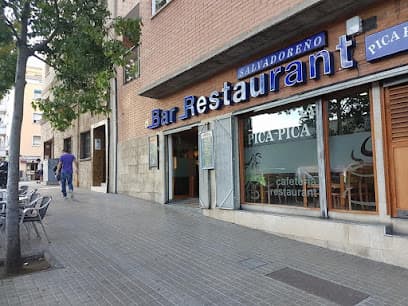
4.3
1,249 verified reviews
About
If you’re looking for the Barcelona of the postcards—the sun-drenched plazas, the Gaudí curves, the overpriced sangria—you’ve taken the wrong metro line. Get off at Canyelles, walk toward the concrete sprawl of Nou Barris, and look for Restaurante y pupusería Pica-Pica. This is the real city. This is where the people who actually keep Barcelona running come to eat when they’re homesick for San Salvador. It’s loud, it’s unpretentious, and it smells like sizzling lard and toasted corn. It’s beautiful.
Walking into Pica-Pica is a sensory slap to the face. There is no 'ambiance' here in the way a designer understands it. The lighting is bright, the tables are functional, and the walls are likely decorated with things that mean something to the owners rather than a mood board. You’ll hear the rhythmic slapping of hands against masa—the heartbeat of any real pupusería. That’s the sound of someone who knows exactly what they’re doing, shaping thick tortillas of corn flour around fillings of molten cheese, refried beans, and ground pork.
Let’s talk about the pupusa, because that is why you are here. This is the best Salvadoran restaurant Barcelona has to offer for one reason: they don't compromise. When you order the pupusa revuelta, you aren't getting a dainty snack. You’re getting a heavy, grease-slicked disc of soul-saving protein. The edges should be slightly charred from the plancha, giving you that bitter, smoky crunch before you hit the soft, steaming interior. And then there’s the loroco—an edible flower bud from Central America that tastes like a cross between asparagus and nuts. If they have it, order it. It’s the taste of a landscape thousands of miles away, transported to a working-class neighborhood in northern Barcelona.
But the pupusa is only half the story. The other half is the curtido. This fermented cabbage relish is the acidic backbone that cuts through the fat. At Pica-Pica, it’s crunchy, sharp, and carries just enough heat to remind you you’re alive. You pile it on top until you can barely see the dough, douse it in the thin, savory tomato salsa, and eat it with your hands. If you’re using a fork, you’re doing it wrong, and everyone in the room knows it.
This is one of those cheap eats Barcelona locals keep to themselves. You’ll see multi-generational families crowded around tables, kids sticky with Kolashampan—that neon-orange soda that tastes like bubblegum and nostalgia—and old men nursing beers, staring at the football on the TV. It’s a community hub. The service is brisk, bordering on indifferent if they don’t know you, but that’s because they’re busy. They aren't here to perform; they’re here to feed a neighborhood.
Is it worth the trek to Nou Barris? If you care about food that has a pulse, yes. If you want to understand the immigrant fabric that makes modern Barcelona more than just a museum of Gothic stones, absolutely. You might have to wait for a table on a Sunday afternoon, and the noise level might reach a dull roar, but when that plate of steaming yuca con chicharrón hits the table, none of that matters. The pork is crispy, the yuca is starchy and soft, and for a moment, the Mediterranean feels very, very far away. This is honest, unapologetic cooking that doesn't give a damn about your Instagram feed. It just wants to fill your stomach and remind you that the best things in life are usually found at the end of a long metro ride.
Cuisine
Salvadoran restaurant
Price Range
€10–20
What People Say
house(10)country(10)traditional food(9)fruit juice(7)soda(7)garnish(6)degustation(6)parking(5)
Cuisine & Features
Salvadoran restaurant
Opening Hours
- MondayClosed
- TuesdayClosed
- Wednesday1 to 10:45 PM
- Thursday1 to 10:45 PM
- Friday1 to 10:45 PM
- Saturday1 to 10:45 PM
- Sunday1 to 10:45 PM
Dietary Options
Vegetarian pupusas available (cheese and bean or loroco)Gluten-free options (corn-based masa)
Good For
FamiliesBudget travelersAuthentic food seekersGroups
Why Visit
Hand-slapped pupusas made to order on a traditional plancha
Authentic Salvadoran ingredients like loroco and Kolashampan soda
Unfiltered, local atmosphere in the heart of the Nou Barris neighborhood
Nearby Landmarks
- 5-minute walk from Canyelles Metro Station
- 10-minute walk from Parc de la Guineueta
- 12-minute walk from Parc Central de Nou Barris
Location
Via Favència, 217, 221
Nou Barris, Barcelona
In Nou Barris
ATTRACTION
Plaça Verda de la Prosperitat
Nou Barris
A concrete-and-chlorophyll middle finger to urban neglect, where Nou Barris locals reclaim their right to breathe, drink, and exist far from the suffocating Sagrada Familia crowds.
0.0(0)
ATTRACTION
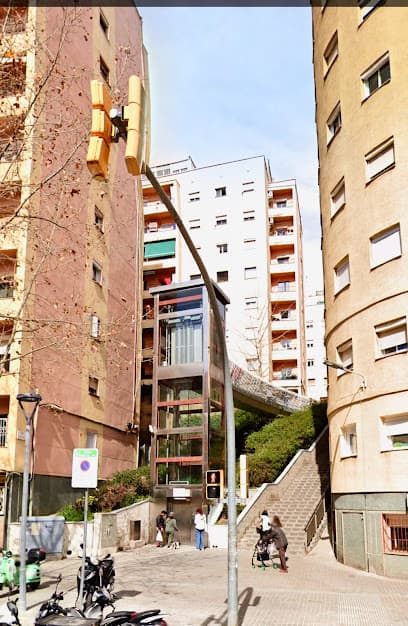
Ascensor Canfranc - Paseo de Fabra y Puig 08031 Nou Barris
Nou Barris
A glass-and-steel lifeline in Nou Barris that saves your knees and offers a gritty, honest view of the Barcelona tourists usually ignore. No gift shops, just gravity-defying utility.
0.0(0)
ATTRACTION
Carrer pimoli42
Nou Barris
The anti-tourist Barcelona. A gritty, honest stretch of Nou Barris where the Gaudí magnets disappear and the real city begins over cheap beer and the smell of rotisserie chicken.
0.0(0)
Frequently Asked Questions
Is Restaurante y pupusería Pica-Pica worth the trip to Nou Barris?
Yes, if you want authentic Salvadoran food. It is widely considered one of the most genuine pupuserías in Barcelona, offering a real taste of Central America far from the tourist center.
What should I order at Pica-Pica?
The pupusas revueltas (pork, beans, and cheese) are the signature. Also, try the yuca con chicharrón and the Sopa de Gallina India if you're looking for a hearty, traditional meal.
Do I need a reservation at Pica-Pica?
They generally don't take reservations for small groups, and it gets very crowded on weekends. Arrive early or be prepared to wait with the locals.
How do I get to Pica-Pica from central Barcelona?
Take the L3 (Green Line) metro to Canyelles. From there, it's about a 5-10 minute walk to Via Favència. It's a bit of a trek, but the food justifies the journey.
Reviews
0 reviews for Restaurante y pupusería Pica-Pica
No reviews yet. Be the first to share your experience!