4.7
739 verified reviews
About
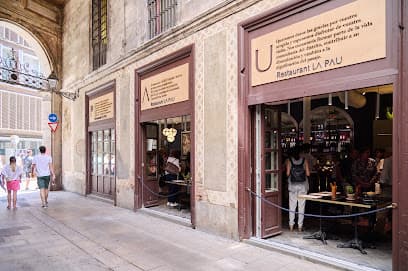
You’re a stone’s throw from the bottom of La Rambla, a place usually reserved for human statues, pickpockets, and the kind of frozen-margarita-and-cardboard-pizza joints that make me want to weep for humanity. But then you turn a corner onto Carrer de Josep Anselm Clavé and find Restaurant La Pau. It’s a miracle of sorts, a place that doesn’t just feed your face, but actually stands for something in a city increasingly sold off to the highest bidder.
This isn’t just a dining room; it’s a social project run by Fundació El Llindar. The kids in the kitchen and on the floor? They’re the ones the traditional school system chewed up and spat out. Here, they’re learning the trade, and let me tell you, they’re doing it with more heart and precision than half the jaded pros uptown. The space itself is a piece of history—the former headquarters of a workers' cooperative. It feels like it. High ceilings, industrial bones, and an energy that says something real is happening here. It’s clean, it’s sharp, and it’s devoid of the usual tourist-trap bullshit.
Let’s talk about the food, because if the food sucked, the social mission wouldn’t matter. It doesn’t suck. It’s a love letter to the Catalan kitchen. You start with the croquettes. They are, quite frankly, a revelation—crispy shells giving way to a creamy, molten interior that tastes like someone’s grandmother actually gives a damn. The menu changes, but if you see the 'Cap i pota,' order it. It’s a traditional stew of calf’s head and foot, a gelatinous, rich, deeply savory masterpiece that separates the real eaters from the tourists looking for a burger. It’s the kind of dish that sticks to your ribs and stays in your memory.
Then there’s the rice. In a city where 'paella' is often a yellow-dyed crime against gastronomy served on a plastic tablecloth, La Pau treats it with respect. The grains are distinct, the socarrat—that toasted, caramelized crust at the bottom of the pan—is present and accounted for, and the flavors are balanced. Whether it’s a mountain-style rice with meat or something from the sea, it tastes of the landscape. They aren't reinventing the wheel here; they're just making sure the wheel is perfectly round and polished.
The service is where the heart of the project really beats. You might see a moment of hesitation or a nervous smile from a young server, but it’s backed by a genuine desire to get it right. It’s a far cry from the indifferent shrug you’ll get at the big-name spots. There’s a pride in the air that you can practically taste. You’re watching people reclaim their futures over plates of cannelloni and glasses of local wine.
Is it perfect? No. It’s better than perfect. It’s honest. It’s a place where the bill won’t make you wince, and the money you spend is actually going back into the community. It’s one of the best restaurants in Ciutat Vella because it refuses to be cynical. If you want to see the real Barcelona—the one that fights, the one that cooks with soul, the one that looks after its own—sit down at a table here. Eat the rice. Drink the wine. Leave a big tip. This is what dining should be about.
Price Range
€20–30
What People Say
project(32)croquettes(31)paella(16)presentation(13)sangria(12)garnish(11)society(10)discovered(9)
Opening Hours
- Monday9 AM to 5 PM
- Tuesday8 AM to 5 PM
- Wednesday8 AM to 5 PM
- Thursday8 AM to 12 AM
- Friday8 AM to 12 AM
- Saturday8 AM to 12 AM
- Sunday12:30 to 5 PM
Dietary Options
Vegetarian friendlyGluten-free options
Good For
Meaningful diningAuthentic local foodSmall groupsCasual dates
Why Visit
Social integration project providing professional training for youth
Located in a historic former workers' cooperative building
Exceptional price-to-quality ratio for traditional Catalan gastronomy
Nearby Landmarks
- 5-minute walk from Columbus Monument
- 6-minute walk from Drassanes Metro Station
- 8-minute walk from Maritime Museum of Barcelona
Location
Carrer de Josep Anselm Clavé, 19
Ciutat Vella, Barcelona
In Ciutat Vella
ATTRACTION
Park
Ciutat Vella
A thousand years of silence tucked behind a Romanesque monastery, where the grit of El Raval dissolves into ancient stone, cool shadows, and the heavy weight of history.
0.0(0)
ATTRACTION
BARSHELONA
Ciutat Vella
Forget the plastic bulls and tacky magnets. This is where Barcelona’s soul is bottled into art, a small sanctuary of local design hidden in the shadows of the Gothic Quarter.
0.0(0)
ATTRACTION
Minajoe art
Ciutat Vella
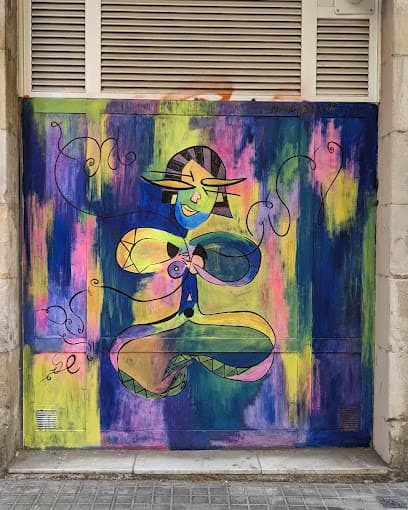
A raw, paint-splattered antidote to the sterile museum circuit. This is where pop-art meets the grit of the street, served straight from the artist’s hands in the heart of old Barcelona.
0.0(0)
Frequently Asked Questions
Is Restaurant La Pau worth visiting?
Absolutely. It offers some of the most authentic and high-quality Catalan cuisine in Ciutat Vella, with the added benefit of supporting a social project that trains at-risk youth.
What should I order at Restaurant La Pau?
Do not miss the croquettes, which are widely considered some of the best in the city. The 'Cap i pota' and their seasonal rice dishes (paella) are also highly recommended.
Do I need a reservation for Restaurant La Pau?
While walk-ins are sometimes possible, it is a popular spot for locals and those in the know, so booking a table via their website is recommended, especially for dinner.
Reviews
0 reviews for Restaurant La Pau
No reviews yet. Be the first to share your experience!