About
Step off the Avinguda del Paral·lel, a concrete artery that smells of bus exhaust and cheap gin, and cut deep into the Raval. You’re looking for Carrer l'Hort de Sant Pau. Most people—the ones clutching their phones and hunting for the next Instagrammable brunch spot—walk right past it. Their loss. Behind a weathered stone wall lies the Jardins de Sant Pau del Camp, and if you have any appreciation for the unvarnished bones of a city, this place will hit you like a shot of strong espresso.
This isn’t a park in the way most people think of parks. There are no manicured rose bushes or whimsical fountains here. It is the courtyard of the Monestir de Sant Pau del Camp, the oldest church in Barcelona, a Romanesque survivor that has been standing its ground since the 9th century. While the rest of the city was busy tearing itself down and rebuilding in glass and steel, this place just stayed put. It’s seen the Moors, the crusaders, the anarchists, and the tourists, and it doesn't seem particularly impressed by any of them.
The air changes when you walk through the gate. The frantic, jagged energy of the Raval—the shouting vendors, the clatter of skateboards, the low-level hum of urban desperation—just evaporates. It’s replaced by a silence so thick you can almost taste it. The gardens are simple, shaded by ancient trees that look like they’ve seen a few things they aren’t telling. You’re standing on ground that has been considered sacred for over a millennium. That kind of history has a physical weight to it.
The star of the show, if you can call it that, is the monastery itself. It’s small, squat, and built like a fortress. The cloisters are the real draw—tiny, intimate, and featuring polylobed arches that hint at the Moorish influence that once defined this peninsula. It’s a masterclass in Romanesque architecture, stripped of the gaudy gold and pretension of the later Gothic cathedrals. This is religion for the working man, for the soldier, for the survivor. It’s heavy stone and dim light, and it’s beautiful in its absolute refusal to be pretty.
Is it worth visiting? If you’re looking for a playground or a place to kick a football, absolutely not. Go to Ciutadella for that. But if you want to understand the soul of Barcelona—the part that existed before the cruise ships and the luxury boutiques—then yes, it’s essential. It’s one of the best hidden spots in Barcelona precisely because it doesn't try to be a 'spot' at all. It just is.
The Raval neighborhood gets a bad rap for being 'gritty,' which is usually code for 'poor people live here.' But that grit is what makes a place like Sant Pau del Camp feel real. You have this ancient, spiritual sanctuary surrounded by one of the most densely populated, chaotic, and vibrant neighborhoods in Europe. That contrast is the whole point. You can spend an hour sitting on a bench here, watching the light shift across the stone, and then walk fifty yards and be back in the middle of a riot of cultures, smells, and noise. It’s a palate cleanser for the soul.
Don't expect a gift shop. Don't expect a cafe. Just bring yourself, a bit of respect, and maybe a book you’ll never actually open because you’re too busy staring at the way the sun hits the bell tower. It’s a reminder that while the world outside is screaming for your attention, the stone stays silent. And sometimes, silence is exactly what you need to hear.
Type
Park
Features
Park
Categories
ArchitectureHistoryReligious SitePark
Accessibility
- Ground level access to gardens
- Partial accessibility for the monastery interior
Location
Carrer l'Hort de Sant Pau, 2
Ciutat Vella, Barcelona
Nearby
ATTRACTION
El Gat Zigzag
50 m · Ciutat Vella
A gritty, neon-soaked sanctuary of Raval street soul. Forget the Rambla's plastic trinkets; this is where the neighborhood’s feline spirit gets its ink and edge.
0.0(0)
Tourist attraction
ATTRACTION
Mural
100 m · Ciutat Vella
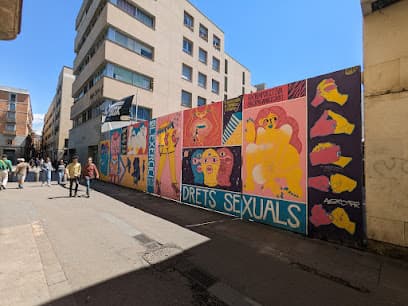
A surrealist collision of paint on a blind wall, this 1989 masterpiece by Arranz-Bravo and Bartolozzi is the unvarnished soul of the Raval neighborhood.
4.0(3)
Tourist attraction
RESTAURANT
Rincón Del Raval
€100 m · Ciutat Vella
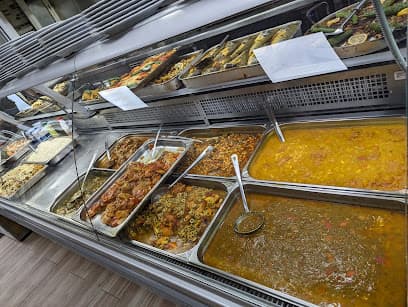
A no-nonsense Moroccan sanctuary in the heart of the Raval where the couscous is steamed with soul and the tagines hum with the deep, dark sweetness of prunes and lamb.
4.4(588)
Restaurant
RESTAURANT
Chilango's
€€100 m · Ciutat Vella
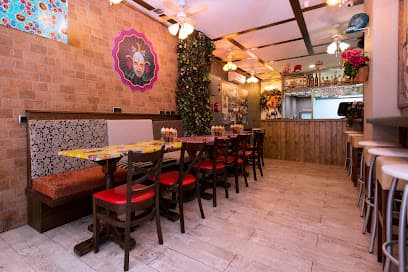
A loud, grease-slicked temple to the taco on the gritty edge of Poble-sec. No frills, just slow-cooked cochinita pibil, lethal micheladas, and the best tres leches in the city.
4.6(4K)
Mexican restaurantTaco restaurant
HOTEL
Hotel Casa Teva
€€€150 m · Ciutat Vella
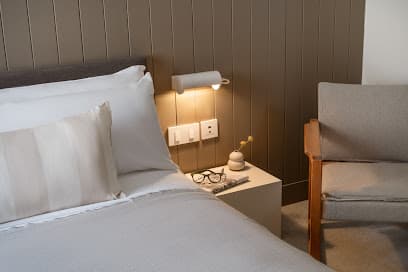
Tucked into the gritty, beating heart of El Raval, Casa Teva is a masterclass in understated cool, where Michelin-grade cooking meets a room that actually feels like home.
4.8(66)
Hotel

HOTEL
Hotel Best Auto Hogar
€150 m · Ciutat Vella
A functional, no-nonsense outpost on the gritty, theater-lined Paral·lel where the metro is at your doorstep and the ghosts of old Barcelona cabarets still linger in the air.
3.8(1K)
HotelBar
Frequently Asked Questions
Is Jardins de Sant Pau del Camp worth visiting?
Yes, if you appreciate history and quiet. It is the site of the oldest church in Barcelona and offers a rare, peaceful Romanesque atmosphere that feels worlds away from the city's tourist crowds.
What is the best time to visit Sant Pau del Camp?
Visit in the morning or late afternoon when the light hits the Romanesque cloisters. It's rarely crowded, but the shadows and silence are most evocative during these times.
How do I get to Jardins de Sant Pau del Camp?
Take the L3 Metro to the Paral·lel station. From there, it's a short 5-minute walk into the Raval neighborhood via Carrer de Sant Pau.
Do I need tickets for the monastery?
While the surrounding gardens are often accessible, there is a small fee (usually around €5) to enter the monastery and its famous cloisters. It is well worth the price for the historical depth.
Reviews
0 reviews for Park
No reviews yet. Be the first to share your experience!