4.3
699 verified reviews
About
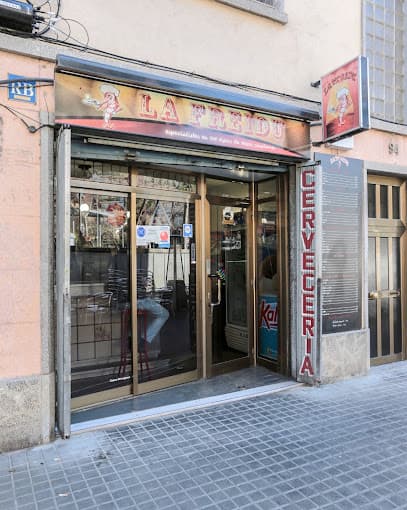
Forget the Gothic Quarter. Forget the Eixample with its curated gin tonics and menus translated into six languages. If you want to see the heart of the city that hasn't been scrubbed clean for a cruise ship audience, you get on the Yellow Line and you ride it north until the architecture gets blocky and the air feels a little more honest. You get off at Via Júlia, in the heart of Nou Barris, and you look for La Freidu.
This isn't a place for a 'gastronomic adventure.' It’s a place for a fry-up. The name itself is a local shorthand for a freiduria—a place that specializes in the ancient, noble art of dropping things into hot oil until they become delicious. When you walk in, the first thing that hits you isn't a scented candle; it’s the glorious, heavy scent of sizzling olive oil and the machine-gun rattle of plates hitting the bar. It’s loud. It’s crowded. It’s exactly what a neighborhood bar should be.
The menu is a greatest hits collection of the Spanish working class. You’re here for the bocadillos—massive, crusty batons of bread stuffed with lomo, tortilla, or whatever else the kitchen has prepped. These aren't delicate tea sandwiches; they are fuel for the people who keep this city running. The 'bocadillo de lomo con queso' is a masterclass in simplicity: salt, fat, and bread. It’s the kind of thing you eat with both hands while leaning against a bar that has seen more history than most museums.
Then there are the croquetas. In the fancy spots downtown, they’ll try to sell you croquettes infused with truffle oil or liquid nitrogen. Here, they taste like someone’s grandmother spent the morning over a pot of béchamel. They are crispy on the outside, molten on the inside, and unapologetically rich. The pescaíto frito—small fried fish—arrives in a heap, golden and salty, demanding to be washed down with a cold caña or a glass of house vermouth that probably costs less than a subway ticket.
The service at La Freidu is efficient in a way that might feel surly to the uninitiated. Don't expect a waiter to ask you about your day or explain the 'concept' of the restaurant. The concept is: you’re hungry, they have food, now sit down and eat. It’s a beautiful, transactional honesty. You’ll see families sharing platters of patatas bravas—the real kind, with a spicy kick that lingers—and old men arguing over the latest Barça match with a level of passion usually reserved for blood feuds.
Is it worth the trek? If you’re looking for 'best tapas Barcelona' and you want the version that hasn't been filtered through a PR agency, then yes. It’s one of the best cheap eats Barcelona has left. It’s a reminder that despite the encroaching tide of globalized brunch spots, there are still corners of this city that refuse to change. It’s gritty, it’s greasy, and it’s absolutely essential. If you can’t handle a little noise and a floor that might be a bit sticky, stay in the city center. But if you want the truth, it’s waiting for you on Via Júlia.
Cuisine
Tapas bar, Bar
Price Range
€10–20
What People Say
bocadillos(12)croquettes(11)environment(8)patatas bravas(8)fried(7)products(7)mussels(6)flat roof(6)
Cuisine & Features
Tapas bar
Bar
Opening Hours
- MondayClosed
- Tuesday7 AM to 11 PM
- Wednesday7 AM to 11 PM
- Thursday7 AM to 11 PM
- Friday7 AM to 11 PM
- Saturday7 AM to 11 PM
- SundayClosed
Dietary Options
Vegetarian options available
Good For
GroupsFamiliesSolo dinersBudget travelers
Why Visit
Authentic 'Freiduria' style specializing in traditional fried tapas
Legendary oversized bocadillos that are a local staple
True neighborhood atmosphere untouched by mass tourism
Nearby Landmarks
- 2-minute walk from Via Júlia Metro Station
- 8-minute walk from Parc de la Guineueta
- 12-minute walk from Turó de la Peira park
Location
Via Júlia, 94
Nou Barris, Barcelona
In Nou Barris
ATTRACTION
Plaça Verda de la Prosperitat
Nou Barris
A concrete-and-chlorophyll middle finger to urban neglect, where Nou Barris locals reclaim their right to breathe, drink, and exist far from the suffocating Sagrada Familia crowds.
0.0(0)
ATTRACTION
Ascensor Canfranc - Paseo de Fabra y Puig 08031 Nou Barris
Nou Barris
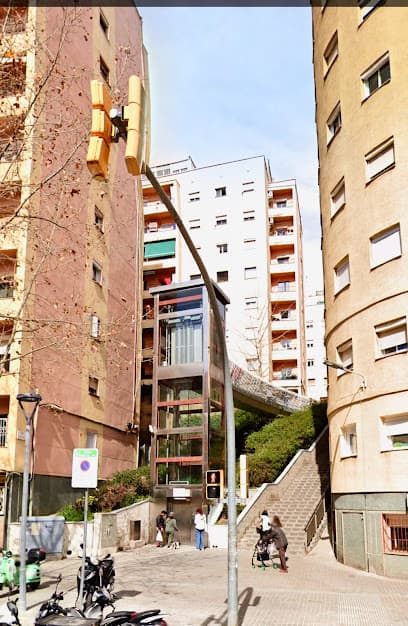
A glass-and-steel lifeline in Nou Barris that saves your knees and offers a gritty, honest view of the Barcelona tourists usually ignore. No gift shops, just gravity-defying utility.
0.0(0)
ATTRACTION
Carrer pimoli42
Nou Barris
The anti-tourist Barcelona. A gritty, honest stretch of Nou Barris where the Gaudí magnets disappear and the real city begins over cheap beer and the smell of rotisserie chicken.
0.0(0)
Frequently Asked Questions
Is La Freidu worth visiting?
Yes, if you want an authentic, no-frills neighborhood experience far from the tourist crowds. It offers some of the best value-for-money tapas and bocadillos in the city.
What should I order at La Freidu?
The signature items are the bocadillos (sandwiches), particularly the lomo con queso, and their homemade croquettes. The pescaíto frito (fried fish) is also highly recommended by locals.
How do I get to La Freidu?
Take the L4 (Yellow Line) Metro to the Via Júlia station. The restaurant is a short 2-minute walk from the station exit at Via Júlia, 94.
Reviews
0 reviews for La Freidu
No reviews yet. Be the first to share your experience!