4.8
948 verified reviews
About
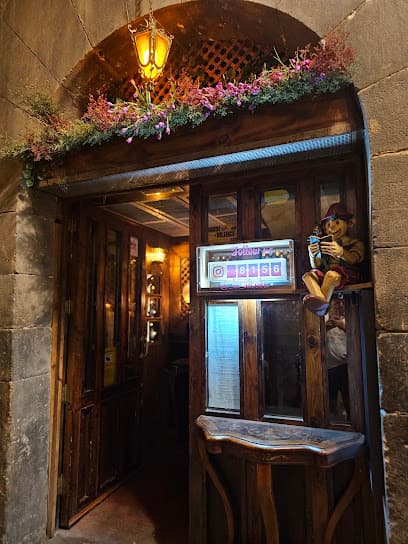
Walk deep enough into the labyrinth of the Call—Barcelona’s ancient Jewish Quarter—and the sunlight starts to feel like a distant memory. The streets narrow until they’re barely a shoulder-width apart, smelling of old stone and damp history. This is where you find Brugarol. It doesn’t announce itself with neon or a frantic host waving a laminated menu. It’s a discreet, dark-wood-and-iron sanctuary that feels more like a Tokyo speakeasy than a Mediterranean tapas joint.
Brugarol is doing something that should, on paper, be a disaster: Japanese-Catalan fusion. Usually, that’s code for 'we put soy sauce on a croqueta and charged you twenty euros.' But here, it’s different. The DNA of this place is rooted in the soil of their own farm, Finca Brugarol in Palamós. They aren’t just buying ingredients; they’re growing the soul of the menu. We’re talking about zero-kilometer produce, eggs, and wine brought down from the Empordà and handed over to a kitchen that treats a piece of fish with the reverence of a religious relic.
The space is tiny. If you’re looking for a sprawling terrace to people-watch while sipping a watered-down sangria, keep walking. You want a seat at the counter. That’s the front-row seat to the theater of the tweezers. You watch the chefs work with a quiet, surgical intensity, assembling plates that look like minimalist art but taste like a punch in the gut.
Start with the beef tartare. It’s a recurring character in the reviews for a reason. It’s not just chopped meat; it’s a truffled, umami-heavy revelation that makes you realize you’ve been eating garbage elsewhere. Then there’s the scallop with foie gras—a decadent, slippery marriage of land and sea that feels almost illegal. The menu shifts with the seasons because that’s what happens when you actually give a damn about the land, but the hits usually involve some variation of miso-marinated seafood or a slow-cooked egg that’ll make you want to weep.
Is it expensive? It’s not cheap, but for the level of technical skill and the quality of the raw materials, it’s one of the best value-for-money tasting menus in the Ciutat Vella. It’s the kind of place where you lose track of time. You’re three glasses deep into a robust red from their own vineyard, the lighting is low, the stone walls are whispering stories from the 14th century, and for a moment, the tourist-choked chaos of the nearby Rambla feels like it’s on another planet.
There are flaws, sure. If you’re claustrophobic, the tight quarters might get to you. The service can be deliberate—don’t come here if you’re in a rush to catch a flamenco show. But if you want to see what happens when Catalan tradition is filtered through a Japanese lens without losing its honesty, this is the spot. It’s a reminder that even in the most trampled parts of the Gothic Quarter, there are still people doing the real work, tucked away in the shadows, serving up the best Japanese-Catalan fusion Barcelona has to offer.
What People Say
tasting menu(143)course(43)michelin(30)beef tartare(24)creative(22)truffle(22)sashimi(21)culinary(13)
Opening Hours
- Monday1 to 3:30 PM, 7:30 to 10:30 PM
- Tuesday7:30 to 11:30 PM
- Wednesday7:30 to 11:30 PM
- Thursday1 to 3:30 PM, 7:30 to 10:30 PM
- Friday1 to 3:30 PM, 7:30 to 10:30 PM
- Saturday1 to 3:30 PM, 7:30 to 10:30 PM
- Sunday1 to 3:30 PM, 7:30 to 10:30 PM
Dietary Options
Gluten-free friendlySeafood-heavyMeat-focused
Location
Carrer de Salomó ben Adret, 10
Ciutat Vella, Barcelona
Nearby
RESTAURANT
Bistrot Levante
€€50 m · Ciutat Vella
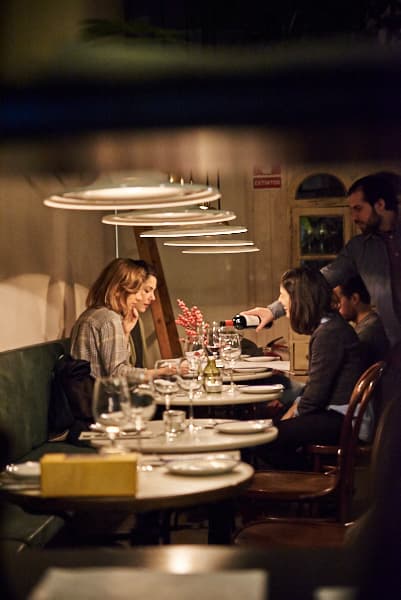
A sanctuary of natural wine and Middle Eastern soul tucked into a quiet Gothic corner, where the hummus is silk and the vibe is blissfully devoid of the usual tourist kitsch.
4.4(776)
RestaurantBar & grill
RESTAURANT
La Alcoba Azul
€€50 m · Ciutat Vella
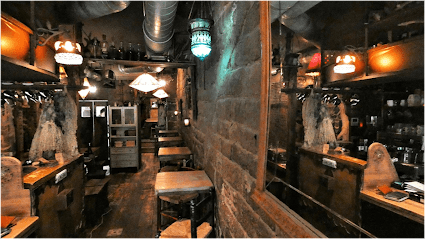
A tapas bar on Carrer de Salomó ben Adret in Ciutat Vella, open daily noon to 1 AM, rated 4.7 from 4,208 Google reviews.
4.7(4K)
Tapas bar
HOTEL
Hotel Neri
€€€50 m · Ciutat Vella
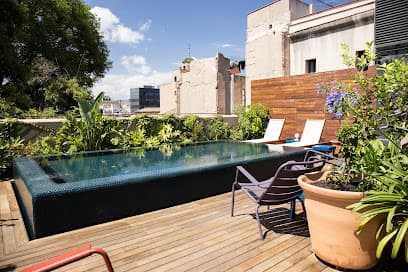
A medieval palace turned sanctuary tucked into the Gothic Quarter’s most hauntingly beautiful square, where 12th-century stone meets silk, shadows, and a killer rooftop bar.
4.4(565)
HOTEL
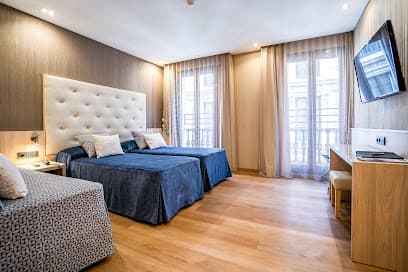
Hotel Gargallo Rialto
€100 m · Ciutat Vella
Sleep in the birthplace of Joan Miró. A historic, no-nonsense stone bastion standing firm amidst the unrelenting grind of the Gothic Quarter’s most famous street.
3.9(2K)
ATTRACTION
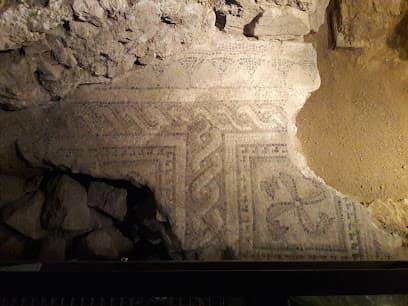
MUHBA Domus Sant Honorat
50 m · Ciutat Vella
A subterranean punch to the gut where 4th-century Roman luxury meets medieval grit. Forget the postcards; this is the raw, layered skeleton of Barcelona buried beneath the Gothic Quarter.
4.2(36)
ATTRACTION
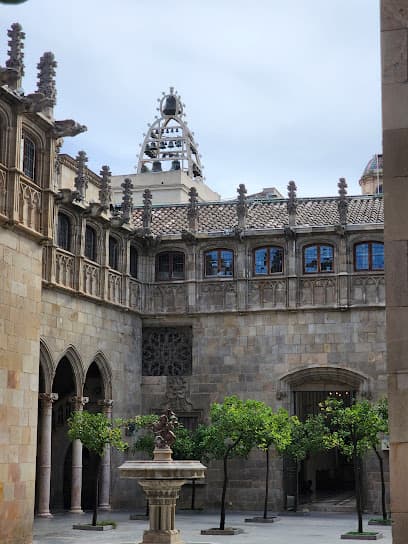
Pati dels Tarongers
50 m · Ciutat Vella
A Renaissance sanctuary of orange trees and marble tucked inside the seat of Catalan power, where the scent of citrus meets five centuries of political drama.
4.8(13)
Frequently Asked Questions
Is Brugarol Barcelona worth visiting?
Absolutely. It offers one of the most creative and high-quality tasting menus in the city, blending Japanese technique with ingredients from their own farm at a price point that beats most Michelin-starred competitors.
What should I order at Brugarol?
The tasting menu is the way to go to experience the full range of the kitchen, but don't miss the beef tartare with truffle or the scallop with foie gras if ordering à la carte.
Do I need a reservation for Brugarol?
Yes, reservations are highly recommended. The space is very small and intimate, with limited counter seating that fills up quickly, especially on weekends.
Is Brugarol good for groups?
Not really. The restaurant is tiny and best suited for couples or solo diners at the counter. Groups larger than four will find the space quite cramped.
Reviews
0 reviews for Brugarol Barcelona
No reviews yet. Be the first to share your experience!