5.0
8 verified reviews
About
If you’re looking for the Barcelona they put on the back of a bus tour ticket, keep moving. Turó de Roquetes isn’t interested in your aesthetic. It’s a jagged, limestone-and-pine-covered middle finger to the polished, Gaudí-fied version of the city that most people never leave. Located deep in the Nou Barris district—a place that doesn't care if you show up or not—this hill is where the urban sprawl finally hits the wall of the Collserola range and stops to catch its breath.
Getting here is a penance. You take the L3 metro to Canyelles or the L4 to Roquetes and then you climb. You climb past the steep, narrow streets where laundry hangs like flags of surrender and old men sit on plastic chairs watching the world go by. It’s a vertical hike that will make your calves scream, but that’s the price of admission. There are no turnstiles here. No ticket booths. Just the heat, the incline, and the eventual reward of a view that makes the Bunkers del Carmel look like a crowded waiting room.
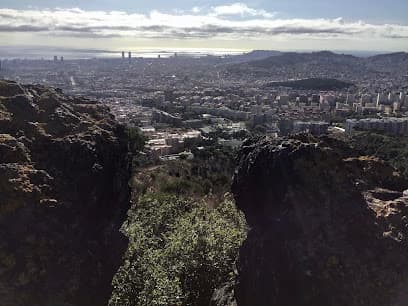
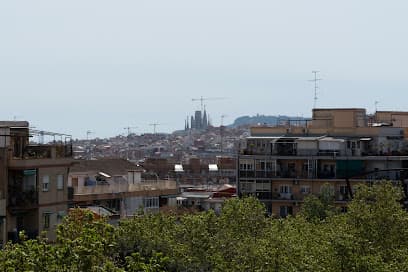
At the summit, marked by the weathered Creu de Roquetes, the city unfolds in a way that feels almost violent. From this height, Barcelona isn't a collection of monuments; it’s a dense, vibrating organism trapped between the mountains and the Mediterranean. You can see the Sagrada Família looking like a melting sandcastle in the distance, the Agbar Tower glowing like a neon cigar, and the vast, blue expanse of the sea. But you also see the real stuff—the sprawling housing blocks of Nou Barris and Horta, the veins of the motorways, and the quiet, green lungs of the Parc de la Guineueta below. It’s a 360-degree reality check.
The air up here is different. It smells of dry earth, rosemary, and the faint, metallic tang of the city’s exhaust rising on the thermal currents. On a weekday afternoon, you’ll likely have the place to yourself, save for a few local dog walkers or a couple of teenagers hiding out from the world. It’s a place for silence, for a cheap beer carried up in a backpack, and for watching the sun dip behind Tibidabo, turning the sky the color of a bruised plum.
This is one of the best viewpoints in Barcelona precisely because it is inconvenient. It requires effort. It requires you to leave the safety of the Eixample and venture into a neighborhood that has spent decades fighting for its right to exist. Nou Barris was built by migrants, by workers, by people who carved a life out of these hills with their bare hands. When you stand on Turó de Roquetes, you aren't just looking at a landscape; you’re looking at the backbone of the city.
Is it worth it? If you want a selfie with a thousand other people, no. If you want to feel the scale of this place, to hear the wind whistle through the pines, and to see Barcelona without the filter, then yes. It’s the kind of place that reminds you that the best things in life aren't sold in a gift shop—they’re found at the end of a long, steep walk in a neighborhood the guidebooks forgot to mention.
Type
Park
Features
Park
Categories
ViewpointNatureHikingPhotography
Opening Hours
- MondayOpen 24 hours
- TuesdayOpen 24 hours
- WednesdayOpen 24 hours
- ThursdayOpen 24 hours
- FridayOpen 24 hours
- SaturdayOpen 24 hours
- SundayOpen 24 hours
Accessibility
- Limited accessibility due to very steep natural terrain and unpaved paths at the summit
Location
Nou Barris, Barcelona
Nearby
ATTRACTION
Turó d'en Segarra
500 m · Nou Barris
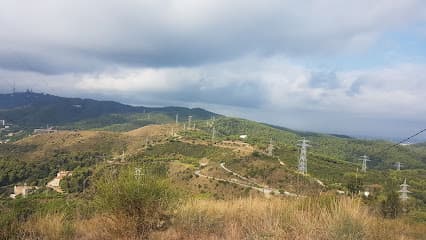
Forget the Bunkers del Carmel. This is the raw, unvarnished edge of Barcelona where the city meets the mountains and the only thing you'll find at the top is the view you earned.
4.6(188)
ParkTourist attraction
ATTRACTION
Castell de Torre Baró
550 m · Nou Barris
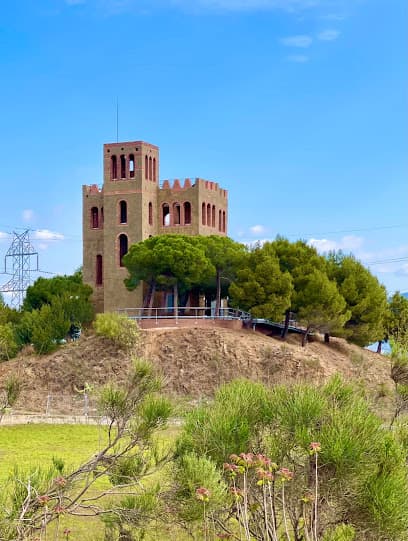
A fake castle built for a hotel that never opened, offering the most honest, panoramic views of Barcelona’s concrete heart and the wild Collserola hills.
4.3(1K)
CastleEnvironment office
RESTAURANT
Restaurante La Nene 777
€€650 m · Nou Barris
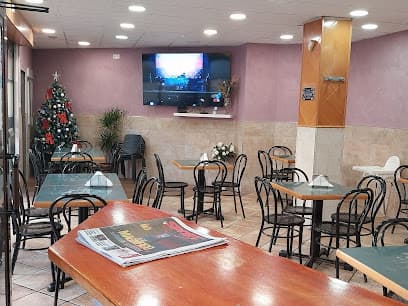
A Dominican soul-food sanctuary in Nou Barris where the pica pollo is legendary and the welcome feels like a blessing from a long-lost aunt. No frills, just pure, honest, grease-stained flavor.
5.0(16)
Restaurant
RESTAURANT
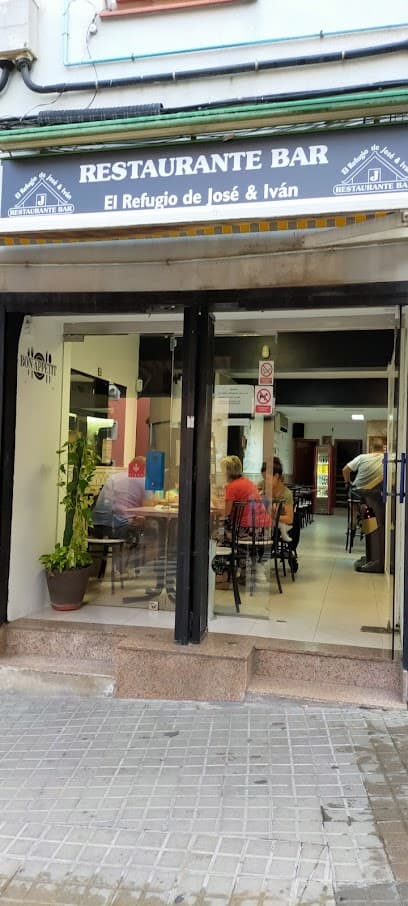
El Refugio de José & Iván
€€650 m · Nou Barris
A gritty, honest bunker in Nou Barris where the callos is legendary and the prices feel like a mistake from 1995. No tourists, no pretense, just the real Barcelona.
4.6(69)
Restaurant
HOTEL
Hostelle Barcelona
€1.1 km · Nou Barris
A female-only sanctuary in the gritty, real-deal neighborhood of Nou Barris. No tourist traps here—just clean bunks, a shared kitchen, and the L4 metro to whisk you into the chaos.
4.3(146)
Youth hostel
HOTEL
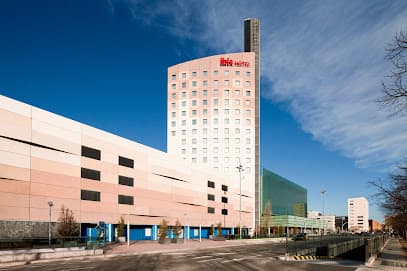
ibis Barcelona Meridiana
€2.0 km · Nou Barris
A two-star ibis on Passeig d'Andreu Nin in Nou Barris with paid parking, rated 4.1 from 2,439 Google reviews that mention the metro and a shopping centre.
4.1(2K)
Hotel
Frequently Asked Questions
Is Turó de Roquetes worth visiting?
Absolutely, if you want a 360-degree view of Barcelona without the tourist crowds found at Tibidabo or the Bunkers. It offers a raw, authentic perspective of the city's northern neighborhoods and the sea.
How do I get to Turó de Roquetes?
Take the Metro L3 to Canyelles or L4 to Roquetes. From there, it is a steep 15-20 minute walk uphill through the Roquetes neighborhood to reach the summit.
Is there an entrance fee for Turó de Roquetes?
No, it is a public viewpoint and part of the natural park area, so it is completely free to access at any time.
What is the best time to visit Turó de Roquetes?
Sunset is spectacular as you can watch the sun drop behind the Collserola mountains, though clear mornings offer the best visibility of the Mediterranean coastline.
Reviews
0 reviews for Turó de Roquetes
No reviews yet. Be the first to share your experience!