About
Let’s be honest: most people come to Barcelona for the gothic spires, the Gaudí curves, and the sun-drenched plazas of the old city. They want the postcard. They want the dream. But if you want the soul—the scarred, tattooed, industrial soul of a city that actually works for a living—you head to Sant Martí. This is where you’ll find Túnelchulo. It isn't a museum. It doesn't have a gift shop, a velvet rope, or a docent in a blazer. It’s a tunnel. A concrete hole in the ground that connects one part of the neighborhood to another, and it’s one of the most honest things you’ll see in this town.
Located on Carrer d'Espronceda, this underpass is a middle finger to the idea that public infrastructure has to be boring. For years, the Sant Martí and Poblenou districts were the 'Manchester of Catalonia,' a forest of smoking chimneys and brick factories. When the industry died, the artists moved in. Túnelchulo—literally the 'Cool Tunnel'—is the result of that transition. It’s a space where the neighborhood’s history is literally painted onto the walls. You aren't just walking through a passage; you’re walking through a gallery of urban defiance.
The murals here aren't the sanitized, corporate-approved 'street art' you see in gentrified neighborhoods elsewhere. They are bold, graphic, and often deeply connected to the local identity. You’ll see faces that look like the people walking past you, abstract explosions of color that mimic the Mediterranean sun, and political statements that remind you that Barcelona has always been a city of rebels. The light inside is strange—a mix of harsh fluorescent hum and the natural glow creeping in from the ends—which makes the colors pop in a way that feels almost hallucinatory.
Walking through Túnelchulo hits you with a dose of reality that most tourists miss because they’re too busy queuing for a church. You hear the rhythmic slap of skateboards on concrete, the distant hiss of a spray can, and the echo of your own footsteps. It’s a shortcut for locals, a place where commuters with headphones on pass by teenagers practicing dance moves. There is no pretension here. It’s a functional piece of the city that happens to be beautiful in a jagged, urban way. It’s the kind of place where you realize that art doesn't need a frame to be important.
Is it 'pretty' in the traditional sense? No. It’s concrete. It’s an underpass. It smells like the city. But it’s authentic. In a city that is increasingly being turned into a theme park for visitors, Túnelchulo remains a stubborn pocket of local culture. It’s a reminder that the best things in Barcelona are often the things that weren't built for you. They were built for the people who live here, and you’re just lucky enough to be passing through. If you’re looking for a 'best street art Barcelona' experience that doesn't feel like a guided tour, this is your spot. Just bring your camera, leave your expectations at the entrance, and enjoy the walk. It’s short, it’s electric, and it’s completely free.
Type
Garden
Features
Garden
Categories
Street ArtUrban CulturePhotographyPublic Art
Accessibility
- Wheelchair accessible ramps
- Flat pedestrian walkway
Location
Carrer d'Espronceda, 161X
Sant Martí, Barcelona
Nearby
ATTRACTION
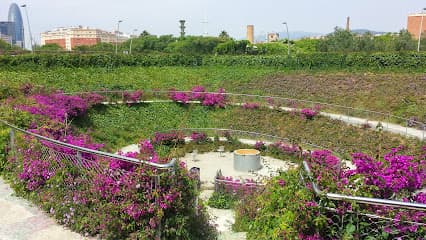
Poblenou Central Park
50 m · Sant Martí
A walled-off, Jean Nouvel-designed concrete sanctuary where industrial metal meets aggressive greenery, offering a strange, quiet escape from the Diagonal’s roar.
4.2(5K)
ParkTourist attraction

ATTRACTION
MUHBA Oliva Artés
50 m · Sant Martí
A skeletal, brick-and-iron ghost of a factory in Poblenou that tells the gritty, unvarnished story of how Barcelona actually worked, bled, and built itself.
4.3(326)
MuseumLocal history museum
RESTAURANT
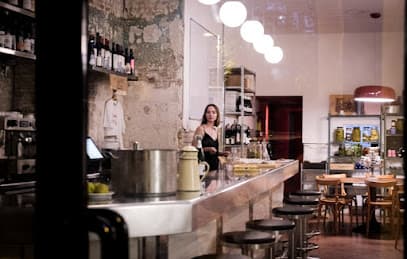
Lola Divine
€€200 m · Sant Martí
An Argentine-run wine sanctuary in Sant Martí where natural bottles meet open-fire cooking and a legendary family flan. No pretense, just soul and sommelier-grade pours.
4.7(226)
Tapas barWine bar

RESTAURANT
Notting Hill Restaurant
€€200 m · Sant Martí
An Argentinian soul hiding behind a British name in the industrial heart of Sant Martí. Come for the massive milanesas, stay for the low-lit, vinyl-heavy vibe.
4.8(50)
Restaurant
HOTEL
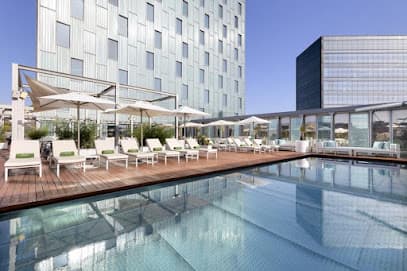
Meliá Barcelona Sky
€€150 m · Sant Martí
A glass-and-steel monolith rising from the industrial bones of Poblenou, offering vertigo-inducing views and a high-altitude escape from the tourist-choked streets of the center.
4.3(2K)
Hotel
HOTEL
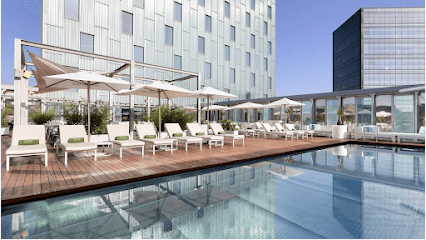
The Level at Meliá Barcelona Sky
€€200 m · Sant Martí
A glass-and-steel monolith in Poblenou where you trade the tourist crowds for 28th-floor views, private lounges, and the feeling of being a high-altitude regular above the city.
4.5(348)
Hotel
Frequently Asked Questions
Is Túnelchulo worth visiting?
Yes, if you appreciate urban culture and street art without the crowds. It’s a raw, authentic look at Barcelona’s industrial soul and a great spot for photography.
How much does it cost to visit Túnelchulo?
It is a public pedestrian underpass, so it is completely free and open to the public 24 hours a day.
What is the best time to visit Túnelchulo?
Daylight hours are best to appreciate the colors of the murals and for safety, though the tunnel is well-lit and used by local commuters throughout the day.
Where is Túnelchulo located?
It is located on Carrer d'Espronceda in the Sant Martí district, easily accessible via the Bac de Roda or Poblenou Metro stations.
Reviews
0 reviews for Túnelchulo
No reviews yet. Be the first to share your experience!