
4.3
326 verified reviews
About
Most people come to Barcelona for the fairy tales. They want the Gaudí curves, the Gothic gargoyles, and the sun-drenched sangria on a terrace. But if you want to know how this city actually got built—how it bled, sweated, and clawed its way into the modern era—you have to leave the center. You head to Sant Martí, to a place that doesn't care if you like it or not. MUHBA Oliva Artés is a punch in the mouth for anyone expecting a gift shop and a velvet rope. It is one of the best museums in Barcelona for people who hate museums.
Located in the heart of the Poblenou neighborhood, this was once a factory that churned out machinery. Today, it’s a skeletal remains of brick, iron, and glass, preserved in a state of arrested decay. It sits in the middle of the Parc del Centre del Poblenou, a strange, metallic, almost dystopian landscape designed by Jean Nouvel that feels like a fever dream of the industrial revolution. Walking into the building is like stepping into the city’s collective memory. There are no polished marble floors here. The floor is concrete, the walls are scarred, and the ceiling is a soaring web of steel beams that once hummed with the vibration of heavy industry.
This is part of the MUHBA (Museu d'Història de Barcelona) network, but it’s a world away from the Roman ruins under the Plaça del Rei. The permanent exhibition, 'Interrogating Barcelona,' doesn't give you a sanitized timeline. It digs into the uncomfortable stuff: the class struggles, the urban planning disasters, the rise of the working class, and the sheer force of capital that shaped the skyline. The space also hosts compelling displays on the evolution of housing and the 'Habitar Barcelona' project, which examines how the city's residents have fought for a place to live. You’ll also find a surprisingly moving tribute to the city’s firefighters, showcasing the vintage engines and the equipment used to keep this tinderbox of a city from burning to the ground during its most volatile years.
The atmosphere is quiet, bordering on haunting. Because it’s off the main tourist circuit, you’re often alone with the ghosts of the mechanics and laborers who spent their lives here. There’s no line, no frantic snapping of selfies, just the low hum of the city outside and the weight of history inside. It’s a place for contemplation, for realizing that the 'Barcelona Brand' we see today was built on the backs of people who lived in the very tenements and worked in the very factories this museum documents.
Is MUHBA Oliva Artés worth visiting? If you’re looking for a quick hit of dopamine and a pretty backdrop, probably not. But if you want to understand the DNA of the city—the real, unwashed, industrial DNA—it’s essential. It’s one of the most authentic things to do in Sant Martí, offering a perspective on the Catalan capital that you won't find in any glossy brochure. It’s raw, it’s honest, and it’s a reminder that beneath the tourism and the tapas, there is a city that knows how to work. Go on a Sunday afternoon when the light hits the old brickwork just right, and you’ll see a side of Barcelona that most visitors never even realize exists.
Type
Museum, Local history museum
Duration
1-2 hours
Best Time
Sunday afternoons for a quiet, contemplative atmosphere and a stroll through the adjacent park.
Guided Tours
Available
What People Say
exhibition(27)industry(7)space(7)park(7)firefighters(5)muy interesante(5)factory(4)21st century(3)
Features
Museum
Local history museum
Tourist attraction
Categories
Industrial HeritageArchitectureUrban HistoryLabor History
Ticket Prices
Free Admission
No tickets required
Opening Hours
- MondayClosed
- TuesdayClosed
- WednesdayClosed
- ThursdayClosed
- FridayClosed
- Saturday11 AM to 3 PM, 4 to 8 PM
- Sunday11 AM to 3 PM, 4 to 8 PM
Must-See Highlights
The 'Habitar Barcelona' housing exhibition
The collection of vintage Barcelona fire engines
The original industrial crane structures inside the hall
The 'Interrogating Barcelona' urban planning display
Visitor Tips
Combine your visit with a stroll through the Jean Nouvel-designed park surrounding the building.
Check the MUHBA website for temporary workshops or jazz concerts often held in the space.
The museum can be chilly in winter due to the high ceilings and industrial structure; dress accordingly.
Good For
History buffsArchitecture studentsSolo travelersOff-the-beaten-path explorers
Why Visit
Housed in an authentic, atmospheric 1920s machinery factory
Located within the avant-garde Parc del Centre del Poblenou designed by Jean Nouvel
Focuses on the 'real' history of Barcelona: labor, industry, and urban struggle
Nearby Landmarks
- Parc del Centre del Poblenou (1-minute walk)
- Can Framis Museum (10-minute walk)
- Palo Alto Market (15-minute walk)
- Platja de la Mar Bella (20-minute walk)
Accessibility
- Wheelchair accessible
- Level flooring throughout the main exhibition space
- Accessible restrooms
Location
Edifici MUHBA Oliva Artés, Carrer d'Espronceda, 142-146
Sant Martí, Barcelona
Nearby Hotels
Nearby Restaurants
In Sant Martí
ATTRACTION
LOS CERDINS HOUSE
Sant Martí
A raw, repurposed industrial relic in the heart of Sant Martí, Los Cerdins House is a testament to the neighborhood's manufacturing soul, where red-brick history meets the sharp, creative edge of modern Barcelona.
0.0(0)
Tourist attraction
ATTRACTION
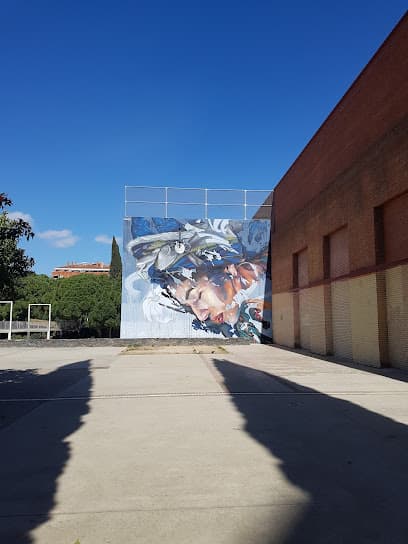
Pista de frontó
Sant Martí
A sun-baked slab of concrete where the rhythmic thwack of a ball against stone serves as the soundtrack to a neighborhood still clinging to its gritty, industrial Poblenou soul.
0.0(0)
Park
ATTRACTION
Saraya Express
Sant Martí
A specialized travel outpost tucked away in Sant Martí. Saraya Express is where the logistics of a trip to Cairo meet the grit of Barcelona’s daily grind, far from the tourist-trap fluff.
0.0(0)
Tourist attraction
Frequently Asked Questions
Is MUHBA Oliva Artés worth visiting?
Yes, if you prefer raw history and industrial architecture over polished tourist attractions. It offers a deep, honest look at Barcelona's urban and social evolution without the crowds.
How much do MUHBA Oliva Artés tickets cost?
Admission to MUHBA Oliva Artés is free for all visitors, making it one of the most accessible cultural sites in the Poblenou district.
What should I see at MUHBA Oliva Artés?
Don't miss the 'Interrogating Barcelona' exhibition and the historic fire engines. The building itself, a former machinery factory, is the primary highlight.
How do I get to MUHBA Oliva Artés?
Take the Metro L4 (Yellow Line) to the Poblenou or Selva de Mar stations; the museum is a 10-minute walk from either, located inside the Parc del Centre del Poblenou.
Reviews
0 reviews for MUHBA Oliva Artés
No reviews yet. Be the first to share your experience!