4.3
142 verified reviews
About
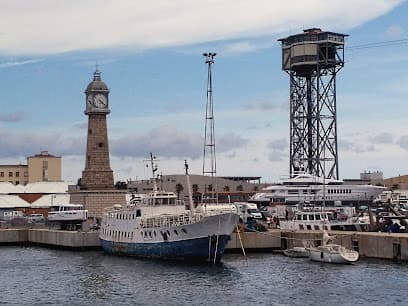
Walk past the rows of gleaming yachts—the kind owned by people who have never had a callus on their hands—and keep going until the air starts to smell like something died and was reborn as a sandwich. You’re looking for the Torre del Rellotge, the Clock Tower of Barceloneta. It’s a stubborn, square-jawed relic standing at the edge of the Moll de Pescadors, and it’s one of the few things in this neighborhood that hasn't been buffed and polished for a cruise ship brochure.\n\nIn 1772, this wasn't a clock at all. It was the Far de la Barceloneta, a lighthouse designed by Jorge Próspero de Verboom to guide ships into a harbor that was still figuring itself out. For over a century, it did its job, blinking out into the Mediterranean. But Barcelona grew. The port expanded, the shoreline moved, and eventually, the lighthouse became a redundant piece of masonry, blinded by the very city it helped build. By 1904, they realized the lighthouse was useless, so instead of tearing it down, they slapped four clock faces on it and called it a day. It’s a very Mediterranean solution: if it doesn't work, make it tell you when it's time for lunch.\n\nBut there’s a deeper, nerdier magic here. This tower is a ghost in the machine of modern science. In the late 18th century, the French astronomer Pierre Méchain used this exact spot as a reference point to measure the meridian arc between Dunkirk and Barcelona. That measurement—the distance from the pole to the equator—is what gave us the 'meter.' Every time you measure a piece of wood or look at a speed limit sign, you’re using a ghost of a calculation that happened right here. It’s the birthplace of the metric system, tucked away between a fish auction and a parking lot.\n\nDon't expect a gift shop or a guided tour with a headset. The Torre del Rellotge is located within the working fishing port, the Moll de Pescadors. Most of the time, you’re viewing it from behind a fence or from the edge of the quay. This is a good thing. It means you’re seeing the real Barcelona—the one where men in rubber boots haul crates of twitching shrimp and silver-scaled sardines off blue-painted trawlers. The air here is thick with the scent of brine, old rope, and heavy-duty marine engines. It’s honest. It’s gritty. It’s the sound of the Llotja de Pescadors (the fish market) humming with the business of feeding a city that never stops eating.\n\nIs it worth the trek? If you want to climb a tower and take a selfie with a panoramic view, go to the Sagrada Família with the rest of the herd. But if you want to stand at the edge of the water, feel the wind coming off the Balearic Sea, and contemplate the fact that the world’s measurements were born in a place that smells like fish guts, then yes, it’s absolutely worth it. It’s a reminder that beneath the Gaudí curves and the beach club beats, Barcelona is a city of salt and sweat. It’s a monument to the time when the port was the heart of everything, and the clock was just a way to know how long until the boats came home.
Type
Tourist attraction
Duration
15-30 minutes
Best Time
Late afternoon when the fishing boats return to the port and the light hits the clock faces.
What People Say
lighthouse(9)history(8)port(4)fishing(3)symbol(2)
Features
Tourist attraction
Categories
HistoryMaritimeArchitectureScience
Ticket Prices
Free Admission
No tickets required
Opening Hours
- MondayOpen 24 hours
- TuesdayOpen 24 hours
- WednesdayOpen 24 hours
- ThursdayOpen 24 hours
- FridayOpen 24 hours
- SaturdayOpen 24 hours
- SundayOpen 24 hours
Must-See Highlights
The four neoclassical clock faces
The active fishing trawlers docked nearby
The view of the tower against the W Hotel in the distance
The plaque commemorating the meridian measurement
Visitor Tips
Bring binoculars if you want to see the architectural details of the upper lantern
Visit around 3:00 PM to 4:00 PM to see the fishing fleet coming in with their catch
Combine this with a walk through the narrow streets of Barceloneta for the full experience
Good For
History buffsPhotography enthusiastsSolo travelersBudget travelers
Why Visit
The scientific birthplace of the metric system's meter measurement
A rare 18th-century lighthouse that survived by becoming a clock
Located in the heart of Barcelona's last remaining active fishing wharf
Nearby Landmarks
- 5-minute walk from Museu d'Història de Catalunya
- 10-minute walk from Barceloneta Beach
- 12-minute walk from L'Aquàrium de Barcelona
- 15-minute walk from Estació de França
Accessibility
- Viewable from flat, paved public quays
- No interior access for wheelchairs
- Surrounding area is generally accessible
Location
Moll de Pescadors
Ciutat Vella, Barcelona
Nearby Hotels
Nearby Restaurants
In Ciutat Vella
ATTRACTION
Park
Ciutat Vella
A thousand years of silence tucked behind a Romanesque monastery, where the grit of El Raval dissolves into ancient stone, cool shadows, and the heavy weight of history.
0.0(0)
Park
ATTRACTION
BARSHELONA
Ciutat Vella
Forget the plastic bulls and tacky magnets. This is where Barcelona’s soul is bottled into art, a small sanctuary of local design hidden in the shadows of the Gothic Quarter.
0.0(0)
Tourist attraction
ATTRACTION
Minajoe art
Ciutat Vella
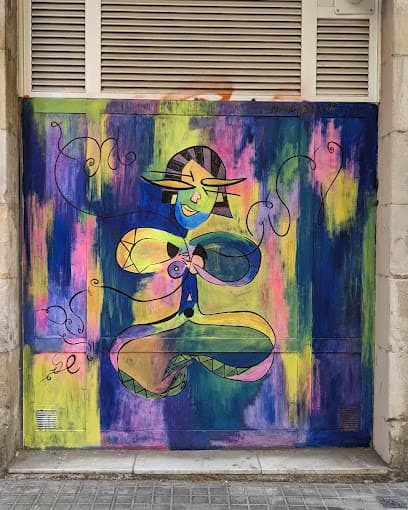
A raw, paint-splattered antidote to the sterile museum circuit. This is where pop-art meets the grit of the street, served straight from the artist’s hands in the heart of old Barcelona.
0.0(0)
Tourist attraction
Frequently Asked Questions
Can you go inside the Torre del Rellotge?
Generally, no. The tower is located within the secure, working area of the Moll de Pescadors (Fishermen's Wharf). You can view it clearly from the public areas of the port or the nearby quay, but the interior is not open for regular tourist visits.
Is the Torre del Rellotge worth visiting?
It is worth it for history buffs and those who want to see the 'real' maritime side of Barcelona. While you can't climb it, the surrounding area offers a glimpse into the city's active fishing industry and its scientific history as the reference point for the metric system.
What is the history of the Barceloneta Clock Tower?
Built in 1772 as a lighthouse, it served the port until 1904 when it was converted into a clock tower. It is also famous for being the site where Pierre Méchain performed measurements to define the length of a meter.
How do I get to the Torre del Rellotge?
It is located at the end of the Moll de Pescadors in Barceloneta. The easiest way to see it is by walking along the Moll de la Fusta or the Passeig Joan de Borbó toward the sea.
Reviews
0 reviews for Torre del Rellotge Barceloneta
No reviews yet. Be the first to share your experience!