4.5
419 verified reviews
About
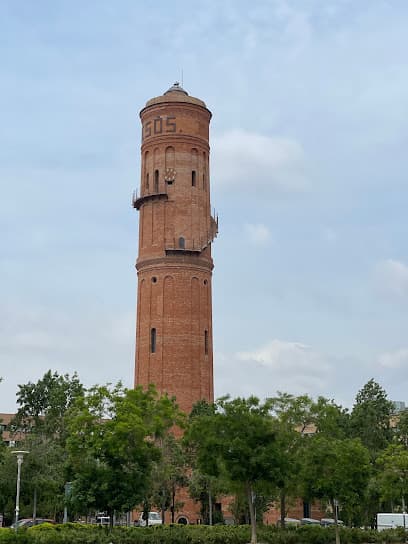
Barcelona is a city built on layers of ambition, some of which actually worked, and some of which failed spectacularly. The Torre de les Aigües del Besòs is a monument to the latter, and it’s all the better for it. Standing tall in the Sant Martí district, this 63-meter brick monolith was supposed to be the solution to the city’s 19th-century water crisis. The plan was simple: pump water from the Besòs river to the thirsty masses. The reality? The water was too salty to drink. A massive, expensive, architectural marvel that couldn't provide a single glass of potable water. It’s a story of human hubris that feels more honest than any polished monument in the Gothic Quarter.
Approaching the tower today, you’re struck by the sheer industrial weight of the thing. This isn’t the whimsical, melting-candle aesthetic of Gaudí. This is Pere Falqués i Urpí’s vision of the 'Catalan Manchester'—raw, functional, and imposing. It sits in the Plaça de Ramon Calsina, a quiet corner of Poblenou that feels worlds away from the selfie-stick gauntlet of La Rambla. The red brickwork is a masterclass in industrial masonry, a vertical exclamation point in a neighborhood that used to be defined by smoke and sweat before the tech companies and luxury lofts moved in.
To get the real experience, you have to commit to the climb. There are 311 steps in a tight, dizzying spiral that will test your cardio and your patience. As you ascend, the air gets cooler and the history gets thicker. You can almost smell the coal smoke of the Macosa factory that eventually took over the site. There’s no elevator here to bail you out. It’s a physical tax you pay for the view, and in a city where everything is increasingly sanitized for tourist consumption, that effort feels earned.
When you finally emerge onto the terrace, the payoff is visceral. This is the best view in Barcelona because it’s the most honest one. To one side, you have the Mediterranean stretching out toward the horizon, blue and indifferent. To the other, the sprawling grid of the Eixample and the jagged peaks of Tibidabo. But look closer and you see the scars and triumphs of the city’s industrial past: the old chimneys of Poblenou standing like ghosts among the glass towers of Diagonal Mar. It’s a 360-degree lesson in how a city reinvents itself, seen from a vantage point that most tourists never even hear about.
The tower is managed by the Arxiu Històric del Poblenou, and the people running the show are locals who actually give a damn. They aren't reciting a script; they’re telling the story of their barrio. They’ll tell you about the failed water project, the factory years, and the fight to save this structure from the wrecking ball. It’s the kind of place where you realize that the soul of Barcelona isn't found in a souvenir shop, but in the stubborn survival of places like this.
Is it worth the trek to Sant Martí? If you want the postcard version of Barcelona, stay on the tour bus. But if you want to feel the weight of the city’s history, to see the coastline without a thousand other people in your frame, and to appreciate the beauty of a magnificent failure, then yes. It’s essential. Just wear decent shoes and be prepared for the wind to kick you in the teeth when you reach the top. It’s a protein rush for the urban explorer, a clean, high-altitude hit of pure Barcelona history.
Type
Historical landmark, Scenic spot
Duration
1-1.5 hours
Best Time
Late afternoon for the best light over the Mediterranean and the city skyline.
Guided Tours
Available
What People Say
muy interesante(10)explanation(9)industry(6)spiral staircase(5)terrace(5)past(5)archive(4)barcelona(3)
Features
Historical landmark
Scenic spot
Tourist attraction
Categories
Industrial HeritageArchitectureViewpointHistory
Ticket Prices
adult€5.00
child€0.00
senior€3.00
Opening Hours
- Monday5 to 7 PM
- Tuesday10 AM to 12 PM, 5 to 7 PM
- Wednesday10 AM to 12 PM, 5 to 7 PM
- Thursday10 AM to 12 PM, 5 to 7 PM
- Friday5 to 7 PM
- Saturday12 to 1:30 PM
- SundayClosed
Must-See Highlights
The intricate brickwork of the spiral staircase
The panoramic view from the top terrace
The historical photographs in the ground floor exhibition space
Visitor Tips
Wear comfortable shoes for the 311-step climb.
Check the weather; the top terrace can be very windy.
Tours are often only in Catalan or Spanish, so check for English availability if needed.
Combine your visit with a walk through the nearby Parc de Diagonal Mar.
Good For
History buffsPhotography enthusiastsUrban explorersArchitecture lovers
Why Visit
Unrivaled 360-degree views of the Barcelona coastline and the industrial skyline of Poblenou.
A rare, preserved example of 19th-century industrial architecture away from the main tourist hubs.
Authentic local storytelling provided by the Arxiu Històric del Poblenou volunteers.
Nearby Landmarks
- 10-minute walk from Parc de Diagonal Mar
- 12-minute walk from Museu de Ciències Naturals de Barcelona (Forum)
- 8-minute walk from Platja de Llevant
- 15-minute walk from Poblenou Central Park
Accessibility
- Not wheelchair accessible
- Requires climbing 311 steps
- Ground floor exhibition area is accessible
Location
Plaça de Ramon Calsina
Sant Martí, Barcelona
Nearby Hotels
Nearby Restaurants
In Sant Martí
ATTRACTION
LOS CERDINS HOUSE
Sant Martí
A raw, repurposed industrial relic in the heart of Sant Martí, Los Cerdins House is a testament to the neighborhood's manufacturing soul, where red-brick history meets the sharp, creative edge of modern Barcelona.
0.0(0)
Tourist attraction
ATTRACTION
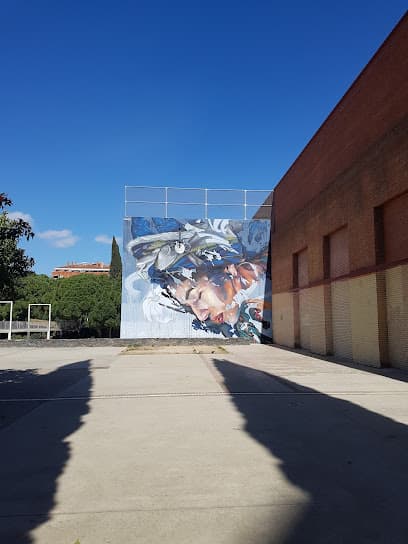
Pista de frontó
Sant Martí
A sun-baked slab of concrete where the rhythmic thwack of a ball against stone serves as the soundtrack to a neighborhood still clinging to its gritty, industrial Poblenou soul.
0.0(0)
Park
ATTRACTION
Saraya Express
Sant Martí
A specialized travel outpost tucked away in Sant Martí. Saraya Express is where the logistics of a trip to Cairo meet the grit of Barcelona’s daily grind, far from the tourist-trap fluff.
0.0(0)
Tourist attraction
Frequently Asked Questions
Is Torre de les Aigües del Besòs worth visiting?
Yes, if you appreciate industrial history and want a 360-degree view of Barcelona without the crowds. It offers a unique perspective on the city's transformation from an industrial hub to a modern metropolis.
How many steps are in the Torre de les Aigües del Besòs?
There are 311 steps in a spiral staircase. There is no elevator, so a moderate level of fitness is required to reach the top terrace.
Do I need to book a tour for Torre de les Aigües del Besòs?
Yes, visits are typically conducted via guided tours organized by the Arxiu Històric del Poblenou. It is highly recommended to check their schedule and book in advance on their official website.
How do I get to Torre de les Aigües del Besòs?
The easiest way is via the L4 Metro (Yellow Line), getting off at the Selva de Mar station. From there, it is about a 10-minute walk toward the sea.
Reviews
0 reviews for Torre de les Aigües del Besòs
No reviews yet. Be the first to share your experience!