About
Sant Martí is the kind of place that reminds you that Barcelona wasn't always a theme park for the sun-drenched and the well-heeled. It was, for a long time, the engine room of the Mediterranean—a sprawling landscape of chimneys, looms, and heavy-duty manufacturing that earned it the nickname 'the Manchester of Catalonia.' If you want to see where that industrial ghost still rattles its chains, you don't go to the Sagrada Família. You head to the quiet side streets of Poblenou, specifically to a place like Los Cerdins House at Calle Cerdins, 69.
This isn’t the Barcelona of the postcards. There are no Gothic gargoyles here, no undulating Gaudí curves, and no street performers dressed as gold-painted statues. Instead, you get the functional, hard-working bones of a neighborhood in flux. Los Cerdins House is a quintessential example of the '22@' transformation—a massive, state-led effort to turn these old textile shells into a tech and creative hub. But while much of the district has been sanitized with glass and polished steel, Los Cerdins House feels like it kept its soul. It’s a repurposed industrial space that hasn't forgotten where it came from. The building itself is a study in red brick and weathered stone, a vertical slice of history that has been carved out and filled with the creative energy that defines the modern district.
Walking down Calle Cerdins, you feel the friction of the city. On one side, you have the sleek, clinical offices of tech startups; on the other, the crumbling facades of factories that haven't seen a worker in fifty years. Los Cerdins House sits right in that tension. It’s a place where the scent of sea salt from the nearby Bogatell beach mixes with the lingering, metallic tang of the neighborhood’s industrial past. The structure at number 69 isn't trying to be something it’s not. It doesn’t hide its scars or smooth over its rough edges. It’s an honest piece of architecture, a sanctuary for those who prefer their beauty with a bit of grit and a lot of history.
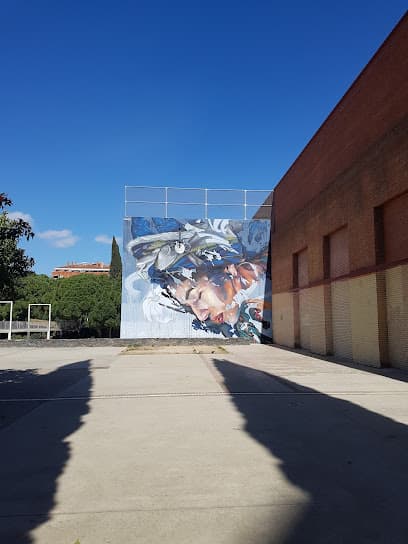
Inside, the space has been reimagined for the 21st century, but the high ceilings and the vast, industrial windows still speak to a time when this was a place of sweat and heavy machinery. The building is perhaps best known for the massive, iconic mural that dominates its exterior—a work of street art depicting three stylized pigs that has become a local landmark and gives the house its namesake. It serves as a reminder that the city’s past isn’t something to be demolished and paved over; it’s a foundation to be built upon. This is a corner of the city that doesn't care if you like it or not, and that’s exactly what makes it essential. It’s a place to stand in the shadow of a repurposed chimney and realize that Barcelona’s identity is much deeper than the tourist traps of the Rambla. It’s a place that tells the story of a city that knows how to work, how to adapt, and how to survive. If you’re looking for the pulse of the neighborhood—the point where the gritty history of the textile mills meets the sharp, ambitious future of the creative class—this is where you find it. It’s raw, it’s tucked away from the usual crowds, and it’s the perfect vantage point for understanding how Barcelona actually functions when the sun goes down and the shutters come down.
Type
Tourist attraction
Features
Tourist attraction
Opening Hours
- MondayOpen 24 hours
- TuesdayClosed
- WednesdayClosed
- ThursdayClosed
- FridayClosed
- SaturdayClosed
- SundayOpen 24 hours
Location
Calle Cerdins, 69
Sant Martí, Barcelona
In Sant Martí
ATTRACTION
Pista de frontó
Sant Martí
A sun-baked slab of concrete where the rhythmic thwack of a ball against stone serves as the soundtrack to a neighborhood still clinging to its gritty, industrial Poblenou soul.
0.0(0)
Park
ATTRACTION
Saraya Express
Sant Martí
A specialized travel outpost tucked away in Sant Martí. Saraya Express is where the logistics of a trip to Cairo meet the grit of Barcelona’s daily grind, far from the tourist-trap fluff.
0.0(0)
Tourist attraction
ATTRACTION
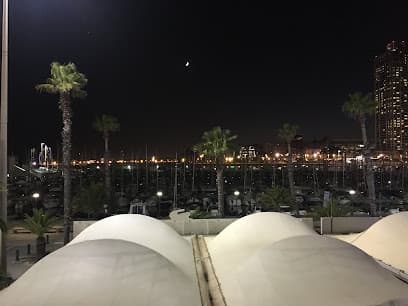
Second Hand Skipper Deck Hand
Sant Martí
A gritty, honest gateway to the Mediterranean for those who prefer salt spray and diesel over tourist traps. Real skippers, real boats, and zero corporate polish.
0.0(0)
Tourist attraction
Reviews
0 reviews for LOS CERDINS HOUSE
No reviews yet. Be the first to share your experience!