4.3
3 verified reviews
About
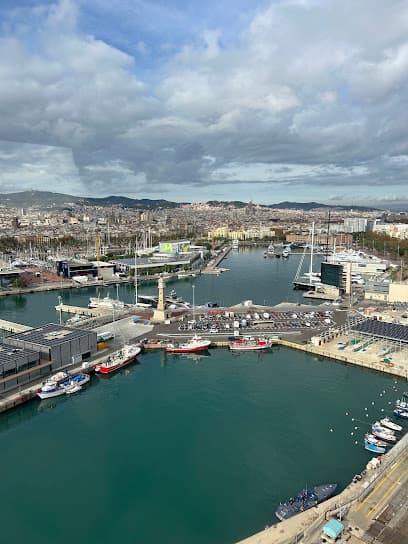
Look at this thing. It’s a 107-meter-high middle finger to modern safety aesthetics, a lattice-work ghost of the 1929 World’s Fair that still stands tall over the harbor. The Torre Aeri del Port—specifically the Torre de Jaume I located here at Moll 18—isn’t some polished, plastic tourist trap designed by a committee of risk-averse bureaucrats. It’s a skeletal, iron anachronism that reminds you of a time when progress meant bolting massive amounts of steel together and hoping for the best. If you’re looking for the sanitized, air-conditioned experience of the newer Montjuïc Telefèric, you’re in the wrong place. This is the Transbordador Aeri del Port, and it’s a whole different beast.
Stepping into the base of this tower feels like entering the guts of a Victorian steamship. It’s all heavy cables, grease, and the rhythmic clanking of machinery that’s been doing the same job since before your grandfather was born. You wait for the red cabin—a vintage tin box that looks like it was salvaged from a Wes Anderson fever dream—to slide into the dock. When it arrives, you’re packed in with a handful of other souls, the doors hiss shut, and then comes the lurch. That first stomach-dropping moment when the car leaves the tower and hangs suspended over the dark blue of the Mediterranean is the real deal. It’s a protein rush of pure, unadulterated vertigo.
As you glide toward Montjuïc or back toward Barceloneta, the city reveals itself in a way that no rooftop bar can match. This isn’t just a 'pretty view.' It’s a functional, working-class perspective of a maritime city. You see the massive cruise ships docked at the World Trade Center, looking like oversized floating malls. You see the tangle of the ferry terminals, the blue-collar grit of the shipyard, and the laundry-draped balconies of the Barceloneta neighborhood. To the north, the Sagrada Família pokes its stony fingers into the sky, and the Eixample stretches out in its perfect, obsessive grid. It’s the best views in Barcelona because it doesn't try to hide the city's scars or its industry.
The wind whistles through the gaps in the cabin. The car sways. You might feel a momentary flash of 'is this actually safe?' The answer is yes, but the fact that you’re asking makes the experience better. It’s a reminder that travel should involve a little bit of skin in the game. You’re suspended by a few strands of wire over a harbor that has seen Phoenicians, Romans, and countless sailors who didn't have the luxury of a scenic ride.
So, is this rusting relic actually worth your time? If you want a quick, efficient way to get up the hill, take a taxi. If you want to feel the salt air on your face and see the city from a perspective that feels earned, then yes, it’s essential. It’s one of the few things in the Port Vell area that hasn't been completely buffed to a dull, corporate shine. It’s loud, it’s old, it’s slightly terrifying, and it’s magnificent. When you finally touch down at the Miramar station on Montjuïc, you’ll step out with shaky legs and a clear head, having seen Barcelona for what it truly is: a beautiful, chaotic, iron-willed survivor on the edge of the sea.
Type
Tourist attraction
Duration
1 hour
Best Time
Late afternoon for the golden hour light over the harbor, though midday offers the clearest views of the city grid.
Features
Tourist attraction
Categories
ArchitectureTransportHistoryViewpoint
Ticket Prices
adult€12.50
child€12.50
senior€12.50
Must-See Highlights
The 107-meter drop from the Jaume I tower
The vintage red cabins dating back to the early 20th century
The view of the Sagrada Família rising above the Eixample grid
Visitor Tips
Don't confuse this with the 'Telefèric de Montjuïc'—this one is the 'Transbordador Aeri' and starts at the port.
If the line at the Barceloneta tower is too long, walk to the Jaume I tower at the World Trade Center to board there.
Hold onto your phone; the windows in the cabins are often open or missing for photos, and it's a long way down.
Good For
Photography enthusiastsHistory buffsThrill seekersCouples
Why Visit
Historic 1929 industrial architecture designed by Carles Buïgas
Highest harbor cable car tower in the world at the time of its construction
Unrivaled 360-degree views of the working port and the Gothic Quarter
Nearby Landmarks
- World Trade Center Barcelona (2-minute walk)
- Columbus Monument (10-minute walk)
- Maritime Museum of Barcelona (12-minute walk)
- Torre de Sant Sebastià (15-minute cable car ride/walk)
Accessibility
- Limited accessibility; the towers have elevators but the vintage cabins and boarding areas are cramped for large wheelchairs.
Location
Moll 18 A Barcelona
Ciutat Vella, Barcelona
Nearby Hotels
Nearby Restaurants
In Ciutat Vella
ATTRACTION
Park
Ciutat Vella
A thousand years of silence tucked behind a Romanesque monastery, where the grit of El Raval dissolves into ancient stone, cool shadows, and the heavy weight of history.
0.0(0)
Park
ATTRACTION
BARSHELONA
Ciutat Vella
Forget the plastic bulls and tacky magnets. This is where Barcelona’s soul is bottled into art, a small sanctuary of local design hidden in the shadows of the Gothic Quarter.
0.0(0)
Tourist attraction
ATTRACTION
Minajoe art
Ciutat Vella
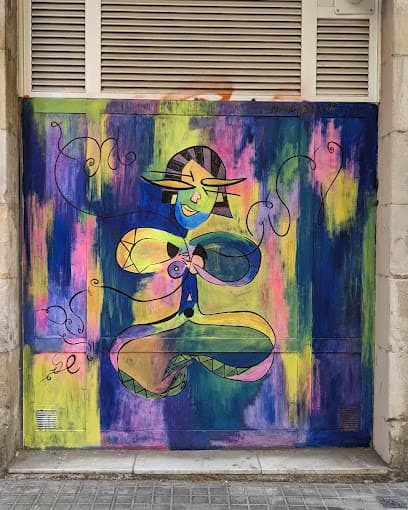
A raw, paint-splattered antidote to the sterile museum circuit. This is where pop-art meets the grit of the street, served straight from the artist’s hands in the heart of old Barcelona.
0.0(0)
Tourist attraction
Frequently Asked Questions
Why should you bother with the Torre Aeri del Port?
Yes, if you value historic industrial architecture and the most dramatic, unvarnished views of the Barcelona harbor. It is a vintage experience that offers more character than the modern Montjuïc Telefèric.
What is the difference between the Port Cable Car and the Montjuïc Telefèric?
The Port Cable Car (Transbordador Aeri) is the historic red car that crosses the harbor from the beach to Montjuïc. The Montjuïc Telefèric is a modern, smaller gondola system that only runs on the mountain itself, from the park to the castle.
How much does the Port Cable Car cost?
As of 2024, a one-way ticket is approximately €12.50 and a return ticket is €20.00. Note that they do not accept the T-Casual or other standard Barcelona transport passes.
Do I need to book tickets in advance?
You cannot book specific time slots online for this vintage line; it is generally a walk-up service. Lines can be long at the Barceloneta (Sant Sebastià) tower, so starting at the Jaume I tower or Miramar can sometimes save time.
Reviews
0 reviews for Torre Aeri del Port
No reviews yet. Be the first to share your experience!