3.0
2 verified reviews
About
Barcelona didn’t always look like this. Before 1992, the stretch of sand you’re standing on was a graveyard of industry—a jagged coastline of factories, smoke, and train tracks that effectively walled the city off from its own sea. Then the Olympics happened, and the city underwent a surgical transformation so radical it would make a Beverly Hills plastic surgeon blush. The 'Torre' at Passeig Marítim de la Nova Icària, 77, is a quiet, concrete witness to that upheaval.
Let’s be honest: this isn't the Sagrada Família. You aren't going to find weeping gargoyles or intricate mosaics here. This is functional architecture, a product of the Sant Martí neighborhood’s rebirth. It’s a tower—a sentinel—standing at the edge of the Nova Icària beach, marking the spot where the city’s industrial past was buried under millions of tons of imported Egyptian sand. It’s the kind of place that gets a 3-star rating because it doesn't try to entertain you. It just exists, and in a city as hyper-curated as Barcelona, there’s something almost refreshing about that.
When you walk past the Port Olímpic, heading north toward the more relaxed vibes of Bogatell, you hit this stretch of the Passeig Marítim. The air here smells of salt, high-SPF sunscreen, and the occasional whiff of fried calamari from the nearby chiringuitos. The Torre stands there like a lighthouse that lost its lamp, or a lifeguard station that decided to go brutalist. It represents the 'New Icària'—a nod to the utopian socialist ideals of Ildefons Cerdà, the man who designed the Eixample, who dreamed of a working-class paradise by the sea. Instead, we got luxury apartments, volleyball courts, and a lot of people from Northern Europe trying very hard not to turn the color of a boiled lobster.
Is it worth a dedicated trip? Probably not. But as a waypoint on a long, contemplative walk along the Mediterranean, it’s essential. It’s a marker of the 'Barcelona Model'—that controversial, world-famous urban planning strategy that turned a gritty port town into a global playground. You stand in its shadow and you see the two Barcelonas: the one that was built for the locals to sweat in, and the one built for the world to play in.
The crowd here is a mix of digital nomads with expensive laptops and local grandfathers who remember when this beach was a pile of rusted iron. They coexist in the shadow of these Olympic-era structures, oblivious to the architectural debates they spark. The Torre doesn't care about your Instagram feed. It doesn't care if you think it’s ugly. It’s a functional piece of the city’s skeleton, holding up the sky while the rest of us argue about where to find the best paella in Barcelona.
If you’re looking for the soul of the city, you won't find it in a gift shop. You find it in these weird, overlooked corners where the planning meets the reality. The Torre is a reminder that cities are built, they are destroyed, and they are reimagined. Sometimes, that reimagining looks like a concrete tower on a beach. Take a look, acknowledge the history, and then go get a cold beer. That’s what a local would do.
Type
Tourist attraction
Duration
15-30 minutes
Best Time
Sunset, for the best light hitting the concrete and the Mediterranean backdrop.
Features
Tourist attraction
Categories
ArchitectureOlympic HeritageBeachfront
Ticket Prices
Free Admission
No tickets required
Opening Hours
- MondayOpen 24 hours
- TuesdayOpen 24 hours
- WednesdayOpen 24 hours
- ThursdayOpen 24 hours
- FridayOpen 24 hours
- SaturdayOpen 24 hours
- SundayOpen 24 hours
Must-See Highlights
The view of the Port Olímpic skyline
The contrast between the tower and the 'David i Goliat' sculpture nearby
The sunset reflections on the Mediterranean
Visitor Tips
Don't expect a museum; it's an outdoor landmark.
Combine this with a visit to the nearby Port Olímpic for lunch.
Great spot for a photo that captures the 'modern' side of Barcelona's coast.
Good For
Architecture enthusiastsHistory buffsBudget travelersWalkers
Why Visit
Brutalist Olympic-era design
Prime location on the Nova Icària boardwalk
Historical marker of Barcelona's 1992 urban transformation
Nearby Landmarks
- Port Olímpic (5-minute walk)
- David i Goliat Sculpture (3-minute walk)
- Hotel Arts & Torre Mapfre (8-minute walk)
- Parc de la Nova Icària (4-minute walk)
Accessibility
- Fully accessible via the flat, paved Passeig Marítim boardwalk
- Nearby beach ramps available
Location
Passeig Marítim de la Nova Icària, 77
Sant Martí, Barcelona
Nearby Hotels
Nearby Restaurants
In Sant Martí
ATTRACTION
LOS CERDINS HOUSE
Sant Martí
A raw, repurposed industrial relic in the heart of Sant Martí, Los Cerdins House is a testament to the neighborhood's manufacturing soul, where red-brick history meets the sharp, creative edge of modern Barcelona.
0.0(0)
Tourist attraction
ATTRACTION
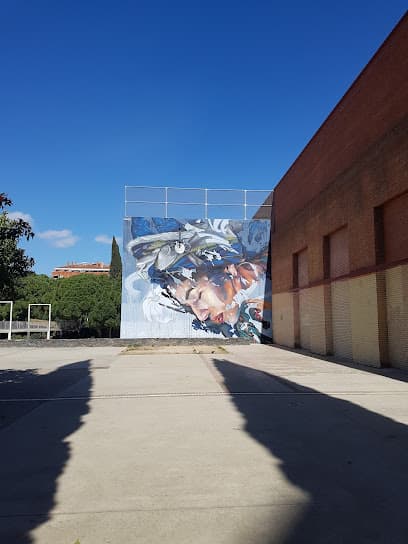
Pista de frontó
Sant Martí
A sun-baked slab of concrete where the rhythmic thwack of a ball against stone serves as the soundtrack to a neighborhood still clinging to its gritty, industrial Poblenou soul.
0.0(0)
Park
ATTRACTION
Saraya Express
Sant Martí
A specialized travel outpost tucked away in Sant Martí. Saraya Express is where the logistics of a trip to Cairo meet the grit of Barcelona’s daily grind, far from the tourist-trap fluff.
0.0(0)
Tourist attraction
Frequently Asked Questions
Is the Torre at Nova Icària worth visiting?
Only as part of a larger walk along the beach. It is a functional landmark of the 1992 Olympic transformation rather than a traditional museum or monument.
What is the Torre exactly?
It is an observation and service tower located on the Nova Icària beachfront, serving as a landmark for the Port Olímpic and the surrounding beach facilities.
How do I get to Passeig Marítim de la Nova Icària 77?
Take the L4 Metro to the Ciutadella | Vila Olímpica station and walk toward the beach, or use the V21 or V27 bus lines which stop nearby.
Reviews
0 reviews for Torre
No reviews yet. Be the first to share your experience!