4.8
51 verified reviews
About
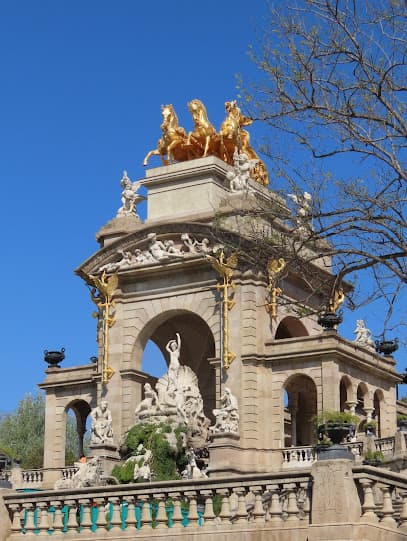
You’re walking through the Parc de la Ciutadella, dodging the amateur tightrope walkers and the smell of cheap weed, when you see it. It’s not subtle. It’s not trying to be your friend. It’s a blinding, thirty-ton scream of gold leaf and cast iron positioned at the very top of the Cascada Monumental. This is the Chariot of the Aurora (El Carro de l'Aurora), and it represents the exact moment Barcelona decided to stop being a dusty provincial outpost and start acting like a world-class heavyweight.
To understand this sculpture, you have to understand the ground it stands on. For centuries, this land was the Ciutadella—a hated fortress built by Philip V to keep the rebellious locals in line. It was a symbol of oppression, a scar on the face of the city. When the city finally got the right to tear it down for the 1888 Universal Exposition, they didn’t just plant some petunias. They built a monument to their own survival. The Cascada Monumental, designed by Josep Fontserè with a then-unknown student named Antoni Gaudí handling the hydraulics, was the centerpiece. And sitting on top of it all, like a crown on a prize fighter, is Rossend Nobas’s masterpiece.
Aurora, the Roman goddess of dawn, stands in her chariot, four massive horses straining at the bit, charging toward the sunrise. It’s a visceral image of momentum. Nobas didn’t just sculpt a woman; he sculpted the concept of 'enough is enough.' The sheer weight of the thing is staggering—thirty thousand kilograms of metal perched precariously on a stone arch. It’s a technical miracle that it hasn't come crashing down into the pond below, and that tension is part of the draw. You look at it and you feel the brute force of the 19th century, an era when people believed that if you built something big enough and shiny enough, you could actually change the course of history.
Climb the stairs of the fountain. Don’t just look from the gravel path. Get up there where the mist from the falling water hits your face and the sun catches the gold leaf. From this vantage point, you can see the muscles in the horses’ necks, the wildness in their eyes, and the stoic, almost bored expression on Aurora’s face as she steers this heavy-metal nightmare through the clouds. It’s one of the best things to do in Parc de la Ciutadella because it forces you to look up. In a city that can sometimes feel like a theme park of Gaudí-esque whimsy, the Chariot of the Aurora is a reminder of a harder, more classical kind of ambition.
Is it a tourist attraction? Sure. Is it crowded? On a Sunday afternoon, it’s a goddamn circus. But if you get here early, when the light is still grey and the park belongs to the joggers and the ghosts of the old fortress, that gold starts to glow. It’s one of the few free things to do in Barcelona that actually feels like you’re stealing something valuable. It’s a protein shake for the eyes, a reminder that even in a world of glass and steel, there’s still room for a goddess and four horses to gallop across the sky. It’s loud, it’s arrogant, and it’s quintessentially Barcelona. Don't miss it, and don't forget to look at the details—the way the water interacts with the stone, the shadows in the bronze. It’s a masterclass in how to make a statement that lasts a century.
Type
Tourist attraction
Duration
30-45 minutes
Best Time
Early morning (8:00 AM - 9:30 AM) to catch the 'dawn' light on the gold without the crowds.
What People Say
sculpture(4)architecture(2)
Features
Tourist attraction
Categories
SculptureArchitectureHistoryPublic Art
Ticket Prices
Free Admission
No tickets required
Must-See Highlights
The four straining horses of the chariot
The Venus sculpture inside the fountain niche below
The intricate ironwork on the stairs
The view of the park from the upper terrace
Visitor Tips
Bring sunglasses; the reflection off the gold leaf at midday is blinding.
Look for the small details in the fountain base—some were worked on by a young Gaudí.
Combine this with a picnic in the park for a classic local experience.
Good For
PhotographersHistory buffsBudget travelersFamilies
Why Visit
Thirty-ton gilded cast-iron masterpiece
Centerpiece of the 1888 Universal Exposition
Hydraulics designed by a young Antoni Gaudí
Nearby Landmarks
- 2-minute walk from Barcelona Zoo
- 5-minute walk from Castell dels Tres Dragons
- 8-minute walk from Arc de Triomf
- 10-minute walk from El Born Cultural and Memorial Center
Accessibility
- Park paths are flat and accessible
- Stairs to the fountain upper level are not wheelchair accessible
Location
Ciutat Vella, Barcelona
Nearby Hotels
Nearby Restaurants
In Ciutat Vella
ATTRACTION
Park
Ciutat Vella
A thousand years of silence tucked behind a Romanesque monastery, where the grit of El Raval dissolves into ancient stone, cool shadows, and the heavy weight of history.
0.0(0)
Park
ATTRACTION
BARSHELONA
Ciutat Vella
Forget the plastic bulls and tacky magnets. This is where Barcelona’s soul is bottled into art, a small sanctuary of local design hidden in the shadows of the Gothic Quarter.
0.0(0)
Tourist attraction
ATTRACTION
Minajoe art
Ciutat Vella
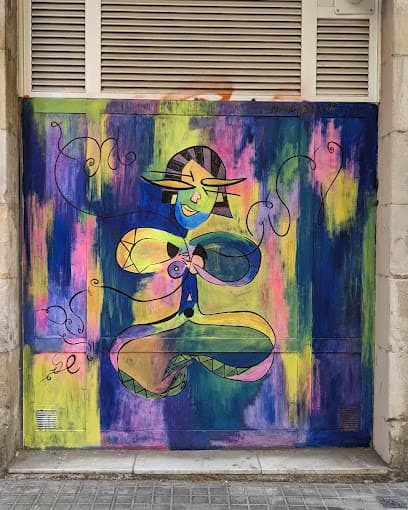
A raw, paint-splattered antidote to the sterile museum circuit. This is where pop-art meets the grit of the street, served straight from the artist’s hands in the heart of old Barcelona.
0.0(0)
Tourist attraction
Frequently Asked Questions
Is the Chariot of the Aurora worth visiting?
Absolutely. It is the crowning jewel of the Cascada Monumental, the most impressive fountain in Barcelona, and offers a great perspective on the city's 19th-century ambition.
How much does it cost to see the sculpture?
It is completely free. The sculpture is located within the public Parc de la Ciutadella, which has no entrance fee.
Can you climb up to the sculpture?
You can climb the stairs of the Cascada Monumental to a viewing platform directly beneath the chariot, but you cannot touch or enter the sculpture itself.
Who created the Chariot of the Aurora?
It was sculpted by Rossend Nobas for the 1888 Universal Exposition, though the fountain it sits upon was designed by Josep Fontserè.
Reviews
0 reviews for The Chariot of the Aurora
No reviews yet. Be the first to share your experience!