4.5
19 verified reviews
About
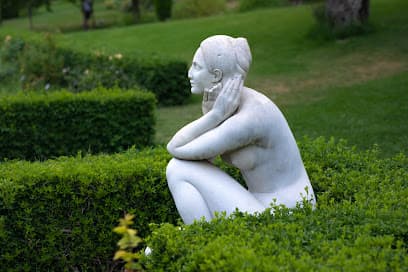
Most people come to Barcelona and spend their time dodging selfie sticks on the Rambla or standing in line for a church that’s been under construction since the dawn of time. They want the noise. They want the spectacle. But if you have any sense, if you want to actually feel the soul of this city without the filter of a gift shop, you head up. You head toward the foothills of Collserola, specifically to the Jardins de Can Sentmenat, and you look for a woman made of stone who has more peace than you’ll ever know.
Serenitat, carved in 1964 by Eulàlia Fàbregas de Sentmenat, is exactly what the name implies. It’s a seated female figure in white marble, tucked away in the gardens of the old Sentmenat family palace. This isn't the kind of art that screams for your attention. It doesn't have a light show or a QR code. It just sits there, unflinching, staring into the middle distance while the rest of the world loses its mind. The marble is smooth, weathered by decades of Mediterranean sun, capturing a moment of absolute, terrifying stillness.
Getting here is half the point. You have to commit. The Jardins de Can Sentmenat aren't on the way to anything else—they’re a bit of a trek, which is exactly why they stay quiet. Unlike the crowded parks downtown, this place feels like a secret the city forgot to tell the tourists. You walk up from the metro, leave the roar of the Diagonal behind, and enter a space that feels like the private backyard of an aristocrat who decided he’d rather be a gardener. The air changes here. It’s cooler, scented with cypress and damp earth, and the sound of the city becomes a distant, muffled hum.
Eulàlia Fàbregas was a woman working in a world of heavy stone and masculine ego, and you can feel that strength in the sculpture. There’s nothing fragile about this 'Serenity.' It’s a heavy, grounded kind of peace. She’s not a decorative trinket; she’s a presence. Fàbregas had this uncanny ability to make marble look like it was breathing, or at least like it had just finished a long, deep exhale. In a city that is constantly reinventing itself to please the next wave of tourists, this statue is a reminder of the Barcelona that doesn't give a damn if you like it or not.
The gardens themselves are a trip. They surround what used to be the ancestral home of the Marquises of Sentmenat, now a design school. It’s got that faded aristocratic vibe—mossy statues, gravel paths that crunch under your boots, and a formality that the 'Serenitat' breaks. She’s raw. She’s naked. She’s real. It’s the kind of place where you can sit on a bench for an hour and realize you haven't checked your phone once.
Is it worth the hike? If you’re looking for a thrill, no. If you want a 'must-see' landmark to check off your list, go somewhere else. But if you’re tired of the hustle, if you’re hungover from too much vermouth and the relentless sun, this is the antidote. It’s a quiet corner of a loud city where you can finally hear yourself think. Just don't tell too many people about it. Let them stay at the Sagrada Família. We’ll keep the silence for ourselves.
Type
Tourist attraction
Features
Tourist attraction
Categories
SculpturePublic ArtGardens
Opening Hours
- MondayOpen 24 hours
- TuesdayOpen 24 hours
- WednesdayOpen 24 hours
- ThursdayOpen 24 hours
- FridayOpen 24 hours
- SaturdayOpen 24 hours
- SundayOpen 24 hours
Accessibility
- Mostly accessible gravel paths
- Significant inclines to reach the gardens from the metro
Location
Les Corts, Barcelona
Nearby
ATTRACTION
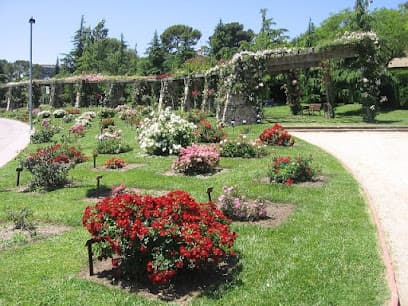
Parc de Cervantes
100 m · Les Corts
A sprawling, fragrant sanctuary at the edge of the city where ten thousand rose bushes bloom and the roar of the Diagonal finally fades into a heavy, floral-scented hush.
4.5(7K)
ParkTourist attraction
ATTRACTION
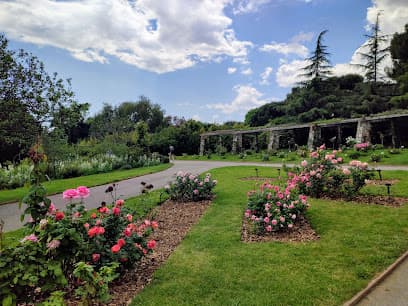
Parc i Roserar de Cervantes
100 m · Les Corts
A four-hectare oxygen hit at the edge of the city where ten thousand rose bushes fight for your attention while the Diagonal's traffic hums in the distance. It’s a full-throttle hit of fragrance and color that drowns out the city.
4.6(402)
Botanical garden
RESTAURANT
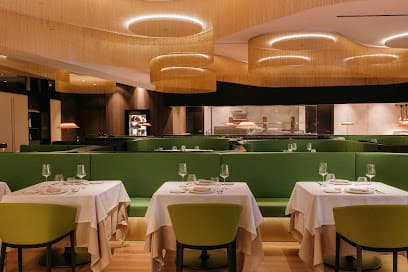
Erre & Urrechu Barcelona
300 m · Les Corts
A temple of smoke and fire in Les Corts where Basque grill master Íñigo Urrechu treats premium beef and wild fish with the primal respect they deserve. No gimmicks, just heat.
4.8(81)
Restaurant

RESTAURANT
Restaurant Tritón Barcelona Pedralbes
550 m · Les Corts
In the hushed, high-rent streets of Pedralbes, Tritón serves up a masterclass in seafood where the product is king, the service is invisible, and the white tablecloths still mean something.
4.3(1K)
RestaurantMediterranean restaurant

HOTEL
Torre Melina, a Gran Meliá Hotel
€€€350 m · Les Corts
A sprawling urban oasis at the edge of the city where the ghosts of old-school glamour meet high-end modern excess and 25,000 square meters of lush, manicured gardens.
4.5(435)
Hotel

HOTEL
abba Garden hotel
€450 m · Barcelona
A quiet spot with actual grass on the edge of the city. It’s built for escaping the tourist crush downtown, hitting the pool, or staying close to the hospital without the sterile vibe.
4.0(793)
HotelBanquet hall
Frequently Asked Questions
Is the Serenitat sculpture worth visiting?
Yes, if you value quiet and public art. It is located in the Jardins de Can Sentmenat, offering a peaceful break from the city's tourist centers.
When can I see the Serenitat sculpture?
The gardens are typically open daily from 10:00 AM until sunset (around 7:00 PM in winter and 9:00 PM in summer).
How much does it cost to visit?
Entry to the Jardins de Can Sentmenat and viewing the sculpture is completely free of charge.
How do I get to the sculpture?
Take the FGC (Line L12) to Reina Elisenda station. From there, it is a short walk uphill to the gardens.
Reviews
0 reviews for Serenitat (1964), d'Eulàlia Fàbregas de Sentmenat
No reviews yet. Be the first to share your experience!