About
If you’re looking for the glittering, Gaudí-drenched Barcelona of the postcards, keep walking. This isn’t it. The Placa commemorativa 'El Congrés de Sants de la CNT de 1918' isn't a sprawling monument or a manicured garden. It’s a piece of stone on a wall in a neighborhood that still remembers what it’s like to work for a living. It’s a marker of a time when Barcelona was known as the 'Rosa de Foc'—the Rose of Fire—and when the men and women who built this city decided they’d had enough of being treated like disposable parts in a machine.
Located on Carrer del Vallespir, right on the edge of Sants and Les Corts, this plaque commemorates the 1918 Sants Congress. This wasn't just some boring meeting with minutes and coffee breaks. This was the moment the Confederación Nacional del Trabajo (CNT), the legendary anarcho-syndicalist union, fundamentally changed the game. They moved away from small, fractured craft unions and organized into 'Sindicatos de Industria'—industrial unions. It was a tactical masterstroke that turned a collection of disgruntled workers into a massive, unified force that could bring the entire city to a grinding halt.
Standing here, you’re standing on the site of the former Ateneu de Sants. In 1918, this place was thick with the smell of cheap tobacco, sweat, and the electric charge of revolution. You had figures like Salvador Seguí, known as 'El Noi del Sucre' (The Sugar Boy), standing up and articulating a vision of a world where the people who did the work actually owned their lives. These weren't academics in ivory towers; these were bakers, glassblowers, and textile workers who were tired of the 'pistolerisme'—the era of hired thugs and assassins sent by factory owners to silence labor leaders in the streets.
The plaque itself is understated, almost easy to miss if you’re distracted by your phone or looking for the nearest tapas chain. But that’s the point. Real history—the kind that actually changed the way people live—doesn't always need a gift shop. It lives in the pavement, in the architecture of the old workers' housing, and in the stubborn, independent spirit of the Sants neighborhood. Sants has always been a place apart, a former village that resisted being swallowed by the city, and it remains one of the few places in Barcelona where you can still feel the unvarnished soul of the working class.
Is it worth the trek? If you care about how the modern world was forged, then yes. It’s a pilgrimage for the restless, for the history buffs who want to see the scars of the city rather than just its makeup. You won't find crowds here. You'll find a quiet street, a few locals walking their dogs, and a profound sense of what it means to stand your ground. It’s a reminder that the rights we take for granted today—the eight-hour workday, the weekend, the very idea of a union—were fought for in places exactly like this, by people who had everything to lose.
After you’ve paid your respects, don’t just head back to the center. Walk through Sants. Go to the Mercat de Sants, a brick-and-iron cathedral of food that hasn't been completely colonized by tourists yet. Drink a vermut at a bar where the floor is covered in sawdust and the bartender doesn't care about your Instagram following. That is the real Barcelona, the one the CNT fought for, and it’s still alive if you know where to look.
Type
Memorial park
Duration
15-30 minutes
Best Time
Daytime to clearly read the plaque and explore the surrounding Sants neighborhood.
Features
Memorial park
Categories
HistoryPolitical HistoryLocal Heritage
Ticket Prices
Free Admission
No tickets required
Must-See Highlights
The commemorative plaque detailing the 1918 Congress
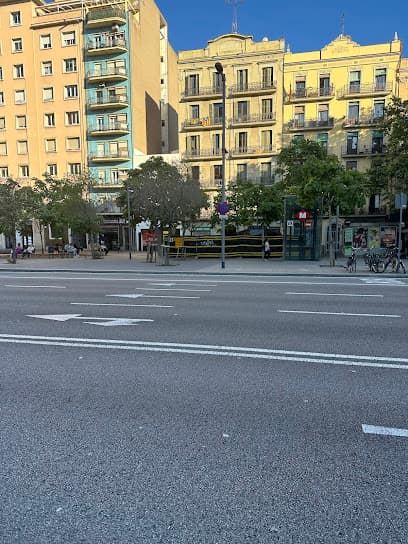
The surrounding Carrer de Vallespir with its traditional architecture
Nearby Mercat de Sants for a taste of local life
Visitor Tips
Combine this with a visit to the nearby Can Batlló, another bastion of neighborhood activism.
Read up on Salvador Seguí before you go to understand the weight of the history here.
The area is great for authentic, non-touristy vermut bars.
Good For
History buffsSolo travelersPolitical science students
Why Visit
Authentic site of revolutionary labor history
Zero tourist crowds and no entry fees
Located in the fiercely local and historic Sants neighborhood
Nearby Landmarks
- 5-minute walk from Plaça del Centre Metro
- 10-minute walk from Barcelona Sants Station
- 10-minute walk from Mercat de Sants
Accessibility
- Public sidewalk access
- Flat terrain
Location
Carrer del Vallespir
Les Corts, Barcelona
Nearby Hotels
Nearby Restaurants
In Les Corts
ATTRACTION
City Bus Tour Stop Plaça Pius XII
Les Corts
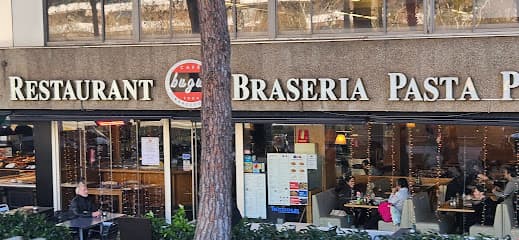
A sun-baked slab of pavement on the Diagonal where the double-deckers pause to vent exhaust and drop off pilgrims heading for the altar of FC Barcelona.
0.0(0)
Tourist attraction
ATTRACTION
Jardins de la Font dels Ocellets
Les Corts
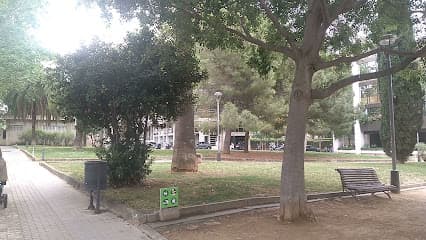
A quiet, unpretentious slice of Les Corts where the only thing louder than the fountain is the sound of locals actually living their lives away from the Gaudí-obsessed crowds.
0.0(0)
Garden
ATTRACTION
Portes de la finca Güell
Les Corts
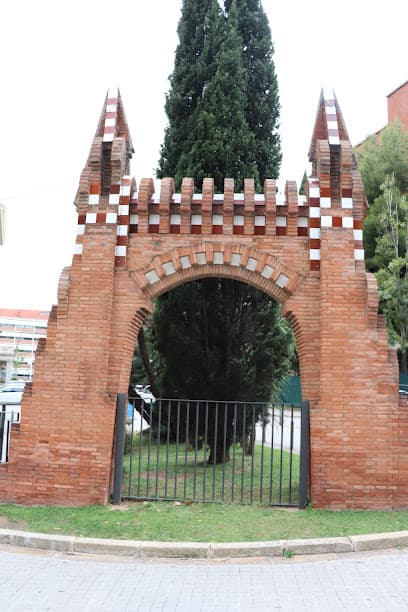
A snarling, wrought-iron dragon guards this early Gaudí masterpiece in Les Corts, where myth meets Mudejar brickwork far from the city's crowded tourist traps.
0.0(0)
Tourist attraction
Frequently Asked Questions
Is the CNT 1918 commemorative plaque worth visiting?
It is worth visiting for history enthusiasts interested in anarchism, labor rights, and the 'Rose of Fire' era of Barcelona. It is a simple plaque on a wall, not a major monument, so it's best visited as part of a larger walk through the Sants neighborhood.
Where exactly is the plaque located?
The plaque is located at Carrer de Vallespir, 12, in the Sants neighborhood (near the border with Les Corts). It marks the site of the former Ateneu de Sants where the 1918 Congress took place.
What was the significance of the 1918 Sants Congress?
The congress was a turning point for the CNT union, where they reorganized into industrial unions (Sindicatos de Únicos). This move significantly increased their bargaining power and led to major labor victories, including the first 8-hour workday law in Spain.
Reviews
0 reviews for Placa commemorativa 'El Congrés de Sants de la CNT de 1918'
No reviews yet. Be the first to share your experience!