4.3
12 verified reviews
About
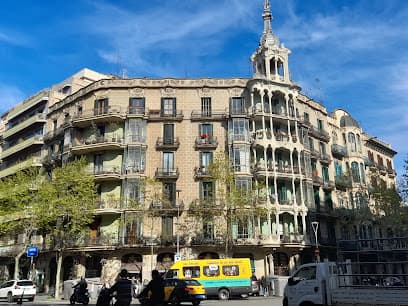
Barcelona isn’t just a city; at the turn of the 20th century, it was a fever dream of a rising bourgeoisie with too much money and a desperate need to show it off. They didn't just build apartments; they built manifestos in stone, glass, and broken ceramic. The Ruta del Modernisme is your map to that madness. It’s not a guided tour where some guy in a vest drones on about dates. It’s a self-guided scavenger hunt across the city, marked by small red paving stones—the 'panot de flor'—embedded in the sidewalk. You follow the flower, and you find the soul of the city.
To do this right, you have to start at one of the Centres del Modernisme—usually the one tucked underground in Plaça de Catalunya or the stunning Sant Pau Recinte Modernista. You buy 'The Pack.' It’s a guidebook, a map, and a book of vouchers. Don't be a cynic about the vouchers; they are the only thing standing between you and a very empty wallet. They get you significant discounts at the heavy hitters: Sagrada Família, Casa Batlló, and La Pedrera. But the real magic of the route isn't just the UNESCO sites that everyone and their grandmother is queuing for. It’s the stuff in between.
As you walk the grid of the Eixample, you start to notice that the Modernisme wasn't just for the elite. It’s in the wrought iron of a balcony that looks like frozen seaweed. It’s in the stained glass of a pharmacy that’s been selling aspirin since 1905. It’s in the 'Block of Discord' (Illa de la Discòrdia) on Passeig de Gràcia, where three legendary architects—Gaudí, Domènech i Montaner, and Puig i Cadafalch—basically engaged in a decades-long architectural pissing contest. You stand on the sidewalk, looking at Casa Batlló’s skeletal balconies and Casa Amatller’s stepped Flemish gables, and you realize these guys genuinely hated each other’s guts, and the city is better for it.
The route covers 120 buildings. You aren't going to see them all in a day. Don't even try. That leads to 'Gaudí fatigue,' a very real condition where your brain stops processing beauty and just wants a cold beer and a dark room. Instead, use the route as a lens. Walk from the Gothic Quarter, where the movement started to breathe, up through the wide, sun-drenched avenues of the Eixample, and eventually toward the hills. You’ll see the Hospital de Sant Pau, which looks more like a palace for the people than a place for the sick, and the Palau de la Música Catalana, a riot of color that makes most modern concert halls look like parking garages.
Is it touristy? Of course it is. But it’s the right kind of touristy. It forces you to look up. In a world where everyone is staring at their phones, the Ruta del Modernisme demands you notice the dragon on the roof, the mosaic under your feet, and the sheer, unadulterated gall of architects who thought a chimney should look like a masked warrior. It’s a long walk, your feet will hurt, and the crowds at the main stops will test your patience. But when you find that one quiet, sun-dappled courtyard in a building you’ve never heard of, and the light hits the trencadís tiles just right, you’ll get it. This is the Barcelona people fall in love with before they even arrive.
Type
Tourist attraction
Features
Tourist attraction
Categories
ArchitectureGaudíHistoryWalking Tour
Opening Hours
- Monday9 AM to 10 PM
- Tuesday9 AM to 10 PM
- Wednesday9 AM to 10 PM
- Thursday9 AM to 10 PM
- Friday9 AM to 10 PM
- Saturday9 AM to 10 PM
- Sunday10 AM to 2 PM
Accessibility
- The route is mostly on public sidewalks which are wheelchair accessible
- Major landmark stops have varying levels of accessibility
Location
Av. de les Drassanes, 6, Planta 21
Ciutat Vella, Barcelona
Nearby
ATTRACTION
Jardí del Museu
100 m · Ciutat Vella
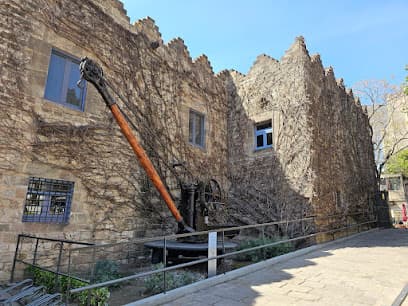
A walled-in sanctuary of orange trees and silence hidden in the Raval’s chaotic gut. It’s where you drink vermut while the city’s noise dies against old stone walls.
4.4(26)
Garden

ATTRACTION
Barcelona Maritime Museum
100 m · Ciutat Vella
Barcelona's maritime museum, housed in a historic shipyard on Avinguda de les Drassanes, best known for its galley; open daily 10 AM to 7 PM.
4.4(12K)
Maritime museumMuseum
RESTAURANT
My Fucking Restaurant
200 m · Ciutat Vella
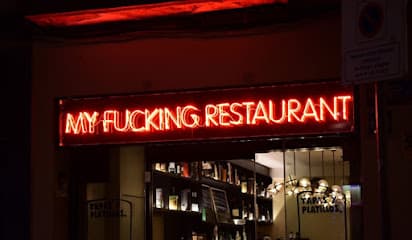
Don't let the provocative name fool you; this Raval haunt delivers a serious, zero-waste masterclass in Mediterranean soul, where the bravas are legendary and the ego is left at the door.
4.4(1K)
Mediterranean restaurantRestaurant
RESTAURANT
Restaurante Il Mercante di Venezia - Italiano Barcelona
€€250 m · Ciutat Vella
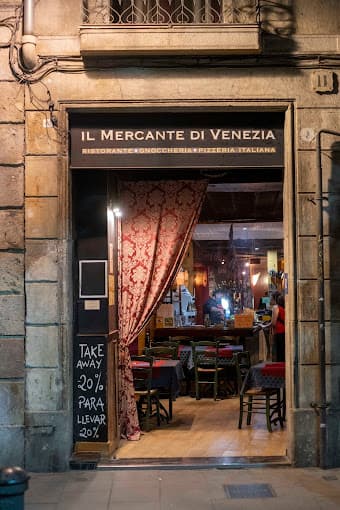
A velvet-drenched Venetian fever dream tucked away near the port. Forget the Rambla's neon noise; come here for heavy drapes, candlelight, and pasta that actually tastes like Italy.
4.4(2K)
Italian restaurantDelivery Restaurant
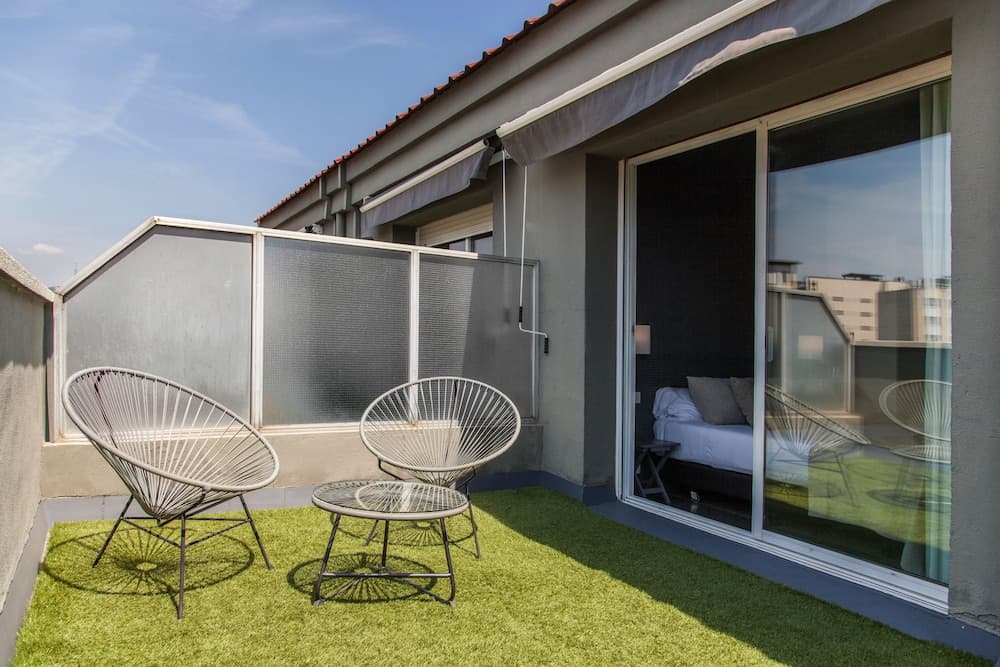
HOTEL
Hotel Sixties
€€€50 m · Ciutat Vella
A neon-soaked love letter to the 1960s tucked into a quiet passage off La Rambla, where vintage Vespas and pop-art flair meet the gritty, salt-stained soul of old Barcelona.
4.2(1K)
Hotel
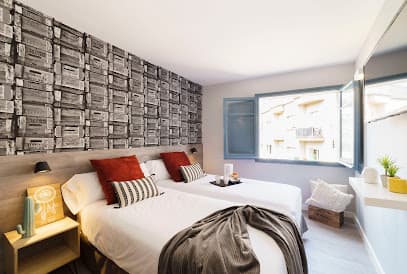
HOTEL
BYPILLOW Wander | Hostal en el Centro de Barcelona
€50 m · Ciutat Vella
A stripped-back, minimalist outpost tucked into the gritty, beautiful ribs of Ciutat Vella. No fluff, just a clean bed and a lift in the thick of the urban fray.
3.5(117)
Guest house
Frequently Asked Questions
Is the Ruta del Modernisme worth it?
Yes, especially if you plan on visiting more than two major sites like Casa Batlló or Sagrada Família. The discount vouchers in the official pack usually pay for the cost of the book itself within the first few stops.
Where can I buy the Ruta del Modernisme pack?
You can buy the official guidebook and voucher pack at the Modernisme Centers located at Plaça de Catalunya (underground), the Sant Pau Recinte Modernista, or the Institut del Paisatge Urbà.
How long does the Ruta del Modernisme take?
The full route includes 120 sites and can take several days to explore fully. Most visitors spend 1-2 days focusing on the Eixample district and the major Gaudí landmarks.
Do I need tickets for the Ruta del Modernisme?
The route itself is a public walking path marked on the sidewalks, which is free. However, the 'Ruta del Modernisme Pack' (guidebook and discounts) requires a purchase, and individual buildings charge their own entry fees.
Reviews
0 reviews for Ruta del Modernisme
No reviews yet. Be the first to share your experience!