4.4
71 verified reviews
About
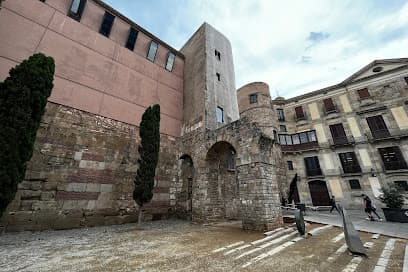
You’re standing in Plaça Nova, likely dodging a tour group or a guy dressed as a giant pigeon, and you’re looking at a ghost. It’s not Segovia. It’s not some pristine, postcard-ready monument standing in the middle of a lonely field. This is the Roman Aqueduct of Barcino, or what’s left of it, and it’s been swallowed, chewed up, and spat back out by two thousand years of Barcelona history. It’s a reminder that before the tapas tours and the Gaudí magnets, there was a serious, functioning imperial outpost here that knew how to move water.
What you see today—those four soaring arches leaning against the side of the Casa de l'Ardiaca—is a bit of architectural taxidermy. In 1958, the city decided to peel back the layers of medieval grime and reveal the Roman bones underneath. They reconstructed these arches using original stones found embedded in the old city walls. It’s a fragment of the 1st-century BC engineering that brought fresh water from the Besòs River, miles away, into the heart of the colony. It’s raw, grey, and indifferent to your presence. It’s the kind of history that doesn't ask for your permission to exist.
Walk past the arches and step into the Carrer de Santa Llúcia. You’re entering the Casa de l'Ardiaca, the Archdeacon’s House. This place is a beautiful, schizophrenic mess of styles. It’s built right onto the Roman wall, incorporating the ancient stone into its own 12th-century foundations. Inside, there’s a courtyard that feels like a pressurized chamber of silence compared to the roar of the Cathedral square just twenty yards away. There’s a palm tree, a fountain, and tiles that have seen better centuries. It’s the kind of place where you can actually hear yourself think, which is a rare commodity in Ciutat Vella.
Don’t miss the mailbox on the outside wall, designed by Lluís Domènech i Montaner in 1902. It’s got three swallows and a tortoise carved into it. The swallows represent the speed of justice, and the tortoise represents the reality of the bureaucracy. It’s a cynical, brilliant piece of Catalan humor that still rings true today. If you’re looking for the best Roman ruins Barcelona has to offer, this isn't the biggest site, but it’s the most visceral. It’s where the ancient world literally supports the weight of the modern one.
Is it worth it? If you want a theme park, go to PortAventura. If you want to see the literal foundation of the city, the grit and the stone that survived the Visigoths, the Moors, and the developers of the 1992 Olympics, then yes, it’s worth ten minutes of your life. It’s free, it’s honest, and it’s been there longer than anything else you’re going to see today. Stand there for a second, touch the stone, and realize that people were standing in this exact spot complaining about the price of wine and the heat of the sun two millennia ago. Some things never change, and that’s the only honest thing left in this neighborhood.
Type
Historical landmark, Tourist attraction
Duration
15-30 minutes
Best Time
Early morning (9:00 AM) when the Casa de l'Ardiaca courtyard first opens and the tour groups haven't yet swamped Plaça Nova.
What People Say
cathedral(4)ruins(3)1958(2)barcelona(2)area(2)
Features
Historical landmark
Tourist attraction
Categories
Roman RuinsHistoryArchitectureGothic Quarter
Ticket Prices
Free Admission
No tickets required
Opening Hours
- MondayOpen 24 hours
- TuesdayOpen 24 hours
- WednesdayOpen 24 hours
- ThursdayOpen 24 hours
- FridayOpen 24 hours
- SaturdayOpen 24 hours
- SundayOpen 24 hours
Must-See Highlights
The reconstructed Roman arches in Plaça Nova
The Modernista mailbox with the tortoise and swallows
The interior courtyard with its 12th-century foundations and palm tree
The view of the Roman wall from inside the building
Visitor Tips
Enter the Casa de l'Ardiaca (it's free) to see the Roman wall from the inside.
Look for the 'Bisbe's Bridge' nearby, but remember the aqueduct is the real history, not the 1920s neo-Gothic bridge.
The Municipal Archives are housed here; it's a place of study, so keep your voice down in the courtyard.
Good For
History buffsBudget travelersArchitecture studentsSolo travelers seeking quiet
Why Visit
Original 1st-century BC Roman engineering fused into medieval architecture
Home to the iconic Modernista 'Tortoise Mailbox' by Domènech i Montaner
One of the quietest and most secluded free courtyards in the Gothic Quarter
Nearby Landmarks
- 1-minute walk from Barcelona Cathedral
- Located directly on Plaça Nova
- 3-minute walk from Plaça de Sant Felip Neri
- 5-minute walk from MUHBA (Museum of History of Barcelona)
Accessibility
- Exterior arches are fully accessible from the street
- Courtyard of Casa de l'Ardiaca is ground-level and accessible
Location
La Casa de l'Ardiaca, Carrer de Santa Llúcia, 1
Ciutat Vella, Barcelona
Nearby Hotels
Nearby Restaurants
In Ciutat Vella
ATTRACTION
Park
Ciutat Vella
A thousand years of silence tucked behind a Romanesque monastery, where the grit of El Raval dissolves into ancient stone, cool shadows, and the heavy weight of history.
0.0(0)
Park
ATTRACTION
BARSHELONA
Ciutat Vella
Forget the plastic bulls and tacky magnets. This is where Barcelona’s soul is bottled into art, a small sanctuary of local design hidden in the shadows of the Gothic Quarter.
0.0(0)
Tourist attraction
ATTRACTION
Minajoe art
Ciutat Vella
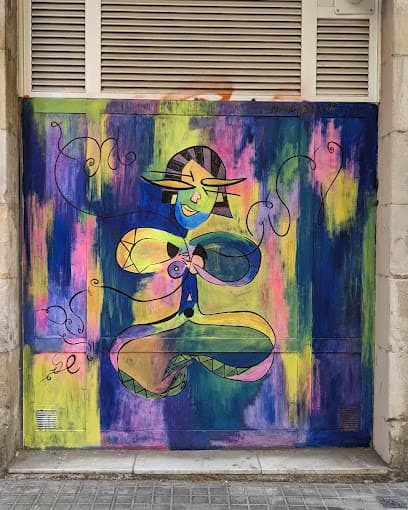
A raw, paint-splattered antidote to the sterile museum circuit. This is where pop-art meets the grit of the street, served straight from the artist’s hands in the heart of old Barcelona.
0.0(0)
Tourist attraction
Frequently Asked Questions
Is the Roman Aqueduct in Barcelona worth visiting?
Yes, especially if you appreciate history without the crowds. It's a quick, free, and visceral look at the city's 2,000-year-old foundations integrated into medieval buildings.
Do I need tickets for the Roman Aqueduct?
No, the exterior arches in Plaça Nova are visible from the street 24/7. Access to the interior courtyard of Casa de l'Ardiaca is also free during its opening hours.
What is the famous mailbox at Casa de l'Ardiaca?
Designed by Lluís Domènech i Montaner, the Modernista mailbox features swallows and a tortoise, symbolizing the ideal speed of justice versus the slow reality of bureaucracy.
How do I get to the Roman Aqueduct?
It is located in Plaça Nova, right next to the Barcelona Cathedral. The nearest Metro station is Jaume I (L4) or Catalunya (L1/L3), both a short walk away.
Reviews
0 reviews for Roman Aqueduct
No reviews yet. Be the first to share your experience!