4.5
2 verified reviews
About
Via Laietana is a brutal, exhaust-choked artery that cuts a jagged scar through the heart of Barcelona’s old city. It is a place of noise, of rushing commuters, and of grand, imposing buildings that look like they were designed to make you feel small. Most people use this street as a transit corridor, a way to get from the madness of Urquinaona to the salt air of the port as quickly as possible. They keep their heads down, checking their phones, dodging the scooters, and completely missing the ghost in the pavement at number 69.
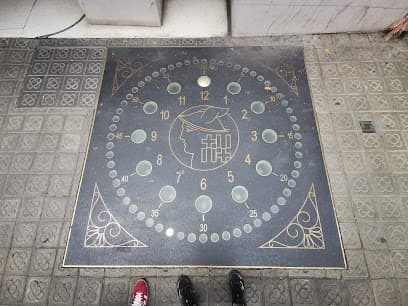
This is the Rellotge lluminós al terra—the luminous floor clock. It’s a giant, circular timepiece embedded directly into the sidewalk, a piece of functional Art Deco jewelry that has been telling the time to the soles of people's shoes since 1935. It was the brainchild of Juan Cabrerizo, a jeweler and watchmaker who owned the shop right behind it. He didn't just want a sign; he wanted a landmark. He wanted something that would stop you in your tracks, literally.
For decades, the clock was a casualty of time itself. It fell into disrepair, the glass cracked, the internal mechanisms rusted, and the light—the very thing that made it magical—went dark. It became just another patch of grimy sidewalk, a forgotten relic of a Barcelona that valued small, eccentric flourishes. But in 2018, the city and the descendants of Cabrerizo finally got their act together. They ripped up the old, broken guts of the thing and replaced them with modern LED technology and reinforced glass, bringing the 'Luminous Clock' back from the dead.
Standing over it today is a strange, meditative experience. While the rest of the city is screaming for your attention with neon signs and tourist menus, this clock just sits there, glowing softly underfoot. It’s a massive face, about two meters wide, with Roman numerals and hands that actually move, powered by a synchronized system that keeps it accurate to the second. At night, it’s at its best. The light bleeds out from under the glass, casting a pale, ghostly glow on the legs of passersby who, more often than not, don't even realize they are walking over a piece of history.
Is it a 'must-see' in the traditional sense? Probably not. If you’re looking for the grandiosity of the Sagrada Familia, you’re going to be disappointed by a circle in the ground. But if you care about the texture of a city—the small, weird, stubborn details that survive wars, dictatorships, and urban renewal—then this is essential. It’s a reminder that beauty doesn't always have to be at eye level. Sometimes, you have to look at the dirt to find the light.
It’s free, it’s honest, and it doesn’t want anything from you. It’s just a clock. But in a world that’s increasingly plastic and temporary, there’s something deeply satisfying about a 90-year-old watchmaker’s dream still ticking away in the middle of a busy sidewalk. It’s a middle finger to the ephemeral, a glowing circle of defiance against the rush of modern life. Stop for a second. Look down. Realize that time is passing whether you’re looking at it or not. Then go get a vermouth.
Type
Tourist attraction
Duration
5-10 minutes
Best Time
After sunset when the internal LED lights are most visible.
Features
Tourist attraction
Categories
HistoryArt DecoHidden GemPublic Art
Ticket Prices
Free Admission
No tickets required
Opening Hours
- MondayOpen 24 hours
- TuesdayOpen 24 hours
- WednesdayOpen 24 hours
- ThursdayOpen 24 hours
- FridayOpen 24 hours
- SaturdayOpen 24 hours
- SundayOpen 24 hours
Must-See Highlights
The moving clock hands beneath the glass
The Roman numeral clock face
The soft glow of the LEDs at night
Visitor Tips
Look for the number 69 on Via Laietana; the clock is directly in front of the entrance.
Watch your step—the glass can be slightly slippery when wet.
Combine this with a visit to the nearby Palau de la Música Catalana for a dose of early 20th-century design.
Good For
History buffsPhotographersBudget travelersFlâneurs
Why Visit
The only luminous sidewalk clock of its kind in Barcelona
Original 1935 Art Deco design by jeweler Juan Cabrerizo
A rare 'hidden in plain sight' landmark that survived the Spanish Civil War
Nearby Landmarks
- Palau de la Música Catalana (3-minute walk)
- Plaça d'Urquinaona (2-minute walk)
- Barcelona Cathedral (8-minute walk)
- Mercat de Santa Caterina (6-minute walk)
Accessibility
- Located on a flat public sidewalk
- Wheelchair accessible
- Outdoor public space
Location
Via Laietana, 69
Ciutat Vella, Barcelona
Nearby Hotels
Nearby Restaurants
In Ciutat Vella
ATTRACTION
Park
Ciutat Vella
A thousand years of silence tucked behind a Romanesque monastery, where the grit of El Raval dissolves into ancient stone, cool shadows, and the heavy weight of history.
0.0(0)
Park
ATTRACTION
BARSHELONA
Ciutat Vella
Forget the plastic bulls and tacky magnets. This is where Barcelona’s soul is bottled into art, a small sanctuary of local design hidden in the shadows of the Gothic Quarter.
0.0(0)
Tourist attraction
ATTRACTION
Minajoe art
Ciutat Vella
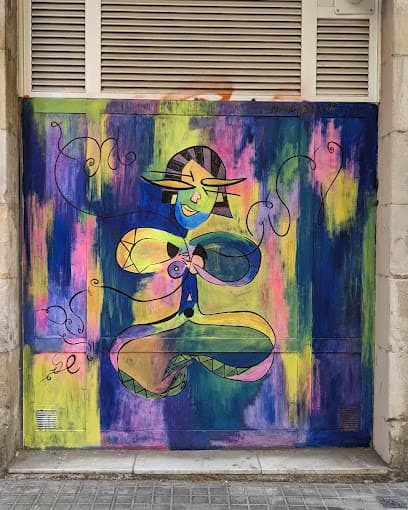
A raw, paint-splattered antidote to the sterile museum circuit. This is where pop-art meets the grit of the street, served straight from the artist’s hands in the heart of old Barcelona.
0.0(0)
Tourist attraction
Frequently Asked Questions
Is the Rellotge lluminós al terra worth visiting?
Yes, if you enjoy finding quirky, historical details that most tourists miss. It only takes a minute to see, but it's a unique piece of 1930s Art Deco history located right on a main thoroughfare.
What is the best time to see the sidewalk clock?
Visit at dusk or night. The clock is illuminated from within, making it much easier to see and more atmospheric than during the bright daylight hours.
Where exactly is the clock located?
It is embedded in the sidewalk directly in front of Via Laietana, 69, in the Ciutat Vella district, near the Urquinaona metro station.
How much does it cost to see the clock?
It is completely free as it is located on a public sidewalk. You can walk over it at any time of day or night.
Reviews
0 reviews for Rellotge lluminós al terra
No reviews yet. Be the first to share your experience!