4.6
32 verified reviews
About
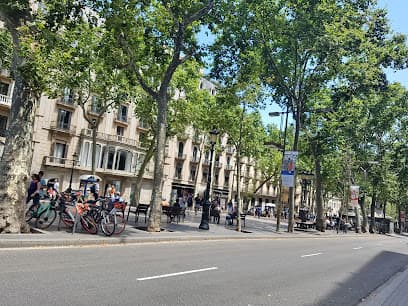
You start at Plaça de Catalunya, the city’s polished, pigeon-infested living room, and then you cross the street. Suddenly, the air changes. It’s thicker, smelling of exhaust, frying oil, and the sweat of ten thousand tourists all looking for something 'authentic' while buying plastic bullfighter hats. This is the Rambla de Canaletes, the first stretch of the world’s most famous pedestrian meat-grinder. It’s not a place for the faint of heart or the slow of foot, but if you want to see the raw, unwashed heart of Barcelona sightseeing, you have to run this gauntlet.
The centerpiece here isn't a grand cathedral or a Gaudí masterpiece; it’s a modest, four-spouted iron fountain topped with a street lamp. The Font de Canaletes. The legend says that if you drink from it, you are destined to return to Barcelona. It’s a clever bit of marketing from the city’s ancestors, ensuring a steady stream of repeat customers. But for the locals, the 'Culés,' this fountain is holy ground. This is where FC Barcelona fans have gathered since the 1930s to celebrate every trophy, every last-minute goal, and every humiliation of their rivals. Back then, they came here because the offices of the 'La Rambla' newspaper were right here, and they’d post the scores in the window. The newspaper is long gone, but the tradition remains—a sea of blue and garnet chanting into the night whenever the boys in the jerseys do something right.
Walking this stretch is a sensory overload. You’ve got the kiosks—relics of a pre-digital age—selling international newspapers, cheap postcards, and overpriced magnets. You used to have the bird sellers here, a cacophony of chirping and the smell of wet feathers, but they’ve mostly been cleared out in the name of progress and animal rights. What’s left is the 'human zoo.' It’s a theater of the absurd. You’ll see living statues painted in silver, street performers of varying talent, and the ever-present, eagle-eyed pickpockets. Let’s be honest: if you aren’t clutching your bag like it contains the secret to eternal life, you’re asking for trouble. It’s part of the tax you pay for being here.
But look past the tourist traps and the hustle. Look at the architecture above the ground floor—the ornate balconies and the weathered stone that has seen everything from the Civil War to the 1992 Olympics. There’s a grit here that the gentrified parts of Eixample can’t replicate. It’s the gateway to the Ciutat Vella, the old city, and it feels like it. The pavement is worn smooth by millions of pairs of shoes, a literal erosion of history underfoot.
Is Rambla de Canaletes worth it? If you’re looking for a quiet, contemplative stroll, absolutely not. It’s loud, it’s crowded, and it’s slightly dangerous if you’re distracted. But if you want to feel the electricity of a city that refuses to sleep, you stand by that fountain. You watch the world go by—the students, the grandmothers, the scammers, and the dreamers. You take a sip of that water, knowing full well the 'curse' is probably true. You’ll be back. Not because it’s perfect, but because it’s real. It’s the kind of beautiful, messy honesty that defines Barcelona. Just keep your hand on your wallet and your eyes on the street.
Type
Tourist attraction
Duration
30-45 minutes
Best Time
Early morning for photos, or late evening for the local atmosphere.
What People Say
kiosk(3)pickpockets(2)symbol(2)strolling(2)hotel(2)souvenirs(2)
Features
Tourist attraction
Categories
StreetHistoryFootball CulturePublic Art
Ticket Prices
Free Admission
No tickets required
Must-See Highlights
Font de Canaletes iron fountain
Traditional newspaper and flower kiosks
Historic building facades above the shops
The mosaic tiles of the Rambla walkway
Visitor Tips
Wear your backpack on your front in this area.
Don't engage with the 'shell game' players on the street; it's a scam.
Look up at the architecture above the souvenir shops to see the real history.
If Barça wins a game, head here to see the local celebrations firsthand.
Good For
PhotographyPeople WatchingHistory BuffsFootball Fans
Why Visit
The legendary Font de Canaletes fountain
The historic meeting point for FC Barcelona victory celebrations
The transition point between modern Plaça de Catalunya and the historic Gothic Quarter
Nearby Landmarks
- Plaça de Catalunya (1-minute walk)
- La Boqueria Market (7-minute walk)
- Palau de la Música Catalana (8-minute walk)
- Barcelona Cathedral (10-minute walk)
Accessibility
- Flat pedestrian boulevard
- Wheelchair accessible
- Tactile paving in some areas
Location
Rambla de Canaletes
Ciutat Vella, Barcelona
Nearby Hotels
Nearby Restaurants
In Ciutat Vella
ATTRACTION
Park
Ciutat Vella
A thousand years of silence tucked behind a Romanesque monastery, where the grit of El Raval dissolves into ancient stone, cool shadows, and the heavy weight of history.
0.0(0)
Park
ATTRACTION
BARSHELONA
Ciutat Vella
Forget the plastic bulls and tacky magnets. This is where Barcelona’s soul is bottled into art, a small sanctuary of local design hidden in the shadows of the Gothic Quarter.
0.0(0)
Tourist attraction
ATTRACTION
Minajoe art
Ciutat Vella
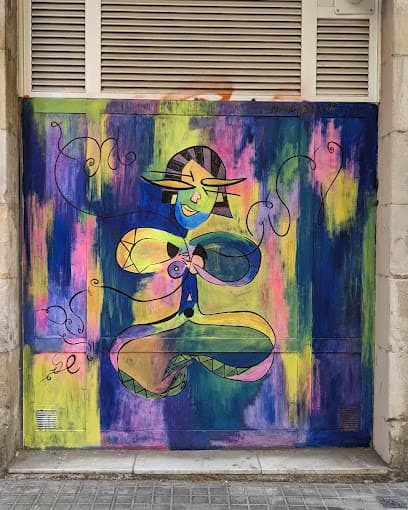
A raw, paint-splattered antidote to the sterile museum circuit. This is where pop-art meets the grit of the street, served straight from the artist’s hands in the heart of old Barcelona.
0.0(0)
Tourist attraction
Frequently Asked Questions
Is the water from Font de Canaletes safe to drink?
Yes, the water is potable and safe. According to local legend, drinking from it ensures you will return to Barcelona one day.
Is Rambla de Canaletes safe for tourists?
It is generally safe but notorious for pickpockets. Keep your belongings in front of you, avoid carrying large amounts of cash, and stay alert in crowded areas.
Why do FC Barcelona fans celebrate here?
The tradition started in the 1930s when the 'La Rambla' newspaper office located here would post match results in their windows for fans to see.
What is the best time to visit Rambla de Canaletes?
Early morning (before 10:00 AM) is best if you want to avoid the heaviest crowds, though the atmosphere is most 'Barcelona' in the late afternoon and evening.
Reviews
0 reviews for Rambla de Canaletes
No reviews yet. Be the first to share your experience!