About
If you’re tired of the elbow-to-elbow shuffle at the Sagrada Família or the Disney-fied madness of Park Güell, head out to Les Corts. This isn't the Barcelona of postcards and cheap sangria. It’s a neighborhood of wide boulevards, university buildings, and a quiet, residential dignity that most tourists never bother to penetrate. But right there, on Avinguda de Pedralbes, sits a gate that looks like it was forged in the nightmares of a medieval blacksmith. This is the Portes de la finca Güell, and it is where the legend of Antoni Gaudí really begins to grow its teeth.
The star of the show is the Dragon Gate—the Porta del Drac. It’s a five-meter-wide beast of wrought iron, a snarling, articulated monster that represents Ladon, the mythical dragon guarding the Garden of the Hesperides. When the gate used to swing open, the dragon’s mouth would move, a bit of mechanical theater that must have terrified 19th-century delivery boys. It’s not 'pretty' in the way people expect Gaudí to be. It’s aggressive. It’s industrial. It’s a protein hit of pure, unadulterated craftsmanship that reminds you that before Gaudí was a saint of architecture, he was a man who knew how to bend iron to his will.
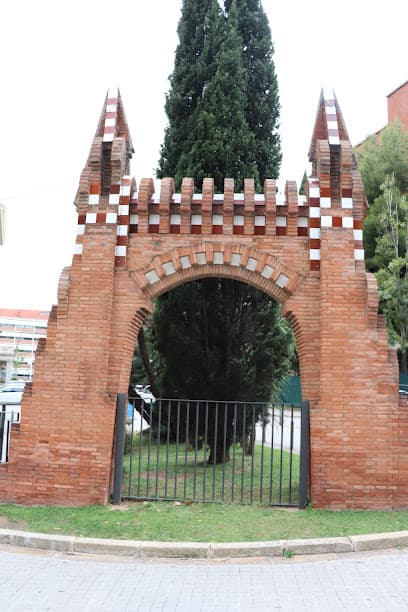
This was Gaudí’s first major commission for Eusebi Güell, the man with the deep pockets who would eventually fund the architect's most ambitious fever dreams. In the 1880s, Güell wanted to remodel his country estate, and a young Gaudí stepped up to design the boundary walls and the gatehouses. What he delivered was a masterclass in Mudejar influence—think red bricks, yellow stone, and intricate geometric patterns that feel more like North Africa than the Mediterranean. The pavilions themselves, which housed the stables and the lunging ring, are capped with ventilators that look like early prototypes for the 'warrior' chimneys you see later at La Pedrera.
Walking around the perimeter, you see the obsession with detail. The walls are topped with ceramic spikes and floral motifs that look like they were plucked from a Moorish palace. It’s a transition point in history. You’re seeing the moment where traditional Spanish building techniques collided with a mind that refused to accept a straight line as a final answer. The use of the parabolic arch—a Gaudí signature—makes its debut here in the stables, providing a structural integrity that looks as modern today as it did in 1884.
The honest truth? You can see the best part—the dragon—from the sidewalk without paying a cent. The interior access has been notoriously fickle over the years due to ongoing restorations and changes in management between the University of Barcelona and the city’s museum network. If the gates are open, pay the few euros to walk the grounds. It’s quiet. There are no gift shops selling plastic lizards. It’s just you, the brickwork, and the ghost of a young architect trying to prove he was the best in the world.
Is it worth the trek? If you give a damn about how things are made, yes. It’s a reminder that genius doesn't just appear out of nowhere; it’s built, brick by brick, through commissions for wealthy patrons and a relentless, almost pathological attention to the way iron meets stone. Come for the dragon, stay for the quiet realization that you’re standing at the ground zero of Modernisme. It’s a short visit, maybe thirty minutes, but it’ll stick in your brain longer than a three-hour tour of a crowded cathedral.
Type
Tourist attraction
Duration
30-45 minutes
Best Time
Morning for the best light on the iron dragon and fewer shadows for photography.
Guided Tours
Available
Features
Tourist attraction
Categories
ArchitectureGaudíModernismeHistory
Ticket Prices
adult€6.00
childFree
senior€3.00
Must-See Highlights
The Porta del Drac (Dragon Gate)
The Mudejar brickwork of the pavilions
The parabolic arches inside the stables
The antimony-topped ventilators
Visitor Tips
You can see the best part—the dragon—for free from the sidewalk.
Combine this with a visit to the nearby Monastery of Pedralbes for a full morning of history.
Check the official website before going, as opening hours for the interior are often restricted due to university use or restoration.
Good For
Architecture enthusiastsGaudí fansPhotographyQuiet exploration
Why Visit
The legendary articulated wrought-iron Dragon Gate
Gaudí's first major commission for his patron Eusebi Güell
Stunning Mudejar-style brickwork and early parabolic arches
Nearby Landmarks
- Palau Reial de Pedralbes (5-minute walk)
- Camp Nou Stadium (10-minute walk)
- Monestir de Pedralbes (15-minute walk)
- Parc de Cervantes (12-minute walk)
Accessibility
- Wheelchair accessible exterior
- Flat garden paths
- Accessible from street level
Location
Av. de Joan XXIII, 27
Les Corts, Barcelona
Nearby Hotels
Nearby Restaurants
In Les Corts
ATTRACTION
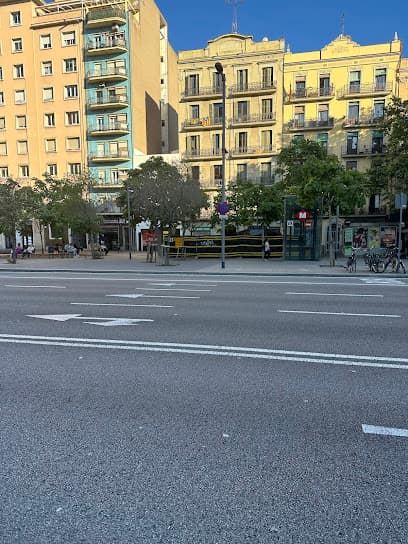
Placa commemorativa 'El Congrés de Sants de la CNT de 1918'
Les Corts
A humble plaque marking the spot where the CNT redefined the labor struggle in 1918. No gift shops here, just the ghosts of the 'Rose of Fire' and the grit of Sants.
0.0(0)
Memorial park
ATTRACTION
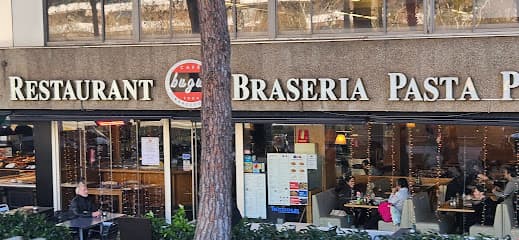
City Bus Tour Stop Plaça Pius XII
Les Corts
A sun-baked slab of pavement on the Diagonal where the double-deckers pause to vent exhaust and drop off pilgrims heading for the altar of FC Barcelona.
0.0(0)
Tourist attraction
ATTRACTION
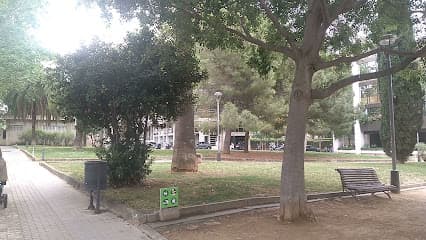
Jardins de la Font dels Ocellets
Les Corts
A quiet, unpretentious slice of Les Corts where the only thing louder than the fountain is the sound of locals actually living their lives away from the Gaudí-obsessed crowds.
0.0(0)
Garden
Frequently Asked Questions
Is Finca Güell worth visiting?
Yes, especially for the Dragon Gate. It is one of Gaudí's most impressive early works and offers a quiet, authentic look at his craftsmanship without the massive crowds found at his more famous sites.
What is the Dragon Gate?
The Dragon Gate (Porta del Drac) is a massive wrought-iron gate designed by Gaudí representing the mythical dragon Ladon. It is famous for its intricate detail and the fact that its jaw was originally designed to move when the gate opened.
How do I get to the Güell Pavilions?
The easiest way is to take the Metro Line 3 (Green) to the Maria Cristina station. From there, it is about a 10-minute walk up Avinguda de Joan XXIII.
Can you go inside the Finca Güell?
Access to the interior stables and gardens depends on the current restoration schedule. However, the famous Dragon Gate and much of the Mudejar brickwork are clearly visible from the public street at any time.
Reviews
0 reviews for Portes de la finca Güell
No reviews yet. Be the first to share your experience!