4.4
102 verified reviews
About
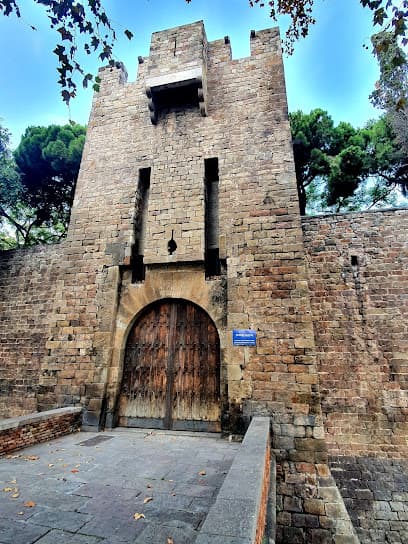
Most people walking down the Avenida del Paral·lel are looking for something else. They’re looking for the theaters, the late-night tapas joints, or the quickest route to the cruise ship terminals. They walk right past a massive, soot-stained hunk of 14th-century history without so much as a sideways glance. That’s their mistake. The Portal de Santa Madrona isn’t just a pile of rocks; it’s the last tooth in a mouth that’s been kicked in by centuries of urban progress. It is the only surviving gate of the medieval walls that once kept this city a cramped, claustrophobic, and fiercely defended pressure cooker.
Back in the 1300s, Barcelona was a different animal. It was a fortress. If you wanted in, you had to prove you belonged, or at least that you weren't carrying the plague. The Portal de Santa Madrona was the gateway to the south, leading out toward the slopes of Montjuïc and a small chapel dedicated to the saint herself. Today, it stands as a silent witness to the time when the Drassanes Reials—the Royal Shipyards next door—were churning out the galleys that made the Crown of Aragon a Mediterranean powerhouse. You can still see the battlements, the stone corbels, and the bridge crossing what used to be a moat but is now a surprisingly peaceful garden.
Finding the place open is like winning a low-stakes lottery. It doesn’t cater to the mass-market tourism schedule. Usually, the gates only swing open on the first and third Sunday of the month, or during the feast of Santa Madrona in March. When you do get inside, you’re in the Jardins del Baluard. It’s a strange, elevated pocket of green that sits atop the old ramparts. The noise of the city—the screeching scooters, the shouting tourists, the grinding gears of the port—suddenly drops away. You’re standing on the same stones where sentries once watched for pirate sails on the horizon. It’s one of the best medieval sites in Barcelona precisely because it hasn't been polished into a souvenir-selling caricature of itself.
The architecture is pure Gothic military utility. No frills, no unnecessary flourishes. It was built to stop people from killing the inhabitants, and it looks the part. The stone is weathered, scarred by time and the humid salt air of the Mediterranean. While the rest of the city’s walls were torn down in the 19th century to allow the Eixample to breathe, this section survived because it was tucked against the military shipyards. It’s a lucky accident of history that we can still touch these stones.
Is Portal de Santa Madrona worth it? If you’re looking for interactive displays and air-conditioned gift shops, absolutely not. Go to a mall. But if you want to feel the actual weight of the Middle Ages, if you want to see the literal edge of what was once the known world for a Barcelonan, then yes. It’s a reminder that the city didn't just grow; it burst out of its skin. It’s a place for the quiet ones, the history nerds, and the people who prefer their monuments with a bit of dirt under their fingernails.
When you leave, walk back out into the chaos of El Raval. The contrast is the whole point. You go from the silent, defensive posture of the 14th century to the messy, vibrant, slightly dangerous energy of modern Barcelona in about ten steps. That’s the real Barcelona experience—the layers of time stacked on top of each other, occasionally letting you peek through a crack in the wall.
Type
Monument, Tourist attraction
Duration
30-45 minutes
Best Time
First or third Sunday of the month at 11:00 AM to ensure the gates are open.
What People Say
ramparts(14)history(9)medieval(7)sunday(6)garden(5)18th century(3)photography(3)association(2)
Features
Monument
Tourist attraction
Categories
ArchitectureMedieval HistoryMilitary HistoryGardens
Ticket Prices
Free Admission
No tickets required
Must-See Highlights
The Gothic archway of the main gate
The defensive battlements and stone corbels
The view of the Drassanes Reials from the ramparts
The peaceful Jardins del Baluard
Visitor Tips
Check the Museu Marítim website before visiting as opening hours are very restricted.
Combine this with a visit to the Maritime Museum next door to see the full shipyard complex.
Look for the small statue of Santa Madrona above the gate.
Good For
History buffsPhotography enthusiastsSolo travelersBudget travelers
Why Visit
The only surviving gate of Barcelona's 14th-century medieval walls
Access to the Jardins del Baluard, a quiet garden atop ancient ramparts
Authentic, unpolished Gothic military architecture
Nearby Landmarks
- 1-minute walk from Museu Marítim de Barcelona
- 5-minute walk from Mirador de Colom (Columbus Monument)
- 6-minute walk from Las Ramblas
- 8-minute walk from Rambla del Raval
Accessibility
- Partial wheelchair access to the garden via ramps
- Uneven medieval stone surfaces
Location
Av. del Paral·lel, 12
Ciutat Vella, Barcelona
Nearby Hotels
Nearby Restaurants
In Ciutat Vella
ATTRACTION
Park
Ciutat Vella
A thousand years of silence tucked behind a Romanesque monastery, where the grit of El Raval dissolves into ancient stone, cool shadows, and the heavy weight of history.
0.0(0)
Park
ATTRACTION
BARSHELONA
Ciutat Vella
Forget the plastic bulls and tacky magnets. This is where Barcelona’s soul is bottled into art, a small sanctuary of local design hidden in the shadows of the Gothic Quarter.
0.0(0)
Tourist attraction
ATTRACTION
Minajoe art
Ciutat Vella
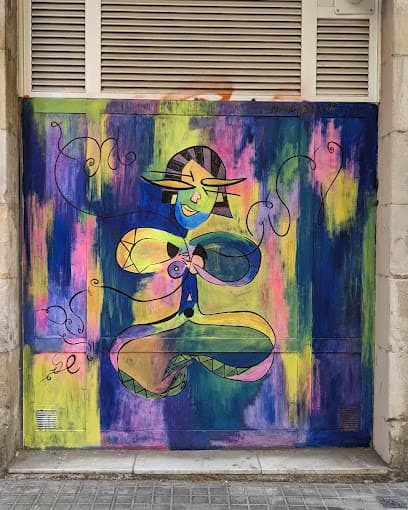
A raw, paint-splattered antidote to the sterile museum circuit. This is where pop-art meets the grit of the street, served straight from the artist’s hands in the heart of old Barcelona.
0.0(0)
Tourist attraction
Frequently Asked Questions
Is Portal de Santa Madrona worth visiting?
Yes, if you appreciate authentic medieval history without the crowds. It is the only surviving gate of the city's 14th-century walls and offers a unique, quiet perspective on Barcelona's fortified past.
When is Portal de Santa Madrona open?
Access is limited; the gate and the Baluard gardens are typically open only on the first and third Sunday of each month from 11:00 AM to 2:00 PM, and during local festivals like Santa Madrona (March).
How much does it cost to enter?
Entry to the Jardins del Baluard and the Portal de Santa Madrona is generally free during their limited Sunday opening hours.
Where is Portal de Santa Madrona located?
It is located at Avinguda del Paral·lel, 12, right next to the Museu Marítim de Barcelona in the El Raval neighborhood, near the Drassanes metro station.
Reviews
0 reviews for Portal de Santa Madrona
No reviews yet. Be the first to share your experience!