About
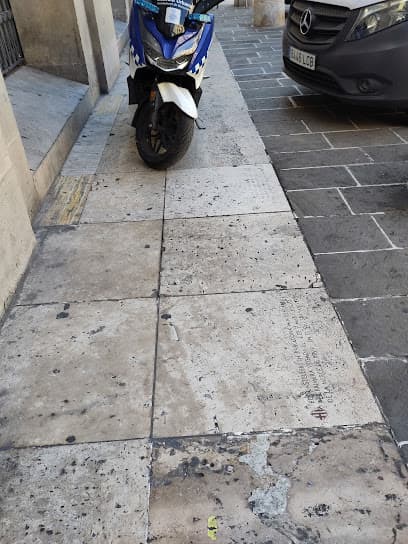
Plaça de Sant Jaume is the heavy-hitting political epicenter of Barcelona. On one side, you’ve got the Palau de la Generalitat; on the other, the Ajuntament. It’s a place of suits, sirens, and high-stakes bureaucracy. But if you look closer at the stone walls of the City Hall, away from the grand entrances and the armed guards, you’ll find something far more interesting. You’ll find the Plaques commemoratives als Castellers de Barcelona. These aren't just brass markers; they are scars of pride, documenting the moments when ordinary people—butchers, bakers, and tech geeks—decided to defy gravity and common sense to build towers out of human flesh.
To understand these plaques, you have to understand the 'castell.' It is a beautiful, terrifying, and quintessentially Catalan madness. A 'colla' (a team) gathers in this square, hundreds of people deep. The 'pinya'—the base—is a crushing mass of humanity, arms locked, heads down, acting as a living shock absorber. Then, the levels rise. Men and women climb onto shoulders, then more on top of them, until a tiny child, the 'enxaneta,' crawls to the very summit and raises a hand. When you stand in front of these plaques, you are standing on the 'Plaça de les Grans Diades,' the hallowed ground where the most legendary towers in history have been raised or, more often than the highlight reels show, have come crashing down.
The plaques themselves are understated, which is the right way to do it. One marks the 25th anniversary of the Castellers de Barcelona, the local 'colla' founded in 1969 who wear the iconic red shirts. Others commemorate specific 'castells de nou'—nine-story towers—that were successfully completed here. They serve as a permanent record of collective will. In a world that prizes individual achievement, the castellers are an anomaly. You can’t build a human tower alone. You need the guy twice your size holding your weight, and you need the person half your size to trust you won't let them fall. It’s a visceral, sweaty, high-stakes metaphor for society that actually works.
If you visit during a festival like La Mercè in September or Santa Eulàlia in February, this square is a mosh pit of tradition. The air smells of sweat and faja (the long black sashes they wear). The sound is a piercing wall of 'gralles'—traditional double-reed instruments that signal to the climbers exactly what level the tower has reached. But on a quiet Tuesday morning, when the square is just a shortcut for tourists and pigeons, these plaques are a quiet reminder of what happens when a community decides to act as one.
Is it worth the trek? If you’re looking for a flashy monument with a gift shop, move along. But if you want to understand the soul of this city—the part that isn't for sale to cruise ship passengers—spend five minutes here. Look at the height of the buildings, imagine a tower of people reaching toward the balconies, and feel the phantom weight of it. It’s a tribute to the fact that in Barcelona, the most impressive structures aren't made of stone and mortar, but of bone, muscle, and a hell of a lot of nerve. It’s the best free thing to do in Barcelona if you have even a shred of appreciation for human endurance.
Type
Tourist attraction
Duration
15-30 minutes
Best Time
During La Mercè festival to see the actual towers being built.
Features
Tourist attraction
Categories
CultureHistoryLocal Traditions
Ticket Prices
Free Admission
No tickets required
Opening Hours
- MondayOpen 24 hours
- TuesdayOpen 24 hours
- WednesdayOpen 24 hours
- ThursdayOpen 24 hours
- FridayOpen 24 hours
- SaturdayOpen 24 hours
- SundayOpen 24 hours
Must-See Highlights
The 25th-anniversary plaque of the Castellers de Barcelona
The 'Castell de Nou' commemorative markers
The contrast between the plaques and the grand government facades
Visitor Tips
Look for the plaques on the side walls of the City Hall, not just the main entrance.
Visit on a Sunday morning; you might catch a local 'colla' practicing or performing nearby.
Combine this with a visit to the MUHBA Temple d'August just a block away.
Good For
History buffsCulture seekersBudget travelersPhotography
Why Visit
Authentic tribute to the 'Castellers de Barcelona' founded in 1969
Located in the 'Plaça de les Grans Diades', the most historic site for human towers
A rare monument dedicated to collective community effort rather than a single individual
Nearby Landmarks
- 1-minute walk from Palau de la Generalitat
- 5-minute walk from Barcelona Cathedral
- 4-minute walk from Plaça Reial
- 6-minute walk from La Rambla
Accessibility
- Outdoor public square
- Fully wheelchair accessible
- Level ground
Location
Pl. de Sant Jaume, 8
Ciutat Vella, Barcelona
Nearby Hotels
Nearby Restaurants
In Ciutat Vella
ATTRACTION
Park
Ciutat Vella
A thousand years of silence tucked behind a Romanesque monastery, where the grit of El Raval dissolves into ancient stone, cool shadows, and the heavy weight of history.
0.0(0)
Park
ATTRACTION
BARSHELONA
Ciutat Vella
Forget the plastic bulls and tacky magnets. This is where Barcelona’s soul is bottled into art, a small sanctuary of local design hidden in the shadows of the Gothic Quarter.
0.0(0)
Tourist attraction
ATTRACTION
Minajoe art
Ciutat Vella
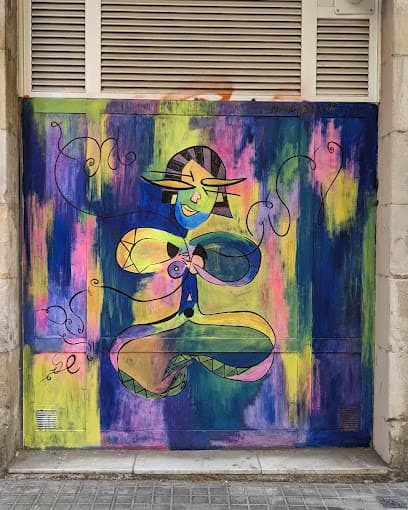
A raw, paint-splattered antidote to the sterile museum circuit. This is where pop-art meets the grit of the street, served straight from the artist’s hands in the heart of old Barcelona.
0.0(0)
Tourist attraction
Frequently Asked Questions
Is it worth visiting the Castellers plaques?
Yes, if you want to understand Catalan culture. While the plaques themselves are small, they represent the heart of the city's human tower tradition in its most important square.
When can I see live human towers in Plaça de Sant Jaume?
The biggest performances happen during La Mercè (September), Santa Eulàlia (February), and occasionally on Sunday mornings in late spring or autumn. Check the official Castellers de Barcelona calendar.
Where exactly are the plaques located?
They are mounted on the facade of the Ajuntament (City Hall) building and nearby walls within Plaça de Sant Jaume in the Gothic Quarter.
Reviews
0 reviews for Plaques commemoratives als Castellers de Barcelona
No reviews yet. Be the first to share your experience!