4.1
1,545 verified reviews
About
Forget the Gothic Quarter. Forget the polished marble of the Eixample and the overpriced gin-and-tonics of the Born. If you want to see how this city actually breathes when the cameras aren't flashing, you get on the L4 metro and you head north until the tourists disappear and the laundry hanging from the balconies starts looking a lot more honest. You head to Nou Barris, and specifically, you head to Plaça Sóller.
For decades, this place was a 'hard square'—a 1980s architectural fever dream of concrete and granite that looked great in a textbook but felt like an oven in July. It was a massive, grey expanse that served as a reminder of the neighborhood's struggle for basic dignity and public space. But things changed. A massive, multi-million euro renovation recently stripped away the brutalism and replaced it with something radical for this part of town: shade. They planted over a hundred trees, laid down actual grass, and turned a sterile monument into a living, sweating, shouting community hub.
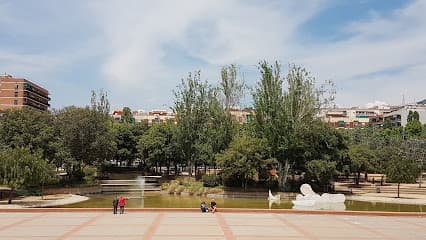
Walking into Plaça Sóller today is like walking into the neighborhood’s collective living room. It’s one of the largest squares in Barcelona, nearly 20,000 square meters of space that refuses to be one thing. At the center sits the lake—a large, rectangular pond that acts as a thermal regulator for the surrounding apartment blocks. It’s not a decorative fountain where you toss coins and make wishes; it’s a functional piece of urban cooling where kids lean over the edge and old men watch the water with a quiet, practiced intensity.
Then there’s the artwork. Xavier Corberó’s 'Homenatge a la Mediterrània'—a series of marble sculptures—still stands, though the context has shifted from a concrete desert to a green oasis. It’s high art for a neighborhood that has spent its history fighting for the basics. The square is anchored by the Centre Cívic Porta Sóller, a low-slung building that hums with the energy of local associations, workshops, and the kind of grassroots organizing that defines Nou Barris. This is where the neighborhood meets to argue, to celebrate, and to simply exist.
On any given afternoon, the air is a thick soup of sounds: the rhythmic thwack of a football against a wall, the screech of skates on the designated tracks, and the rapid-fire Catalan and Spanish of grandmothers who have occupied the same benches since the square was first inaugurated. There are games here—proper ones. Not the digital kind, but the kind involving dirt, movement, and physical presence. The renovation added play areas that actually look like they were designed by people who remember being children, rather than by a committee of safety inspectors.
Is it 'beautiful' in the way the Park Güell is beautiful? No. It’s better. It’s functional. It’s a victory of the people over the pavement. It’s a place where you can sit with a cheap beer from a nearby bodega and watch the sun go down over the Collserola hills, knowing that you are miles away from the nearest 'I Love Barcelona' t-shirt. It’s raw, it’s loud, and it’s entirely necessary. If you’re looking for a postcard, go somewhere else. If you’re looking for the city's true, unwashed face, the part that doesn't care if you like it or not, you’re in the right place.
Type
Park, Tourist attraction
Duration
1-2 hours
Best Time
Late afternoon when the neighborhood comes alive and the heat of the day has faded.
What People Say
games(39)lake(26)renovation(24)strolling(23)artwork(21)table tennis(17)dogs(11)space(8)
Features
Park
Tourist attraction
Categories
Urban DesignContemporary ArtLocal LifePublic Space
Ticket Prices
Free Admission
No tickets required
Opening Hours
- MondayOpen 24 hours
- TuesdayOpen 24 hours
- WednesdayOpen 24 hours
- ThursdayOpen 24 hours
- FridayOpen 24 hours
- SaturdayOpen 24 hours
- SundayOpen 24 hours
Must-See Highlights
The central lake and its surrounding greenery
Homenatge a la Mediterrània sculptures by Xavier Corberó
The massive pergola providing shade over the community areas
The bustling children's play areas and skate park
Visitor Tips
Grab a coffee or a cold drink at one of the modest cafes on the perimeter of the square to watch the local life.
Visit on a weekend morning to see the square at its most alive with local families.
Combine your visit with a trip to the nearby Parc de Can Dragó for a full afternoon of Nou Barris exploration.
Good For
FamiliesBudget travelersArchitecture enthusiastsPeople watching
Why Visit
One of Barcelona's largest and most significant 'green' urban renovations
Authentic working-class atmosphere far from the tourist trail
Home to Xavier Corberó’s monumental marble sculptures
Nearby Landmarks
- 10-minute walk from Heron City (Som Multiespai) shopping center
- 12-minute walk from Parc de Can Dragó
- 8-minute walk from Llucmajor Metro Station
Accessibility
- Fully wheelchair accessible
- Level pathways
- Accessible public restrooms in the civic center
Location
Plaça Sóller
Nou Barris, Barcelona
Nearby Hotels
Nearby Restaurants
In Nou Barris
ATTRACTION
Plaça Verda de la Prosperitat
Nou Barris
A concrete-and-chlorophyll middle finger to urban neglect, where Nou Barris locals reclaim their right to breathe, drink, and exist far from the suffocating Sagrada Familia crowds.
0.0(0)
Garden
ATTRACTION
Ascensor Canfranc - Paseo de Fabra y Puig 08031 Nou Barris
Nou Barris
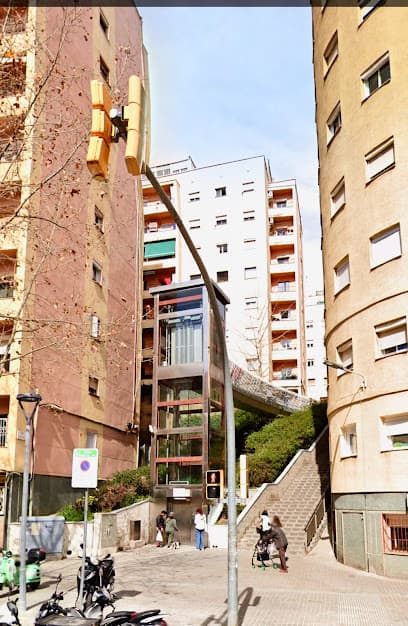
A glass-and-steel lifeline in Nou Barris that saves your knees and offers a gritty, honest view of the Barcelona tourists usually ignore. No gift shops, just gravity-defying utility.
0.0(0)
Hiking area
ATTRACTION
Carrer pimoli42
Nou Barris
The anti-tourist Barcelona. A gritty, honest stretch of Nou Barris where the Gaudí magnets disappear and the real city begins over cheap beer and the smell of rotisserie chicken.
0.0(0)
Tourist attraction
Frequently Asked Questions
Is Plaça Sóller worth visiting?
Yes, but only if you want to see the authentic, non-touristy side of Barcelona. It’s a great example of urban transformation and the ideal place to observe local life in a working-class neighborhood.
How do I get to Plaça Sóller?
Take the L4 Metro (Yellow Line) to Llucmajor station or the L5 (Blue Line) to Virrei Amat. From either, it's a short 5-10 minute walk into the heart of the Porta neighborhood.
What is there to do at Plaça Sóller?
You can see the 'Homenatge a la Mediterrània' sculptures, relax by the large central lake, use the sports and skate areas, or visit the local civic center for neighborhood events.
Is Plaça Sóller safe for tourists?
Yes, it is a family-oriented neighborhood park. While it's far from the tourist center, it is generally safe during the day and evening as it's always busy with local residents.
Reviews
0 reviews for Plaça Sóller
No reviews yet. Be the first to share your experience!