3.3
3 verified reviews
About
If you are looking for the Barcelona of the glossy brochures—the one with the shimmering mosaics, the overpriced sangria, and the endless queues of people holding selfie sticks—keep walking. Plaça Sant Josep de Calassanç is not that Barcelona. It doesn’t want to be. Located in the heart of Sant Martí, specifically in the El Camp de l'Arpa del Clot neighborhood, this is a place where the city stops performing for outsiders and just exists. It is a triangle of concrete and hard-won shade that serves as the lungs for a dense, working-class block.
Arrival here usually happens by accident or by living here. You walk down Carrer del Freser, a street that hums with the relentless rhythm of local traffic and the scent of diesel mixed with the occasional waft of toasted flour from a nearby bakery. The square opens up like a sudden exhale. It is dominated by the presence of the Escola Sant Josep de Calassanç, a school that dictates the energy of the space. During the day, it’s a quiet, almost melancholic patch of urbanity. But come mid-afternoon, the air explodes with the shrieks of children, the frantic bouncing of footballs, and the rapid-fire Catalan of parents catching up on the day’s grievances.
There are no 'must-see' monuments here. There are no plaques explaining the architectural significance of the surrounding apartment blocks, which are mostly functional, mid-century structures with laundry fluttering from the balconies like urban prayer flags. The 'attractions' are the worn wooden benches where old men sit in silence, watching the world go by with the kind of practiced indifference you can only earn after eighty years in this city. The ground is paved with stone that has been smoothed by decades of scuffing shoes and stroller wheels. It is honest. It is a place where you can sit and not be expected to buy anything, a rarity in a city that is increasingly being sold off piece by piece to the highest bidder.
The square is named after Saint Joseph Calasanz, the man who founded the Piarist Schools and dedicated his life to educating the poor. It’s a fitting name. There is a sense of utility here, a commitment to the community that feels increasingly radical. You won't find a gift shop. You won't find a menu in five languages. You might find a small playground that has seen better days, a few hardy trees struggling against the Mediterranean sun, and a local 'granja' or cafe on the corner where the coffee is strong, the beer is cold, and the prices haven't been adjusted for the 'digital nomad' crowd.
Is it worth visiting? That depends on what you’re looking for. If you want a 'gastronomic adventure,' go to Eixample. If you want a 'cultural excavation' of the 14th century, go to the Gothic Quarter. But if you want to understand what it feels like to live in Barcelona in 2025—to see the grit, the noise, the community, and the quiet resilience of a neighborhood that refuses to be a theme park—then sit down on one of these benches. Watch the pigeons fight over a crust of bread. Listen to the clatter of the metal shutters closing for siesta. This is the real thing. It’s not pretty, it’s not polished, and it doesn't care if you like it or not. And that is exactly why it matters.
Type
Park
Duration
30-45 minutes
Best Time
Late afternoon (17:00-19:00) to see the neighborhood come alive after school.
Features
Park
Categories
Urban SquareLocal LifePlayground
Ticket Prices
Free Admission
No tickets required
Opening Hours
- MondayOpen 24 hours
- TuesdayOpen 24 hours
- WednesdayOpen 24 hours
- ThursdayOpen 24 hours
- FridayOpen 24 hours
- SaturdayOpen 24 hours
- SundayOpen 24 hours
Must-See Highlights
The local 'granja' cafes on the perimeter
The Escola Sant Josep de Calassanç facade
The everyday choreography of the neighborhood school run
Visitor Tips
Don't expect tourist amenities; this is a residential area.
Grab a coffee at a nearby local bar to truly soak in the vibe.
Respect the locals; it's their communal living room, not a photo set.
Good For
Local culture seekersBudget travelersPeople watching
Why Visit
Zero tourist crowds
Authentic local atmosphere
True insight into Sant Martí neighborhood life
Nearby Landmarks
- Hospital de Sant Pau - 12-minute walk
- Metro Camp de l'Arpa - 5-minute walk
- Antiga Fàbrica Estrella Damm - 15-minute walk
Accessibility
- Flat paved surface
- Wheelchair accessible
- Public benches
Location
Carrer del Freser, 98
Sant Martí, Barcelona
Nearby Hotels
Nearby Restaurants
In Sant Martí
ATTRACTION
LOS CERDINS HOUSE
Sant Martí
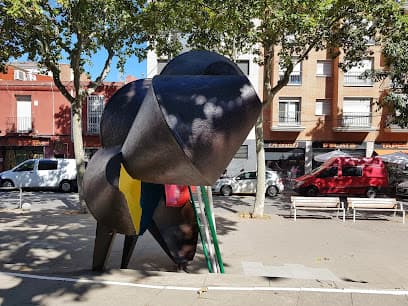
A raw, repurposed industrial relic in the heart of Sant Martí, Los Cerdins House is a testament to the neighborhood's manufacturing soul, where red-brick history meets the sharp, creative edge of modern Barcelona.
0.0(0)
Tourist attraction
ATTRACTION
Pista de frontó
Sant Martí
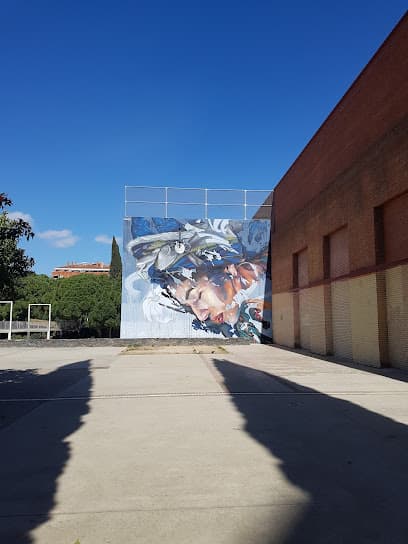
A sun-baked slab of concrete where the rhythmic thwack of a ball against stone serves as the soundtrack to a neighborhood still clinging to its gritty, industrial Poblenou soul.
0.0(0)
Park
ATTRACTION
Saraya Express
Sant Martí
A specialized travel outpost tucked away in Sant Martí. Saraya Express is where the logistics of a trip to Cairo meet the grit of Barcelona’s daily grind, far from the tourist-trap fluff.
0.0(0)
Tourist attraction
Frequently Asked Questions
Is Plaça Sant Josep de Calassanç worth visiting?
Only if you want to see an authentic, non-touristy neighborhood square. It lacks major monuments but offers a raw look at local life in Sant Martí.
How do I get to Plaça Sant Josep de Calassanç?
The easiest way is via the L5 Metro line, getting off at the Camp de l'Arpa station, which is just a five-minute walk away.
What is near Plaça Sant Josep de Calassanç?
The stunning Hospital de Sant Pau, a UNESCO World Heritage site, is about a 12-minute walk away, offering a sharp contrast to the square's simplicity.
Reviews
0 reviews for Plaça Sant Josep de Calassanç
No reviews yet. Be the first to share your experience!