4.4
142 verified reviews
About
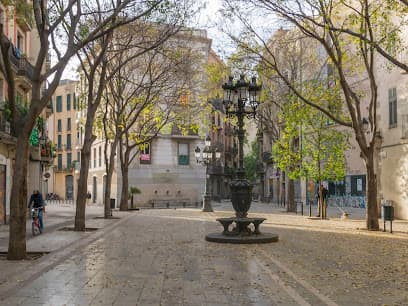
You don’t come to Plaça Sant Agustí Vell to see a monument polished for the cruise ship crowds. You come here because the rest of El Born is slowly being swallowed by avocado toast and high-end boutiques, and you need to remember what this city actually felt like before it became a theme park. This triangular clearing in the dense thicket of the Ribera district is a scar, a beautiful, soot-stained remnant of a Barcelona that refused to die quietly. It’s one of the best hidden squares in Barcelona for anyone who prefers their history served with a side of grit and a decent cortado.
Walking into the square from the narrow, claustrophobic veins of Carrer dels Carders, the space opens up like a long-held breath. It’s not symmetrical. It’s not grand. It’s a lopsided triangle anchored by a 19th-century cast-iron fountain, the Font de Sant Agustí Vell, topped with three lamps that cast a dim, cinematic glow when the sun finally drops behind the Gothic rooflines. This isn't the Barcelona of Gaudí’s fever dreams; this is the Barcelona of stone, sweat, and survival. The buildings surrounding you are a patchwork of centuries—arched porches that look like they’ve seen enough plague and revolution to last ten lifetimes, and balconies draped with the daily laundry of people who actually live here.
The history here is heavy. The square takes its name from the old Convent of Sant Agustí, which used to dominate this space until the Siege of 1714. When the Bourbon forces finally broke the city, they didn't just win; they demolished a huge chunk of this neighborhood, La Ribera, to build the Ciutadella fortress—a massive 'screw you' to the local population. This square is one of the few pieces of that medieval heart that survived the wrecking ball. When you sit at one of the sidewalk cafes here, you’re sitting on ground that has been blood-soaked, rebuilt, and reclaimed a dozen times over. It’s an essential stop for anyone doing a deep dive into things to do in El Born that don't involve a gift shop.
The vibe today is a rare, unvarnished look at the neighborhood's daily rhythm. In the mornings, it’s the clatter of metal shutters and the hiss of espresso machines. By the afternoon, the terrace cafes fill up with a mix of neighborhood regulars, weary expats, and the occasional traveler who took a wrong turn and realized they’d found exactly what they were looking for. There’s no 'I Love Barcelona' t-shirts here. Instead, you get old men arguing over the sports pages, kids kicking a deflated football against medieval stone, and the smell of frying garlic drifting from open kitchen windows. It’s one of the neighborhood's best spots to grab a drink in the area precisely because the service might be indifferent and the chairs are probably plastic.
Is Plaça Sant Agustí Vell worth visiting? Only if you care about the soul of a place. If you need a guided tour and a souvenir stand, stay on La Rambla. But if you want to sit under a plane tree, watch the light hit the ochre walls, and feel the weight of seven centuries of Catalan history while you drink a cheap beer, this is your spot. It’s a reminder that despite the gentrification and the tourist taxes, the real Barcelona is still there, hiding in plain sight in the shadows of the old convent. It’s honest, it’s slightly crumbling, and it’s perfect.
Type
Tourist attraction
Duration
30-60 minutes
Best Time
Late afternoon or early evening when the terraces are lively and the light hits the old stone buildings.
What People Say
history(2)sidewalk cafe(2)
Features
Tourist attraction
Categories
HistoryArchitecturePublic SquareEl Born
Ticket Prices
Free Admission
No tickets required
Opening Hours
- MondayOpen 24 hours
- TuesdayOpen 24 hours
- WednesdayOpen 24 hours
- ThursdayOpen 24 hours
- FridayOpen 24 hours
- SaturdayOpen 24 hours
- SundayOpen 24 hours
Must-See Highlights
Font de Sant Agustí Vell (19th-century fountain)
Medieval arched porches on the northern side
The view down Carrer dels Carders
Local laundry hanging from the historic balconies
Visitor Tips
Grab a seat at one of the terraces for a vermouth and watch the neighborhood life unfold.
Look for the scars on the surrounding buildings that hint at the area's turbulent history.
Combine this with a visit to the nearby Mercat de Santa Caterina for a full 'local' morning.
Good For
History buffsBudget travelersPeople watchingPhotographersSolo travelers
Why Visit
Authentic Medieval Atmosphere: One of the few survivors of the 1714 demolition of the Ribera district.
Local Terrace Culture: A genuine neighborhood hub where you can escape the high-priced tourist traps of central El Born.
The 19th-Century Fountain: The Font de Sant Agustí Vell is a classic piece of Barcelona street furniture that still serves as the square's focal point.
Nearby Landmarks
- 4-minute walk from Picasso Museum
- 5-minute walk from Parc de la Ciutadella
- 6-minute walk from Santa Maria del Mar
- 5-minute walk from Arc de Triomf
Accessibility
- Flat, paved square
- Pedestrianized area
- Accessible outdoor seating at cafes
Location
Plaça de Sant Agustí Vell
Ciutat Vella, Barcelona
Nearby Hotels
Nearby Restaurants
In Ciutat Vella
ATTRACTION
Park
Ciutat Vella
A thousand years of silence tucked behind a Romanesque monastery, where the grit of El Raval dissolves into ancient stone, cool shadows, and the heavy weight of history.
0.0(0)
Park
ATTRACTION
BARSHELONA
Ciutat Vella
Forget the plastic bulls and tacky magnets. This is where Barcelona’s soul is bottled into art, a small sanctuary of local design hidden in the shadows of the Gothic Quarter.
0.0(0)
Tourist attraction
ATTRACTION
Minajoe art
Ciutat Vella
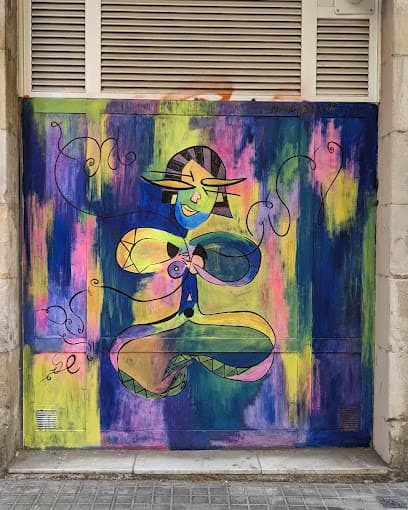
A raw, paint-splattered antidote to the sterile museum circuit. This is where pop-art meets the grit of the street, served straight from the artist’s hands in the heart of old Barcelona.
0.0(0)
Tourist attraction
Frequently Asked Questions
Is Plaça Sant Agustí Vell worth visiting?
Yes, if you want to see an authentic, non-touristy side of El Born. It’s a historic square where locals actually hang out, offering a much quieter experience than the more famous Plaça Reial.
What is the history of Plaça Sant Agustí Vell?
The square was the center of the medieval La Ribera neighborhood and named after the nearby Sant Agustí Convent. Much of the surrounding area was destroyed after the Siege of 1714 to build the Ciutadella fortress.
Are there good places to eat in Plaça Sant Agustí Vell?
The square is lined with several unpretentious terrace cafes ideal for a coffee or vermouth. For a serious meal, the legendary seafood spot Bar Mundial is just a few steps away on Carrer de Carders.
How do I get to Plaça Sant Agustí Vell?
It is located in the northern part of El Born. The closest metro station is Arc de Triomf (L1), about a 5-minute walk away, or Jaume I (L4), about an 8-minute walk.
Reviews
0 reviews for Plaça Sant Agustí Vell
No reviews yet. Be the first to share your experience!