4.6
22,376 verified reviews
About
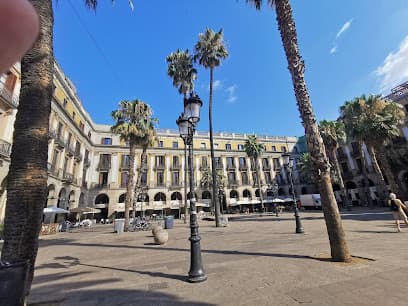
Plaça Reial is a rectangle of yellow-hued neoclassical ambition, a grand stage where Barcelona’s high-life and low-life have been performing a messy, beautiful duet for nearly two centuries. It’s the kind of place that looks like a movie set but feels like a hangover. Built on the bones of a demolished Capuchin convent in the mid-1800s, it was designed to be an aristocratic enclave, a place for the wealthy to see and be seen. Today, it’s a chaotic, palm-fringed crossroads where tourists, jazz cats, coin collectors, and the occasional pickpocket all fight for the same square inch of shade.
You enter through narrow, dark alleys from the Gothic Quarter or the heaving mass of La Rambla, and suddenly the space opens up. It’s symmetrical, elegant, and slightly faded, like a tuxedo that’s been slept in. The first thing you’ll notice aren’t the palm trees, but the light. Specifically, the two six-armed street lamps flanking the central Fountain of the Three Graces. These were the first public commission of a young, hungry architect named Antoni Gaudí. Long before he started building psychedelic cathedrals, he was just a guy trying to prove he could make a street lamp look like a work of art. Look closely at the top—they’re crowned with Mercury’s winged helmet and a coiled serpent. It’s a subtle flex from a man who would eventually redefine the city’s skyline.
During the day, the square is dominated by the terraces. Let’s be honest: most of the food here is overpriced bait for the uninitiated. You’re paying a 'view tax' for the privilege of sitting under the arcades. But if you must, grab a coffee, ignore the menu del día, and watch the theater of the street. The real magic happens on Sunday mornings when the Mercat de Numismàtica i Filatèlia takes over. This is when the old men of Barcelona emerge, clutching leather-bound albums of stamps and rare coins. They haggle with a ferocity that would make a Wall Street trader weep. It’s a glimpse into a Barcelona that refuses to be gentrified, a quiet, dusty ritual held in the shadow of the palm trees.
As the sun dips, the vibe shifts from architectural appreciation to something darker and more visceral. This square is the beating heart of the Gothic Quarter’s nightlife, but not the sanitized kind. Down in the basements, places like Jamboree and Sidecar have been hosting sweat-soaked jazz sessions and indie rock shows since the Franco era. The air down there is thick with history and cheap gin. It’s loud, it’s cramped, and it’s exactly what a city center should be. You might walk out at 3:00 AM to find the square transformed again—the fountains glowing, the shadows of the palms stretching across the tiles, and the distant sound of someone arguing over a taxi.
Is it a tourist trap? Parts of it, absolutely. The guys trying to sell you 'mojitos' on the corner are a plague, and the terrace prices are a crime. But you can’t understand Barcelona without standing in the center of this square. It’s a place of layers. It’s the aristocratic dream of the 19th century, the anarchist grit of the 20th, and the commercial chaos of the 21st, all squeezed into one elegant courtyard. It’s beautiful, it’s slightly dangerous, and it’s entirely essential. Don't just walk through it; stand still for ten minutes and let the city happen to you. Just keep your hand on your wallet while you’re doing it.
Type
Plaza, Historical landmark
Duration
30-60 minutes
Best Time
Sunday mornings for the market or late night for live music.
Guided Tours
Available
What People Say
palm trees(176)gaudi(167)street lights(109)coins(61)clubs(37)collectors(35)aperitivo(28)flamenco(27)
Features
Plaza
Historical landmark
Tourist attraction
Categories
ArchitectureNightlifeGaudíHistoryPublic Square
Ticket Prices
Free Admission
No tickets required
Opening Hours
- MondayOpen 24 hours
- TuesdayOpen 24 hours
- WednesdayOpen 24 hours
- ThursdayOpen 24 hours
- FridayOpen 24 hours
- SaturdayOpen 24 hours
- SundayOpen 24 hours
Must-See Highlights
Gaudí's street lamps with Mercury's helmet
Fountain of the Three Graces
Mercat de Numismàtica i Filatèlia (Sundays)
The vaulted neoclassical arcades
Visitor Tips
Avoid eating a full meal at the terrace restaurants; grab a drink for the view and eat elsewhere.
Keep your bags in front of you at all times—pickpockets here are professionals.
Check the schedule at Jamboree for world-class jazz sessions in a basement setting.
Good For
Architecture loversNightlife seekersHistory buffsPhotographers
Why Visit
Gaudí's First Commission: The iconic street lamps marked the professional debut of Barcelona's most famous architect.
Sunday Coin & Stamp Market: A rare, authentic local tradition that has survived decades of tourism.
Legendary Underground Nightlife: Home to Jamboree and Sidecar, venues that defined the city's jazz and rock history.
Nearby Landmarks
- 2-minute walk from La Rambla
- 3-minute walk from Gran Teatre del Liceu
- 5-minute walk from Palau Güell
- 8-minute walk from Barcelona Cathedral
Accessibility
- Fully wheelchair accessible
- Flat paved surface
- Accessible from La Rambla via ramps
Location
Pl. Reial, 1
Ciutat Vella, Barcelona
Nearby Hotels
Nearby Restaurants
In Ciutat Vella
ATTRACTION
Park
Ciutat Vella
A thousand years of silence tucked behind a Romanesque monastery, where the grit of El Raval dissolves into ancient stone, cool shadows, and the heavy weight of history.
0.0(0)
Park
ATTRACTION
BARSHELONA
Ciutat Vella
Forget the plastic bulls and tacky magnets. This is where Barcelona’s soul is bottled into art, a small sanctuary of local design hidden in the shadows of the Gothic Quarter.
0.0(0)
Tourist attraction
ATTRACTION
Minajoe art
Ciutat Vella
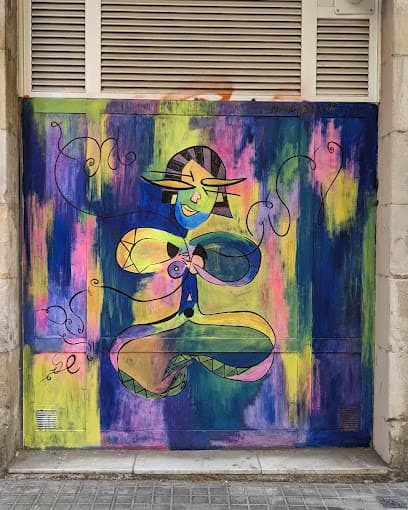
A raw, paint-splattered antidote to the sterile museum circuit. This is where pop-art meets the grit of the street, served straight from the artist’s hands in the heart of old Barcelona.
0.0(0)
Tourist attraction
Frequently Asked Questions
Is Plaça Reial worth visiting?
Yes, it is one of the most beautiful neoclassical squares in Europe. While the restaurants on the square are often tourist traps, the architecture, Gaudí's first street lamps, and the legendary jazz clubs make it an essential stop.
What is the best time to visit Plaça Reial?
Visit on Sunday morning (9:00 AM - 2:30 PM) to see the traditional stamp and coin market, or late at night to experience the city's best jazz and underground music scene.
Are there Gaudí works in Plaça Reial?
Yes, the two ornate, six-armed street lamps near the central fountain were Antoni Gaudí's first commissioned work for the city of Barcelona, completed in 1879.
Is Plaça Reial safe at night?
It is generally safe due to the high volume of people and police presence, but it is a notorious hotspot for pickpockets. Stay alert, especially when leaving the nightclubs or sitting on the fountain.
Reviews
0 reviews for Plaça Reial
No reviews yet. Be the first to share your experience!