3.9
577 verified reviews
About
Most people come to Barcelona for the hallucinogenic curves of Gaudí or the overpriced grease of a Boqueria tapa. They stay in the Gothic Quarter, bumping shoulders with other tourists, convinced they’re seeing the 'real' Spain. They aren't. If you want to see the soul of a city that remembers its scars, you get on the L4 metro and head north until the buildings get taller, the laundry hangs thicker over the balconies, and the English menus disappear. You go to Nou Barris.
Plaça Madres de la Plaza de Mayo isn't 'pretty' in the way a travel brochure wants it to be. It’s a wide, unapologetic expanse of stone and sky in the Porta neighborhood. It’s functional. It’s a place where kids kick scuffed footballs against concrete and old men sit on benches, arguing about politics or the price of bread with the kind of intensity usually reserved for blood feuds. But there is a weight here that you won't find in the manicured gardens of the city center.
Inaugurated in 1994, this square is a tribute to the Madres de la Plaza de Mayo—the Argentine mothers who stood in front of the Casa Rosada in Buenos Aires, wearing white headscarves, demanding to know where their 'disappeared' children were. Barcelona, a city that spent decades under the thumb of its own dictator, knows a thing or two about silenced voices and stolen lives. By naming this space after those women, the city made a statement about memory and resistance that resonates deeply in this working-class district.
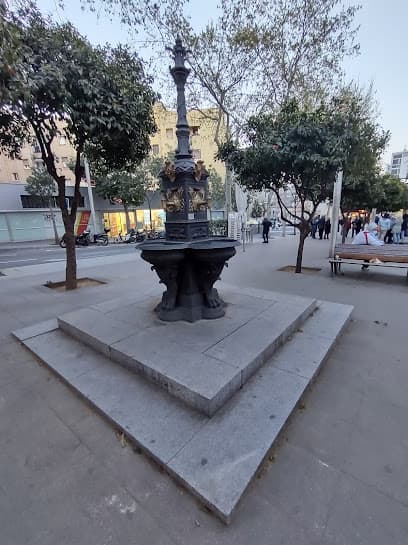
The centerpiece is the Font de la Madres de la Plaza de Mayo. It’s not some baroque explosion of marble and bronze; it’s a steady, persistent flow of water that mirrors the persistence of the women it honors. Around it, the square opens up, offering a rare sense of breathing room in one of the most densely populated parts of the city. It’s one of the best things to do in Nou Barris if you’re tired of the tourist circus and want to see how the city actually functions when no one is looking for a photo op.
Is Plaça Madres de la Plaza de Mayo worth visiting? If you’re looking for lush greenery and botanical rarities, probably not. But if you want to understand the social fabric of Barcelona, it’s essential. This is where the neighborhood gathers. You’ll see immigrant families sharing snacks, retirees soaking up the Mediterranean sun, and a total lack of pretense. It’s raw, it’s honest, and it’s a reminder that the most important landmarks aren't always made of gold or stained glass—sometimes they’re just a patch of pavement where people refuse to forget.
When you’re done soaking in the atmosphere, you’re a short walk from Parc de Can Dragó, a massive green lung that offers a bit more shade and a lot more grass. But stay for a while in the square first. Watch the light hit the fountain. Listen to the rhythm of the barrio. This is the Barcelona that doesn't care if you like it or not, and that’s exactly why it’s worth your time.
Type
Park
What People Say
font(10)history(10)sitting(9)space(7)bus(5)name(5)orange trees(4)gas station(4)
Features
Park
Categories
HistoryHuman RightsPublic SquareUrban Park
Opening Hours
- MondayOpen 24 hours
- TuesdayOpen 24 hours
- WednesdayOpen 24 hours
- ThursdayOpen 24 hours
- FridayOpen 24 hours
- SaturdayOpen 24 hours
- SundayOpen 24 hours
Accessibility
- Fully wheelchair accessible
- Flat paved surfaces
- Accessible by public transport
Location
Carrer de Felanitx, 2
Nou Barris, Barcelona
Nearby
ATTRACTION
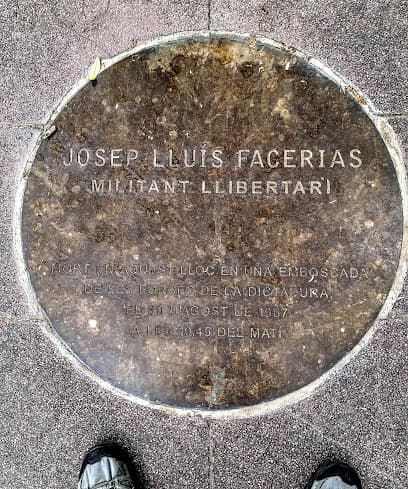
Placa a Josep Lluís Facerias
50 m · Nou Barris
A gritty corner of Nou Barris where the ghost of an anarchist guerrilla lingers. No Gaudí here—just the raw, blood-stained history of resistance against Franco’s regime.
0.0(0)
Tourist attraction
ATTRACTION
Plaça dels Maquis
100 m · Nou Barris
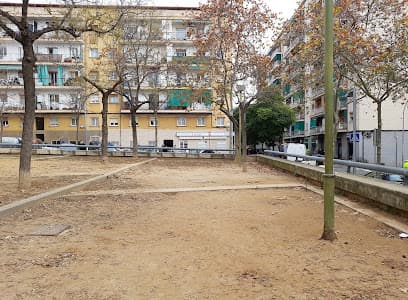
A concrete slab of memory in the steep hills of Nou Barris, where the ghosts of anti-Francoist guerrillas linger far from the hollowed-out tourist traps of the city center.
5.0(3)
Park
RESTAURANT
Siete Lunas
€€50 m · Nou Barris
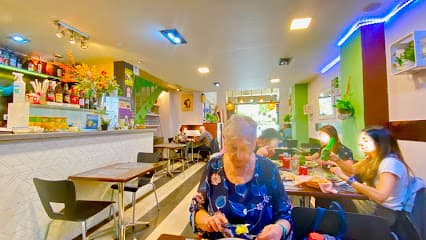
A gritty, glorious temple to the grill in Nou Barris where the entraña is king and tourists are non-existent. It’s honest meat, cold beer, and zero pretension. Just how it should be.
4.3(503)
RestaurantMediterranean restaurant
RESTAURANT
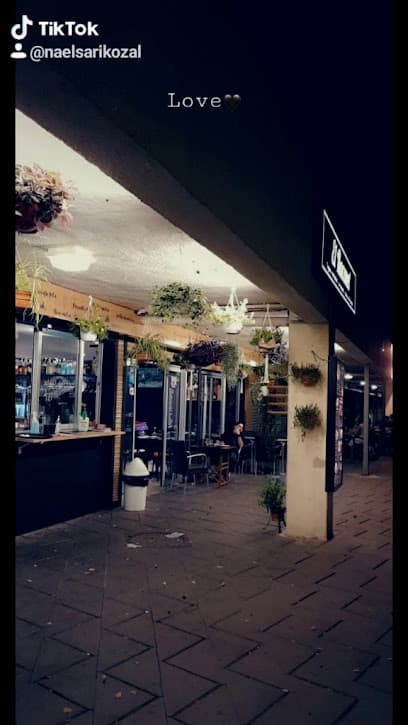
El otro sitio
€€50 m · Nou Barris
Forget the Gothic Quarter's overpriced theater. This is Nou Barris: raw, unvarnished, and serving the kind of cheap paella and cold beer that keeps the real Barcelona running.
4.0(105)
Restaurant
HOTEL
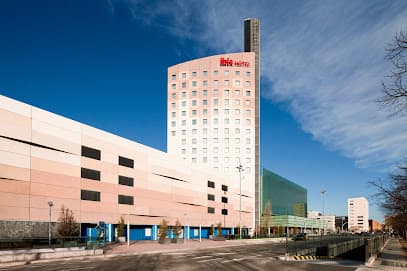
ibis Barcelona Meridiana
€750 m · Nou Barris
A two-star ibis on Passeig d'Andreu Nin in Nou Barris with paid parking, rated 4.1 from 2,439 Google reviews that mention the metro and a shopping centre.
4.1(2K)
Hotel
HOTEL
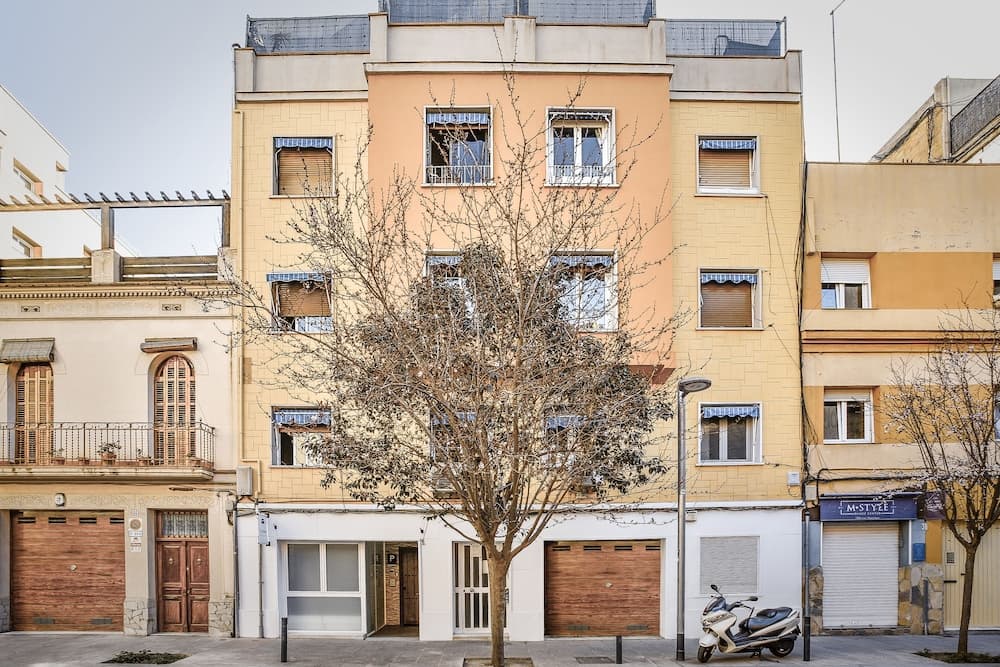
Comfort Barcelona Rooms
€€1.0 km · Nou Barris
A no-frills crash pad in the gritty, real-deal neighborhood of Nou Barris. It’s cheap, it’s functional, and it’s exactly what you need when your budget is tighter than a drum.
3.8(133)
Hotel
Frequently Asked Questions
Is Plaça Madres de la Plaza de Mayo worth visiting?
Yes, if you are interested in human rights history and want to see an authentic, non-touristy side of Barcelona. It is a symbolic space that honors the Argentine mothers of the disappeared.
How do I get to Plaça Madres de la Plaza de Mayo?
The easiest way is via the Barcelona Metro. Take the L4 (Yellow Line) to Llucmajor or the L1 (Red Line) to Fabra i Puig; both are about a 10-minute walk from the square.
What is near Plaça Madres de la Plaza de Mayo?
The square is very close to Parc de Can Dragó, a large sports and leisure park, and the Som Multiespai shopping center (formerly Heron City).
Is there an entrance fee for the square?
No, it is a public municipal square and is free to enter 24 hours a day.
Reviews
0 reviews for Plaça Madres de la Plaza de Mayo
No reviews yet. Be the first to share your experience!