
About
To understand Barcelona, you have to leave the Gothic Quarter. You have to get on the L11 metro—the little train that could—and ride it until the city starts to tilt. You get off at Ciutat Meridiana, a neighborhood that clings to the side of the Collserola hills like a climber gripping a rock face with white knuckles. This is where you’ll find Plaça dels Ossos, or the 'Square of the Bones.' It isn’t a park in the way the guidebooks define it. There are no manicured rose bushes here, no ticket booths, and absolutely zero chance of bumping into a tour group wearing matching hats.
This is the vertical city. Built in the sixties and seventies to house the waves of immigrants who built modern Barcelona, Ciutat Meridiana is a testament to human grit and questionable urban planning. Plaça dels Ossos sits at the heart of this concrete labyrinth. The name itself feels right—there’s something skeletal about the way the stairs and ramps wind through the space, a ribcage of stone and cement holding up the social life of the barrio. It’s a place of hard angles and steep inclines, where the simple act of going to buy a loaf of bread requires the quadriceps of an Olympic cyclist.
When you stand in the square, you aren’t looking at monuments; you’re looking at life. You see the laundry flapping like prayer flags from the balconies of high-rise blocks. You hear the rhythmic thwack of a football against a concrete wall and the rapid-fire Catalan and Spanish of teenagers who have never seen a 'hidden gem' in their lives. The air here is different—it’s thinner, cleaner, smelling of the pine forests that loom just above the apartment blocks and the faint, metallic scent of the nearby train tracks. It’s a reminder that Barcelona is a city of workers, of families, and of people who live three miles and a world away from the Rambla.
Is it beautiful? That depends on what you value. If you need marble fountains and gold leaf, stay in Eixample. But if you find beauty in the way a community carves a space for itself out of a mountainside, then Plaça dels Ossos is magnificent. It’s a masterclass in urban survival. The square serves as the neighborhood’s living room, a place where old men sit on benches with the stillness of statues, watching the world go by, and where the escalators—when they work—are the most vital pieces of infrastructure in the city.
Coming here is a reality check. It’s an honest look at the 'other' Barcelona, the one that doesn't make it into the glossy airline magazines. It’s a place that demands respect, not because it’s old or famous, but because it’s real. You come here to see the scale of the city, to look back down toward the Mediterranean and realize how small the tourist center actually is. You come here to breathe, to walk the steep Carrer del Pedraforca, and to realize that the best things to do in Nou Barris don't involve a queue or a QR code. They involve opening your eyes to the city as it actually is: tough, vertical, and vibrantly alive.
Type
Park
Features
Park
Categories
Urban SpaceArchitectureLocal LifeViewpoint
Accessibility
- Limited accessibility due to extreme slopes
- Public escalators available in some sections
- Metro station has elevator access
Location
Carrer del Pedraforca, 1
Nou Barris, Barcelona
Nearby
ATTRACTION
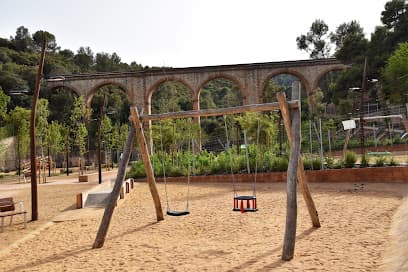
Parc de l'Aqüeducte
200 m · Nou Barris
A gritty, honest slice of Nou Barris where massive industrial-era aqueduct arches loom over giant slides and the kind of local life you won't find on a postcard.
4.3(109)
Park
ATTRACTION
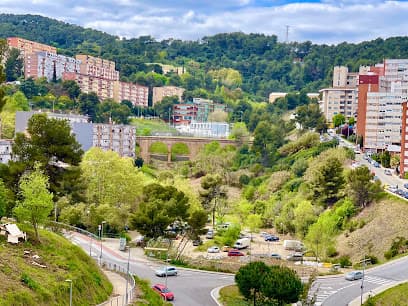
Petanca de Ciutat Meridiana
250 m · Nou Barris
The end of the line where the steel balls clack against gravel and the city's gloss finally wears off. This is the raw, unvarnished heart of Nou Barris petanca.
3.8(19)
Park
RESTAURANT
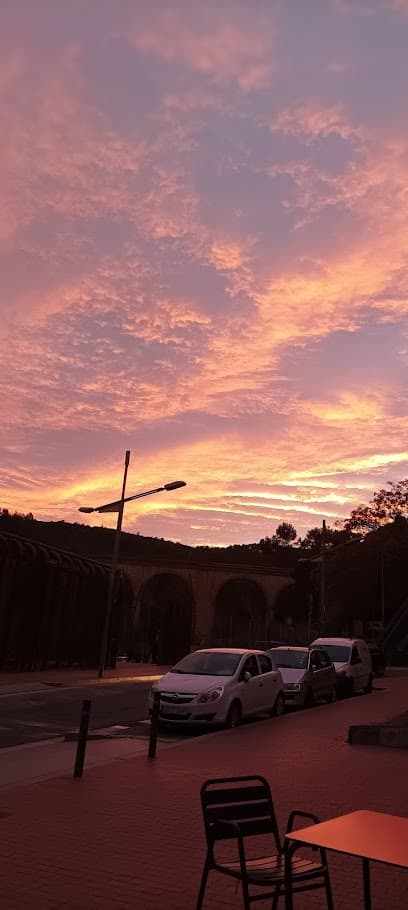
Bar El Mordiskito
150 m · Nou Barris
A no-nonsense bastion of the working class in Nou Barris where the bocadillos are heavy, the beer is ice-cold, and the tourist crowds are non-existent. Real food for real people.
4.5(86)
Bar
RESTAURANT
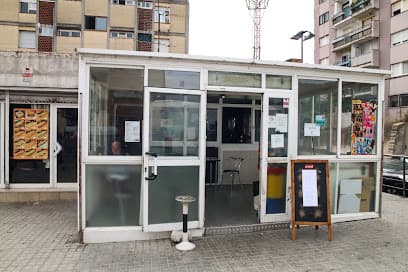
Bar Restaurant Lali
€€150 m · Nou Barris
A gritty, unpretentious bastion of the working class in Nou Barris where the menú del día is honest, the beer is cold, and the tourist crowds are a world away.
4.3(60)
BarRestaurant
HOTEL
Hostelle Barcelona
€2.0 km · Nou Barris
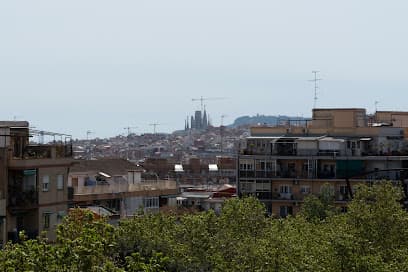
A female-only sanctuary in the gritty, real-deal neighborhood of Nou Barris. No tourist traps here—just clean bunks, a shared kitchen, and the L4 metro to whisk you into the chaos.
4.3(146)
Youth hostel
HOTEL
ibis Barcelona Santa Coloma
€2.6 km · Barcelona
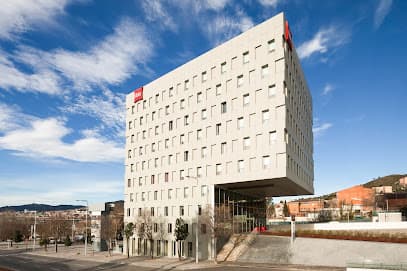
A no-bullshit refuge in Santa Coloma where the rooms are clean, the metro is close, and you're far enough from the tourist circus to actually hear yourself think.
4.2(2K)
Hotel
Frequently Asked Questions
Is Plaça dels Ossos worth visiting?
Yes, if you are interested in urbanism, sociology, or seeing the authentic, non-tourist side of Barcelona. It offers a raw look at the city's vertical expansion and local life in the periphery.
How do I get to Plaça dels Ossos?
Take the L11 Metro line to the Ciutat Meridiana station. The square is a short, steep walk from the station exit near Carrer del Pedraforca.
What is the 'Square of the Bones'?
It is a local nickname for the central urban space in Ciutat Meridiana, referring to its skeletal concrete structures and the harsh, rocky terrain it was built upon.
Is Nou Barris safe for tourists?
It is a residential, working-class area. While safe during the day, it is not a tourist zone, so visitors should be respectful of local residents and maintain standard city awareness.
Reviews
0 reviews for Plaça dels ossos
No reviews yet. Be the first to share your experience!