4.4
2,338 verified reviews
About
You’re walking down the Ramblas, dodging human statues and people trying to sell you overpriced gelato, and then you take a sharp turn into the labyrinth. Suddenly, the air changes. It’s cooler, smelling of damp stone, old wax, and, if you’ve timed it right, artisanal honey. This is Plaça del Pi. It’s not a grand, sweeping plaza designed to impress kings; it’s a cramped, irregular, and deeply human space that has served as the living room for the Barri Gòtic for centuries. It’s a place that doesn't give a damn if you like it or not, which is exactly why you should.
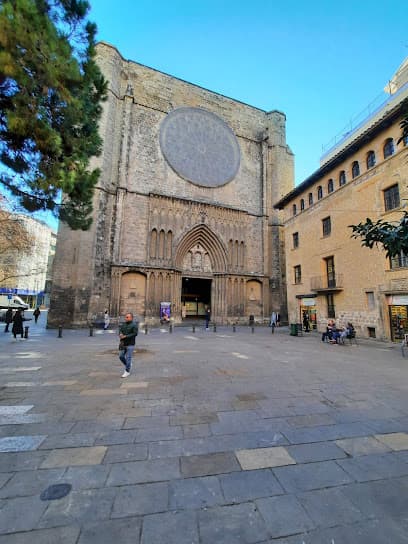
The square is dominated by the Basilica de Santa Maria del Pi, a 14th-century Catalan Gothic beast that looks more like a fortress than a house of worship. It’s got scars. The massive rose window—one of the largest on the planet—is a kaleidoscopic eye that was shattered during the Spanish Civil War and painstakingly put back together. Inside, it’s dark, cavernous, and carries the weight of seven hundred years of prayers and secrets. If you’re looking for the 'best things to do in Gothic Quarter Barcelona,' climbing the bell tower here is the real deal. The stairs are narrow, the stone is worn smooth by centuries of footsteps, and the view from the top isn't some sanitized postcard; it’s a visceral look at the terracotta rooftops and tangled guts of the old city.
But the square isn't just about the church. It’s about the life that spills out around it. On the first and third weekend of the month, the 'Mercat de l'Artesania' takes over. This isn't your typical tourist-trap flea market. This is where you find the good stuff: heavy wheels of Manchego, jars of dark mountain honey, and handmade soaps that smell like the Pyrenees. You’ll see locals arguing over the quality of a goat cheese while tourists stand by, slightly bewildered by the intensity of it all. It’s one of the most authentic 'Barcelona artisan markets' left in a neighborhood that’s increasingly being sold off to the highest bidder.
Look around the edges of the square and you’ll see the survivors. There’s Ganiveteria Roca, a knife shop that’s been there since 1911. Its storefront is a masterpiece of Modernista design, and inside, they sell blades that could shave a ghost. Then there’s Bar del Pi, a legendary spot where poets, painters, and political agitators have been drinking vermouth and arguing since the 1920s. Sit outside if you can find a chair, order a glass of something cold and bitter, and just watch. You’ll see the buskers—actual musicians, not the guys with the backing tracks—filling the square with Spanish guitar that bounces off the ancient stone walls.
Is Plaça del Pi worth visiting? Absolutely. But don't come here looking for a 'must-see' checklist. Come here to feel the friction of a city that is constantly trying to balance its glorious, bloody past with its crowded, commercial present. It’s messy, it’s a little bit loud, and the pine tree in the center—the 'Pi' that gives the square its name—is a living symbol of resilience. It’s the kind of place that reminds you why you traveled in the first place: to find something that feels real, even if it’s just for the length of a cup of coffee. It’s one of the 'best squares in Barcelona' because it hasn't completely lost its soul to the souvenir shops yet. Get here early before the tour groups arrive, or late when the shadows are long and the ghosts of the Gothic Quarter start to stir.
Type
Historical landmark, Tourist attraction
Duration
1-2 hours
Best Time
Early morning for quiet contemplation or weekend mornings for the artisan market.
Guided Tours
Available
Audio Guide
Available
What People Say
handicrafts(16)cathedral(15)gothic(15)flea market(12)basilica(12)pine tree(10)honey(10)emblem(9)
Features
Historical landmark
Tourist attraction
Categories
Gothic ArchitecturePublic SquareReligious SiteMarket
Ticket Prices
Free Admission
No tickets required
Opening Hours
- MondayOpen 24 hours
- TuesdayOpen 24 hours
- WednesdayOpen 24 hours
- ThursdayOpen 24 hours
- FridayOpen 24 hours
- SaturdayOpen 24 hours
- SundayOpen 24 hours
Must-See Highlights
The massive rose window of Santa Maria del Pi
The 1911 storefront of Ganiveteria Roca
The pine tree in the center of the square
The bell tower views of the Gothic Quarter
Visitor Tips
Visit the nearby Carrer de Petritxol for the best churros and chocolate in the city after exploring the square.
Check the Basilica's schedule for evening organ concerts which are often held in the atmospheric nave.
Keep an eye on your belongings; while beautiful, the narrow entrances to the square are popular spots for pickpockets.
Good For
History buffsArchitecture loversFoodies looking for local honey and cheesePhotographers
Why Visit
The Great Rose Window: One of the largest Gothic rose windows in the world, measuring 10 meters in diameter.
Mercat de l'Artesania: A genuine local market selling high-quality Catalan honey, cheese, and handmade goods.
Ganiveteria Roca: A stunning 1911 knife shop that remains one of the city's most beautiful examples of historic retail architecture.
Nearby Landmarks
- 2-minute walk from La Rambla
- 5-minute walk from Barcelona Cathedral
- 1-minute walk from Carrer de Petritxol (Chocolate Street)
- 4-minute walk from Mercat de la Boqueria
Accessibility
- The square is flat and paved with stone
- The ground floor of the Basilica is wheelchair accessible
- The bell tower is only accessible via narrow stairs
Location
Plaça del Pi, s/n
Ciutat Vella, Barcelona
Nearby Hotels
Nearby Restaurants
In Ciutat Vella
ATTRACTION
Park
Ciutat Vella
A thousand years of silence tucked behind a Romanesque monastery, where the grit of El Raval dissolves into ancient stone, cool shadows, and the heavy weight of history.
0.0(0)
Park
ATTRACTION
BARSHELONA
Ciutat Vella
Forget the plastic bulls and tacky magnets. This is where Barcelona’s soul is bottled into art, a small sanctuary of local design hidden in the shadows of the Gothic Quarter.
0.0(0)
Tourist attraction
ATTRACTION
Minajoe art
Ciutat Vella
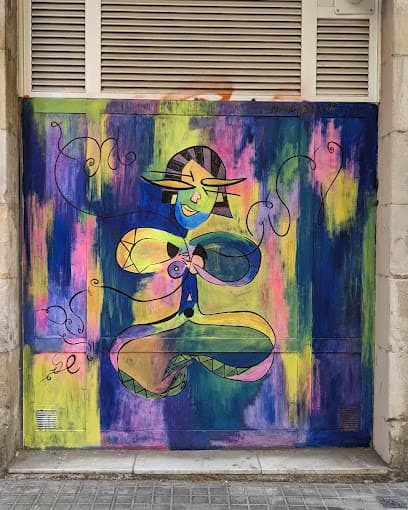
A raw, paint-splattered antidote to the sterile museum circuit. This is where pop-art meets the grit of the street, served straight from the artist’s hands in the heart of old Barcelona.
0.0(0)
Tourist attraction
Frequently Asked Questions
Is Plaça del Pi worth visiting?
Yes, it is one of the most atmospheric squares in the Gothic Quarter, offering a mix of 14th-century architecture, local artisan markets, and historic cafes without the overwhelming crowds of the Ramblas.
When is the artisan market at Plaça del Pi?
The Mercat de l'Artesania, featuring local honey, cheese, and crafts, typically takes place on the first and third weekend of every month, though schedules can vary during holidays.
Can you go inside the Santa Maria del Pi basilica?
Yes, the basilica is open to visitors for a small fee, which includes access to the church, the treasury, and the garden. You can also book a guided tour to climb the bell tower for panoramic views.
How do I get to Plaça del Pi?
The easiest way is to take the L3 Metro to the Liceu station. From there, it is a 2-minute walk through the narrow streets of the Gothic Quarter.
Reviews
0 reviews for Plaça del Pi
No reviews yet. Be the first to share your experience!