3.7
655 verified reviews
About
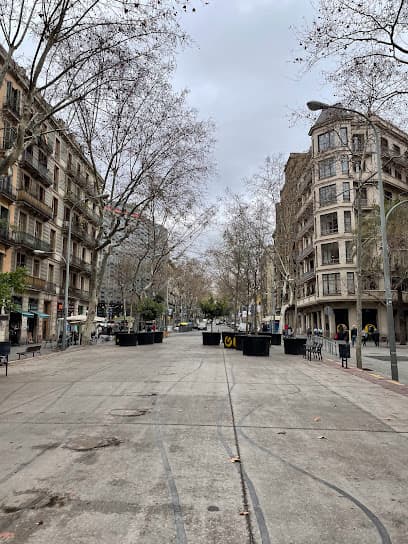
Barcelona isn’t all soaring cathedrals and whimsical Gaudí chimneys. Sometimes, it’s just a slab of pavement where the city’s gears grind together. Plaça del Pes de la Palla is exactly that—a triangular wedge of reality stuck between the gentrifying gloss of Sant Antoni and the beautiful, frantic mess of El Raval. It’s a borderland, a place where you can feel the tectonic plates of the city shifting under your feet.
The name itself, 'Weight of the Straw,' is a callback to a time when Barcelona was a walled fortress and everything coming in was taxed to the bone. This was the spot where the straw—essential for bedding, feed, and fuel—was weighed and the king took his cut. There’s something poetic about that. Centuries ago, men were sweating over bales of hay and tax ledgers; today, they’re sweating over cold Estrellas and the rising cost of rent. The taxman always gets his, one way or another.
Walking into the square from the Ronda de Sant Antoni, you aren't greeted by a 'must-see' monument. Instead, you get the visceral hum of a neighborhood in flux. You’ve got the old-school bars with their metal shutters and sun-faded awnings, where the coffee is strong enough to strip paint and the regulars look like they haven't moved since the 1992 Olympics. Then you’ve got the newer arrivals—the specialty coffee shops and the brunch spots creeping in from the Eixample side, bringing with them a different kind of tax.
The square is often dominated by terraces. Sitting here is a masterclass in Barcelona sociology. You’ll see the Raval’s immigrant heartbeat—kids playing football against stone walls, men speaking Urdu or Arabic over tea—clashing and blending with the local Catalan grandmothers hauling shopping trolleys from the nearby Mercat de Sant Antoni. It’s loud, it’s dusty, and during the heat of a July afternoon, it smells faintly of hot asphalt and fried tapas. It is, in other words, exactly what a city square should be: a shared living room for people who don’t have enough space in their own apartments.
Don't come here looking for a 'hidden gem' or a 'tranquil escape.' The Ronda de Sant Antoni, which borders the square, has been a site of urban warfare between planners and residents for years, transitioning from a bus-clogged artery to a pedestrianized experiment. The square reflects that uncertainty. It’s a bit rough around the edges. The benches might be occupied by someone sleeping off a long night, and the pigeons are more aggressive than the waiters.
But if you want to understand how Barcelona actually functions when the tourists aren't looking, grab a seat at one of the plastic tables. Order a vermut. Watch the light hit the weathered facades of the apartment blocks. There is a profound honesty in a place like this. It doesn't care if you like it. It doesn't have a gift shop. It’s just a place where the city stops to catch its breath before diving back into the narrow, dark alleys of the Raval. It’s a reminder that the best things to do in Barcelona often involve doing nothing at all, just sitting in the sun and watching the weight of the world go by.
Type
Park
Duration
30-45 minutes
Best Time
Late afternoon when the terraces are full and the neighborhood comes alive.
What People Say
bar(10)bank(6)tourist(5)price(5)market(4)trade(4)square(3)electronics(2)
Features
Park
Categories
HistoryUrban SquareLocal Culture
Ticket Prices
Free Admission
No tickets required
Opening Hours
- MondayOpen 24 hours
- TuesdayOpen 24 hours
- WednesdayOpen 24 hours
- ThursdayOpen 24 hours
- FridayOpen 24 hours
- SaturdayOpen 24 hours
- SundayOpen 24 hours
Must-See Highlights
The historic building facades bordering the Raval
The bustling terraces of local bars
The proximity to the modernist Mercat de Sant Antoni
Visitor Tips
Grab a coffee or beer at one of the local bars to truly soak in the atmosphere.
Combine a visit with a trip to the Sant Antoni Market for a full morning of local life.
Be mindful of your bags, as the square is a busy transitional thoroughfare.
Good For
Solo travelersHistory buffsBudget travelersPeople watching
Why Visit
Historic medieval tax site for the city's straw trade
Authentic border zone between the Raval and Sant Antoni districts
Prime local people-watching spot away from the main tourist trail
Nearby Landmarks
- Mercat de Sant Antoni (3-minute walk)
- MACBA - Museum of Contemporary Art (7-minute walk)
- Biblioteca de Catalunya (8-minute walk)
- Rambla del Raval (10-minute walk)
Accessibility
- Flat paved surface
- Wheelchair accessible square
- Accessible from Ronda de Sant Antoni
Location
Rda. de Sant Antoni, 33
Ciutat Vella, Barcelona
Nearby Hotels
Nearby Restaurants
In Ciutat Vella
ATTRACTION
Park
Ciutat Vella
A thousand years of silence tucked behind a Romanesque monastery, where the grit of El Raval dissolves into ancient stone, cool shadows, and the heavy weight of history.
0.0(0)
Park
ATTRACTION
BARSHELONA
Ciutat Vella
Forget the plastic bulls and tacky magnets. This is where Barcelona’s soul is bottled into art, a small sanctuary of local design hidden in the shadows of the Gothic Quarter.
0.0(0)
Tourist attraction
ATTRACTION
Minajoe art
Ciutat Vella
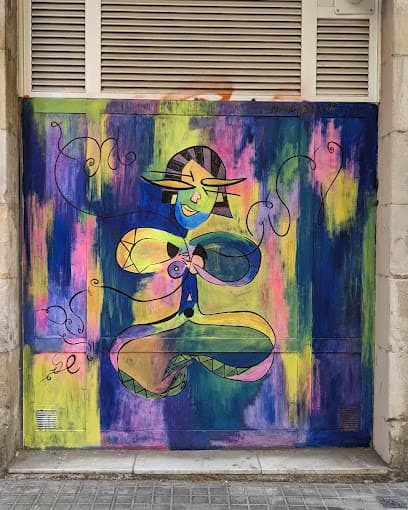
A raw, paint-splattered antidote to the sterile museum circuit. This is where pop-art meets the grit of the street, served straight from the artist’s hands in the heart of old Barcelona.
0.0(0)
Tourist attraction
Frequently Asked Questions
Is Plaça del Pes de la Palla worth visiting?
It is worth a stop if you want to see an authentic, non-touristy side of Barcelona. It’s a great spot for people-watching and experiencing the transition between the Raval and Sant Antoni neighborhoods.
What does 'Pes de la Palla' mean?
It translates to 'Weight of the Straw.' Historically, this square was the site where straw entering the city was weighed for tax purposes during the medieval period.
Is the area around Plaça del Pes de la Palla safe?
It is generally safe during the day, but like much of the Raval border, it can feel a bit gritty. Keep an eye on your belongings as pickpockets occasionally operate in crowded terrace areas.
Reviews
0 reviews for Plaça del Pes de la Palla
No reviews yet. Be the first to share your experience!