3.8
43 verified reviews
About
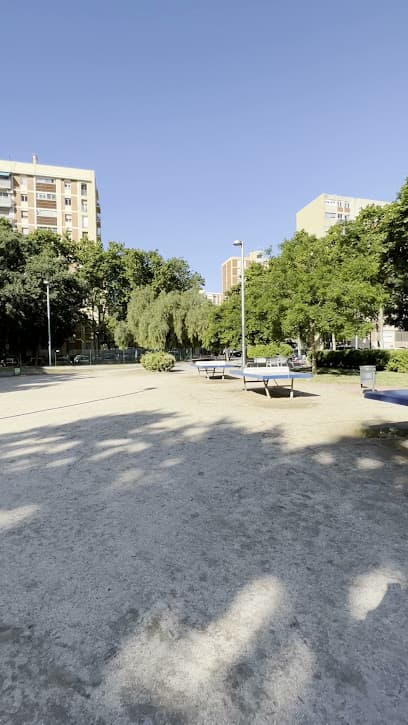
Barcelona is a city of masks. Most people come for the Gaudí-tinted fever dream, the Gothic Quarter’s stage-managed alleys, and the beach bars where the sangria is overpriced and the sun is the only thing that’s free. But if you want to see the city with its makeup off, you head to Sant Martí. You head to places like Plaça d'Eduard Torroja. This isn't a 'hidden gem'—I hate that phrase. It’s just a place. A functional, breathing, slightly worn-around-the-edges piece of urban reality that serves the people who actually live, work, and sweat in this city.
Named after Eduard Torroja, the legendary structural engineer who treated concrete like poetry, the plaza is a fitting tribute. It’s a landscape of utility. You won't find any wrought-iron flourishes or whimsical mosaics here. Instead, you get the honest geometry of the 1970s residential blocks that loom over the space like silent giants. This is the Barcelona that rose up during the late-century expansion—a city built for families, for workers, and for the messy business of everyday life. It’s a far cry from the hermetically sealed tourist zones of the center, and that’s exactly why it matters.
The heart of the plaza is the basketball court. It’s not a professional arena; it’s a patch of asphalt where the rhythm of the game provides the neighborhood’s soundtrack. The 'thwack' of the ball against the backboard, the squeak of sneakers, and the multilingual shouting of teenagers—this is the real music of the barrio. Around the edges, you’ll find the abuelos, the neighborhood elders, sitting on benches with the practiced stillness of people who have seen the city change a dozen times over. They aren't there to be part of a postcard; they’re there to watch the world go by, usually while critiquing the form of the kids on the court.
For those traveling with kids, the 'Area de joc infantil' is the main draw. It’s a standard-issue playground, but in a neighborhood like this, it’s a vital sanctuary. It’s where the local parents congregate to trade gossip while their children burn off energy on the slides. There’s a sense of community here that you simply cannot manufacture. It’s the kind of place where everyone seems to know everyone else’s business, for better or worse. It’s loud, it’s a little chaotic, and it smells like the city—a mix of exhaust, laundry detergent from the balconies above, and the faint salt of the Mediterranean carried on the wind.
Is Plaça d'Eduard Torroja 'worth it' in the traditional sense? If your idea of a good time is waiting in a three-hour line to see a cathedral, then no. Stay on the tour bus. But if you’re the kind of traveler who finds beauty in the mundane, who wants to understand the social fabric of a place, then this is a necessary stop. It’s a palate cleanser. It’s a reminder that Barcelona is a living organism, not just a museum.
Walk here from the Sant Martí metro station. Don't look for a gift shop; there isn't one. Just find a spot on a bench, maybe grab a cold can of beer from a nearby corner store, and watch the sun go down behind the high-rises. It’s not pretty in the way the guidebooks tell you things should be pretty, but it’s honest. And in a world of curated experiences and Instagram filters, honesty is the rarest thing you can find.
Type
Park
Duration
30-60 minutes
Best Time
Late afternoon when the basketball courts are active and the neighborhood comes alive.
What People Say
space(3)basketball(2)
Features
Park
Categories
PlaygroundSportsLocal Life
Ticket Prices
Free Admission
No tickets required
Must-See Highlights
The central basketball court
The children's play area
The surrounding mid-century residential architecture
Visitor Tips
Don't expect tourist facilities; this is a local residential square.
Visit the nearby Biblioteca Gabriel García Márquez, which won World Building of the Year.
Great spot for a quiet sit-down if you're walking through the Sant Martí district.
Good For
FamiliesBudget travelersArchitecture enthusiastsLocal life seekers
Why Visit
Unfiltered local atmosphere far from the tourist crowds
Active community basketball court used by neighborhood youth
A tribute to the engineering legacy of Eduard Torroja
Nearby Landmarks
- 10-minute walk from Parc de Sant Martí
- 12-minute walk from Biblioteca Gabriel García Márquez
- 10-minute walk from Mercat de Sant Martí
Accessibility
- Flat paved surfaces
- Accessible playground equipment
- Street-level entry
Location
Pl. d'Eduard Torroja
Sant Martí, Barcelona
Nearby Hotels
Nearby Restaurants
In Sant Martí
ATTRACTION
LOS CERDINS HOUSE
Sant Martí
A raw, repurposed industrial relic in the heart of Sant Martí, Los Cerdins House is a testament to the neighborhood's manufacturing soul, where red-brick history meets the sharp, creative edge of modern Barcelona.
0.0(0)
Tourist attraction
ATTRACTION
Pista de frontó
Sant Martí
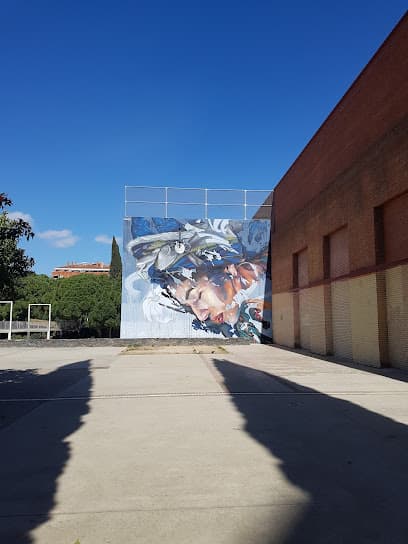
A sun-baked slab of concrete where the rhythmic thwack of a ball against stone serves as the soundtrack to a neighborhood still clinging to its gritty, industrial Poblenou soul.
0.0(0)
Park
ATTRACTION
Saraya Express
Sant Martí
A specialized travel outpost tucked away in Sant Martí. Saraya Express is where the logistics of a trip to Cairo meet the grit of Barcelona’s daily grind, far from the tourist-trap fluff.
0.0(0)
Tourist attraction
Frequently Asked Questions
Is Plaça d'Eduard Torroja worth visiting?
Only if you want to see a non-touristy, residential side of Barcelona. It's a local neighborhood square with a basketball court and playground, not a major historical landmark.
What should I do at Plaça d'Eduard Torroja?
It's best for a quick break if you're exploring Sant Martí. You can watch local basketball games, let kids play at the playground, or simply sit and observe the local neighborhood life.
How do I get to Plaça d'Eduard Torroja?
The easiest way is taking the Metro Line 2 (Purple) to the Sant Martí station. From there, it's about a 10-minute walk through the residential streets of the district.
Reviews
0 reviews for Plaça d'Eduard Torroja
No reviews yet. Be the first to share your experience!