4.0
264 verified reviews
About
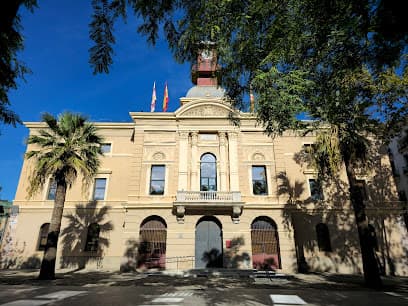
If you walk up the Rambla del Poblenou long enough, past the artisanal gelato shops and the terraces full of people drinking Aperol Spritz, the scenery starts to change. The air gets a little thicker with the smell of real life—burnt espresso, diesel exhaust, and the faint, metallic tang of a neighborhood that used to be the 'Manchester of Catalonia.' This is where you find the Plaça de Valentí Almirall. It’s not a place designed for your Instagram feed, and that is exactly why it matters. It’s the civic living room of the Sant Martí district, a place where the city actually functions, grinds, and occasionally celebrates.\n\nDominating the square is the Seu del Districte de Sant Martí, or 'Ca la Vila.' This isn't some glass-and-steel monstrosity from the @22 tech era. This is a 19th-century statement of industrial pride. Built in 1889, it was designed by Pere Falqués i Urpí—the same man who gave Passeig de Gràcia its iconic trencadís lamp posts. Here, Falqués wasn't trying to show off for the bourgeoisie; he was building a house for the people. The facade is a mix of neoclassical and eclectic styles, featuring a clock tower that has been keeping time for the neighborhood since before the first factory chimney stopped smoking. Look closely at the facade and you’ll see allegorical motifs dedicated to industry and agriculture—the two pillars that built this part of Barcelona.\n\nIn the center of the square sits a fountain that looks like it’s seen a few things. It’s a cast-iron piece with five lamps, another Falqués special, though some credit Antoni Rovira i Trias. It’s the kind of place where pigeons congregate with more purpose than the tourists. On any given morning, the square is a hive of low-stakes drama. You’ve got civil servants rushing into the Oficina d'Atenció Ciutadana (OAC) with stacks of paperwork, couples waiting to get married in the ornate halls upstairs, and old men who have lived in Poblenou since the days of the textile mills sitting on the benches, dissecting the latest FC Barcelona disaster. It’s clean, it’s functional, and it’s unvarnished.\n\nThe square is named after Valentí Almirall, the father of modern Catalanism. It’s a fitting tribute. Almirall was a man who believed in the identity of the people, and this square is where that identity is most visible. While the lower end of the Rambla has been polished for the visitors, this end remains stubbornly local. The terraces here aren't serving overpriced 'paella for two' kits; they’re serving bitter coffee and cold beer to people who live three doors down. There’s a certain melancholy to the place, a reminder of the industrial past that’s being slowly paved over by co-working spaces and boutique hotels.\n\nIs it worth the walk? If you want to see the 'real' Barcelona—the one that doesn't care if you like it or not—then yes. It’s a place to sit, breathe, and realize that a city is more than just its monuments. It’s a collection of neighborhoods, and this square is the anchor for one of the most resilient ones in the city. Come for the architecture, stay for the people-watching, and leave with a better understanding of what makes Sant Martí tick. It’s not a postcard; it’s a pulse. And in a city that’s increasingly becoming a theme park, a pulse is a hard thing to find.
Type
Park
Duration
30-45 minutes
Best Time
Morning to see the civic buzz or late afternoon for a coffee on a local terrace.
What People Say
ayuntamiento(12)terrace(3)cafe(2)traffic(2)clean(2)
Features
Park
Categories
ArchitectureHistoryLocal LifePark
Ticket Prices
Free Admission
No tickets required
Opening Hours
- MondayOpen 24 hours
- TuesdayOpen 24 hours
- WednesdayOpen 24 hours
- ThursdayOpen 24 hours
- FridayOpen 24 hours
- SaturdayOpen 24 hours
- SundayOpen 24 hours
Must-See Highlights
The clock tower of the Seu del Districte building
The allegorical motifs of industry and agriculture on the facade
The cast-iron fountain with five lamps in the center of the square
Visitor Tips
Don't just pass through; grab a seat at one of the local cafes to watch the neighborhood life unfold.
Check the building's interior if it's open for administrative hours; the staircase and main hall are impressive.
Good For
Architecture enthusiastsSlow travelersHistory buffsLocals
Why Visit
The 'Ca la Vila' building, a masterpiece of 19th-century civic architecture by Pere Falqués.
A genuine local atmosphere far removed from the typical tourist circuits of the city center.
The historic clock tower and the Falqués-designed fountain with five lamps.
Nearby Landmarks
- 15-minute walk from Casino de l'Aliança del Poblenou
- 10-minute walk from Can Framis Museum
- 15-minute walk from Poblenou Cemetery
- 15-minute walk from Bogatell Beach
Accessibility
- Wheelchair accessible
- Flat terrain
- Accessible public transport nearby
Location
Rambla del Poblenou, 186
Sant Martí, Barcelona
Nearby Hotels
Nearby Restaurants
In Sant Martí
ATTRACTION
LOS CERDINS HOUSE
Sant Martí
A raw, repurposed industrial relic in the heart of Sant Martí, Los Cerdins House is a testament to the neighborhood's manufacturing soul, where red-brick history meets the sharp, creative edge of modern Barcelona.
0.0(0)
Tourist attraction
ATTRACTION
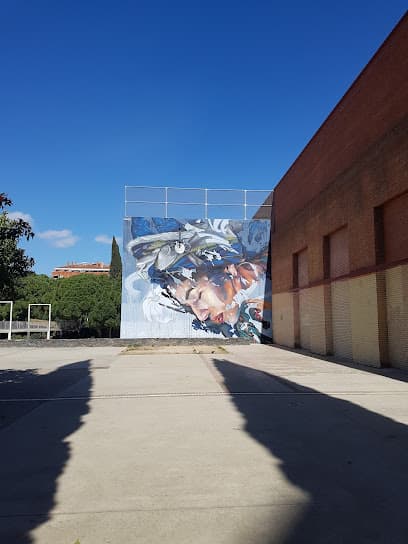
Pista de frontó
Sant Martí
A sun-baked slab of concrete where the rhythmic thwack of a ball against stone serves as the soundtrack to a neighborhood still clinging to its gritty, industrial Poblenou soul.
0.0(0)
Park
ATTRACTION
Saraya Express
Sant Martí
A specialized travel outpost tucked away in Sant Martí. Saraya Express is where the logistics of a trip to Cairo meet the grit of Barcelona’s daily grind, far from the tourist-trap fluff.
0.0(0)
Tourist attraction
Frequently Asked Questions
Is Plaça de Valentí Almirall worth visiting?
Yes, especially if you appreciate 19th-century architecture and want to see a non-touristy, local side of Barcelona. The 'Ca la Vila' building is a highlight for architecture buffs.
What is the main attraction in the square?
The main attraction is the Seu del Districte de Sant Martí (Ca la Vila), a historic administrative building designed by Pere Falqués, featuring a beautiful clock tower and a classic iron fountain.
How do I get to Plaça de Valentí Almirall?
The square is located at the top of Rambla del Poblenou. You can take the Metro L4 to the Llacuna or Poblenou stations and walk about 10 minutes.
Are there places to eat near the square?
Yes, the square is surrounded by local cafes and terraces. For a more substantial meal, the Rambla del Poblenou offers dozens of restaurants within a 5-minute walk.
Reviews
0 reviews for Plaça de Valentí Almirall
No reviews yet. Be the first to share your experience!